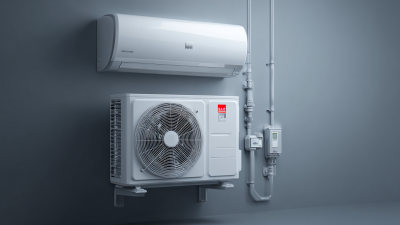
Top Benefits of Ductless Heat and Air Systems in 2025
As we move into 2025, the demand for efficient and flexible heating and cooling solutions continues to rise. Among the myriad of options available, ductless heat and air systems are emerging as a top choice for homeowners and businesses alike. These systems not only offer significant energy savings but also provide customizable comfort that traditional ducted systems struggle to match. With advancements in technology, the benefits of ductless heat and air systems are more pronounced than ever, making them an attractive option for modern living.
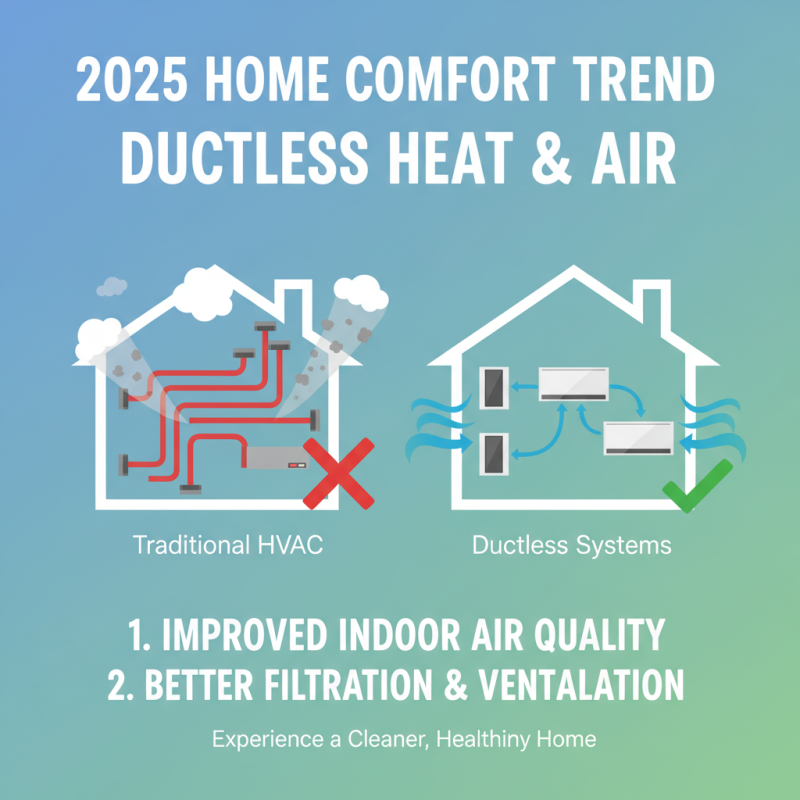
One of the primary advantages of ductless heat and air is their ability to deliver targeted climate control. Unlike conventional HVAC systems that rely on ductwork to distribute air throughout a space, ductless systems consist of individual units that can be installed in different zones, allowing for personalized temperature adjustments. This zoned heating and cooling capability translates into enhanced comfort while reducing overall energy consumption. Additionally, the absence of ductwork means that homeowners can avoid the inefficiencies and potential pollutants associated with traditional systems.
Moreover, ductless heat and air systems contribute to improved indoor air quality and a reduction in energy bills. With no ducts to accumulate dust, allergens, and other contaminants, these systems promote a healthier living environment. As energy efficiency becomes a crucial factor in home improvement decisions, the ability of ductless systems to operate with minimal energy waste solidifies their position as a smart investment. As we embrace the future of home comfort, ductless heat and air systems undoubtedly stand out as a leading solution for sustainable and efficient living.
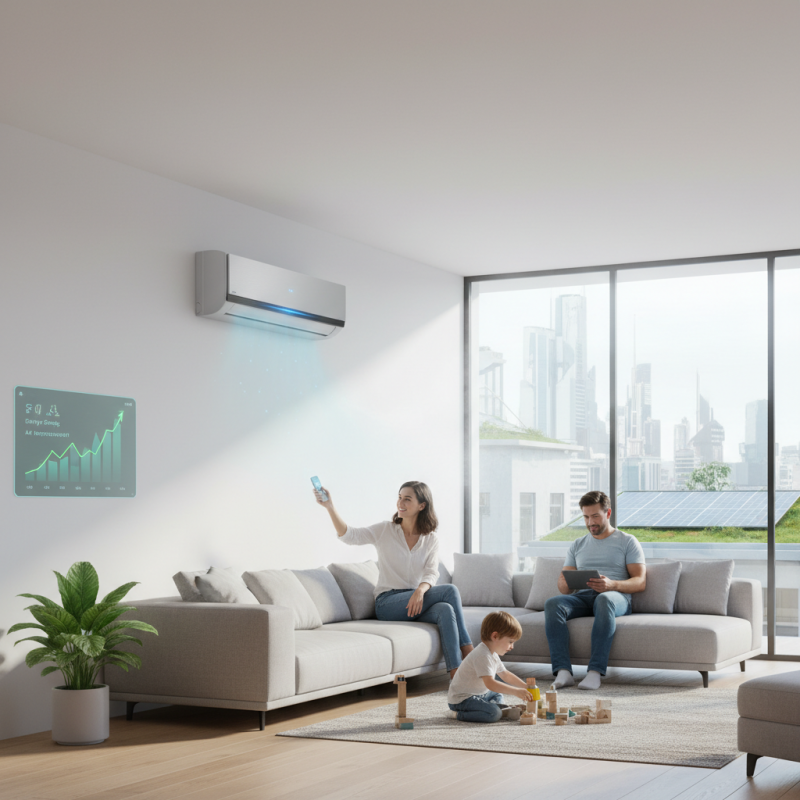
Advantages of Energy Efficiency in Ductless Heat and Air Systems
Ductless heat and air systems have emerged as a leading choice for homeowners seeking energy efficiency in their heating and cooling solutions. One of the significant advantages of these systems is their ability to provide targeted climate control. Unlike traditional HVAC systems that rely on ductwork, ductless units use individual air handlers for different rooms or areas, allowing for customized comfort and reduced energy consumption. By maintaining a consistent temperature in only the spaces that are actively used, homeowners can significantly lower their energy bills while simultaneously reducing their carbon footprint.
Additionally, ductless systems often utilize inverter technology, which adjusts the cooling and heating output based on the specific requirements of the space. This approach not only enhances energy efficiency but also minimizes wear and tear on the system, extending its lifespan. The lack of ductwork means that there are fewer energy losses associated with airflow, which is a common issue in conventional systems. This innovation translates into improved indoor air quality as well, as there is less opportunity for dust and allergens to circulate through the home. With ongoing advancements and rising awareness of energy efficiency, ductless heat and air systems are quickly becoming an environmentally friendly choice for modern households.
Top Benefits of Ductless Heat and Air Systems in 2025
| Benefit |
Description |
Energy Efficiency Rating |
Cost Savings (%) |
| Energy Efficiency |
Utilizes inverter technology to adjust energy consumption based on demand. |
Up to 30 SEER |
20%-50% |
| Zoning Capabilities |
Offers customizable heating and cooling for individual rooms or zones. |
N/A |
Varies by zone |
| Improved Indoor Air Quality |
Filters out allergens and contaminants, providing cleaner air. |
N/A |
Indirect savings through health benefits |
| Quiet Operation |
Designed to operate quietly, enhancing comfort without noise disturbance. |
N/A |
N/A |
| Easy Installation |
Requires no ductwork, reducing installation time and complexity. |
N/A |
N/A |
Improved Indoor Air Quality with Ductless Systems
Ductless heat and air systems have gained significant popularity in 2025, primarily due to their ability to enhance indoor air quality. Unlike traditional HVAC systems, which circulate air through ductwork that can harbor dust, allergens, and other pollutants, ductless systems operate through individual units placed throughout the home. This design allows for better filtration and improved ventilation, directly addressing concerns about air quality.
Furthermore, most ductless systems come equipped with advanced filtration technologies that trap microscopic particles. This is particularly beneficial for individuals with respiratory issues or allergies, as cleaner air reduces the risk of triggering symptoms. These systems not only promote healthier living environments but also offer customizable climate control, allowing homeowners to adjust temperatures and air quality in specific areas according to their needs. As such, ductless systems stand out as an effective solution for maintaining a clean indoor atmosphere while providing flexibility and efficiency.
Flexibility and Zone Control Benefits of Ductless Heating and Cooling
Ductless heat and air systems are gaining popularity in 2025, particularly for their flexibility and zone control benefits. Unlike traditional HVAC systems, ductless models allow for tailored climate control in individual areas of a home or business. This means that occupants can adjust the temperature in specific zones, enhancing comfort and efficiency. For instance, if one room is used more frequently than others, it can be heated or cooled independently, saving energy and reducing utility bills.
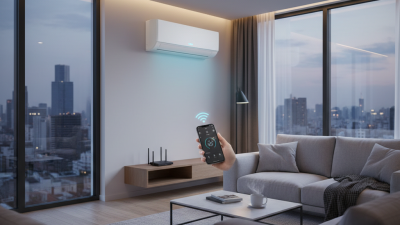
When considering a ductless system, it's important to assess the layout of your space for maximum benefit. One tip is to identify which rooms are most utilized and prioritize those areas for installation. Additionally, investing in smart thermostats can further optimize energy use and provide more convenience. Homeowners should also take into account the potential for future needs; ductless systems can easily be expanded to accommodate new spaces or shifts in how rooms are used.
Another advantage of ductless systems is their relatively easy installation process. Without the need for ductwork, installation can often be completed in just a day or two, minimizing disruptions to your living environment. Keeping maintenance in mind, regular cleaning of the filters and scheduling professional check-ups can prolong the lifespan and efficiency of your ductless system. This proactive approach ensures that each zone operates at its best, contributing to overall comfort and energy savings.
Easy Installation and Maintenance of Ductless HVAC Solutions
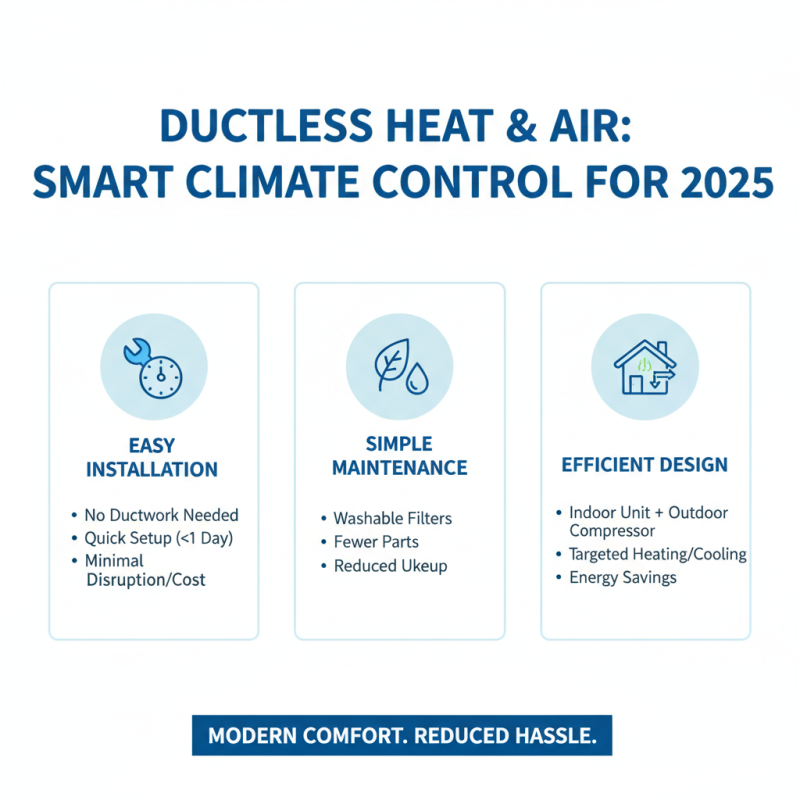
The ease of installation and maintenance associated with ductless heat and air systems make them an appealing choice for homeowners and business operators in 2025. Unlike traditional HVAC systems that require extensive ductwork, ductless solutions consist of a small indoor unit and an outdoor compressor. This streamlined design allows for a quick and straightforward installation process, often completed in less than a day. Since there is no need to construct ductwork, homeowners can avoid the considerable disruption typically associated with renovations and the associated costs.
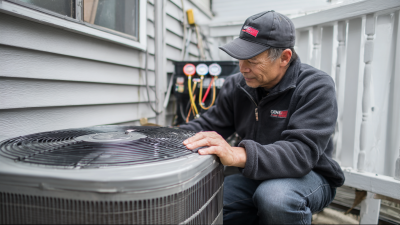
In addition to their simple installation, ductless HVAC solutions offer significant advantages in terms of maintenance. With fewer components than conventional systems, they require less frequent servicing. Homeowners can take advantage of user-friendly features, such as filters that are easy to access and clean, prolonging the unit's lifespan and maintaining efficient performance. By minimizing the need for specialist intervention, ductless systems empower users to take better control of their indoor climate, making them a practical choice in today’s fast-paced environment.
Cost Savings: Long-Term Financial Benefits of Ductless Systems
Ductless heat and air systems are rapidly gaining attention for their long-term financial benefits, particularly as we navigate the landscape of 2025. One of the most compelling advantages is their energy efficiency. According to the U.S. Department of Energy, ductless systems can achieve efficiencies of up to 30% higher than traditional HVAC systems. This means that homeowners can significantly reduce their energy bills while enjoying enhanced comfort. This level of efficiency not only helps in conserving electricity but also translates to lower monthly expenses over the heating and cooling seasons.
Moreover, the upfront installation costs of ductless systems can be offset by the substantial long-term savings on energy and maintenance. A study by the Energy Efficiency Program suggests that homeowners can save an average of 20-50% on their heating and cooling costs with ductless systems over a 10-year span. Additionally, these systems often require less maintenance than traditional ducted systems, leading to even more cost savings. With these systems also having longer lifespans—often exceeding 20 years—homeowners can enjoy prolonged savings. In essence, the investment in ductless technology not only promises immediate comfort but also ensures financial benefits that accumulate over time, fostering a smarter, more economical approach to home climate control.
Cost Savings: Long-Term Financial Benefits of Ductless Systems