Top Benefits of Mini Split Heat Pumps for Home Heating?
As homeowners seek efficient heating solutions, the mini split heat pump gains attention. According to the U.S. Department of Energy, these systems can reduce energy costs by up to 30%. This makes them a smart choice for those looking to save money and energy.
Industry expert John Smith, a leading HVAC consultant, states, "Mini split heat pumps provide unparalleled comfort and efficiency." His insights reflect a growing trend in home heating. These systems not only manage temperatures effectively but also operate quietly and are easy to install. The compact design allows for versatility in placement, making them versatile for various home layouts.
However, potential buyers should consider installation costs and whether their home’s insulation meets the system's needs. A mini split heat pump can be a fantastic investment, but it requires careful planning and consideration. By understanding the implications, homeowners can fully appreciate the numerous benefits these systems offer.
Understanding Mini Split Heat Pumps: An Overview
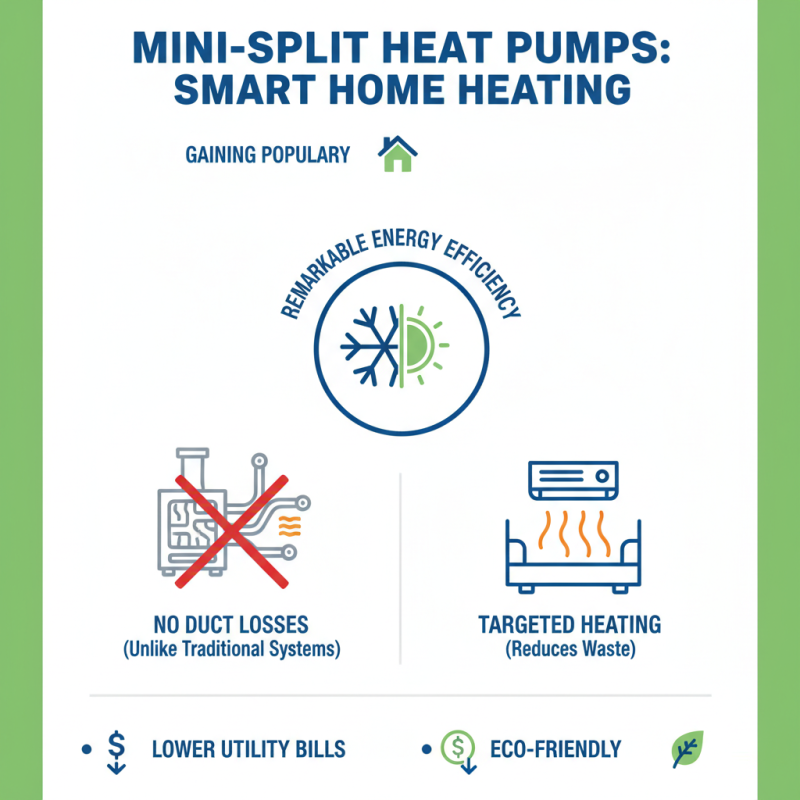
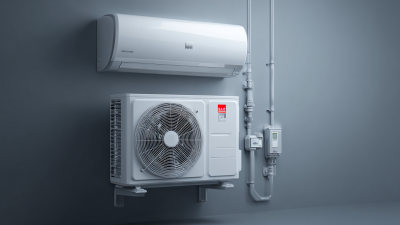
Mini split heat pumps are becoming increasingly popular for home heating. They consist of an outdoor unit and one or more indoor units. This setup allows for efficient heating and cooling throughout your space. One key benefit is the ability to zone heat. You can control the temperature in each room individually. This isn’t just efficient; it can also lead to noticeable savings on energy bills.
When considering installation, careful planning is crucial. Think about where you place your indoor units. Each unit should be strategically located to maximize airflow and heating effectiveness. If you install a unit too close to a corner, it might not perform well. The outdoor unit should also be placed where it won’t be obstructed by snow or leaves.
Tips: Regular maintenance is essential for optimal performance. Clean filters and check the outdoor unit regularly. This keeps everything running smoothly. Another tip is to use a programmable thermostat. It helps maintain your preferred temperature levels and reduces energy waste. Make sure to consider these aspects to fully enjoy the benefits of mini split heat pumps.
Top Benefits of Mini Split Heat Pumps for Home Heating
| Benefit |
Description |
Energy Efficiency (%) |
Cost-Effectiveness |
| Energy Efficiency |
Mini split heat pumps can achieve high SEER (Seasonal Energy Efficiency Ratio) ratings, lowering energy bills. |
Up to 30% more efficient than traditional heating systems |
Lower long-term costs |
| Zoned Heating |
Allows homeowners to heat specific areas of the home independently. |
N/A |
Reduces energy waste |
| Easy Installation |
Installation is simpler and less invasive than traditional duct systems. |
N/A |
Lower installation costs |
| Year-Round Comfort |
Many mini splits also provide cooling in the summer, making them versatile for all seasons. |
N/A |
Reduced need for separate cooling systems |
| Quiet Operation |
These systems operate more quietly than traditional HVAC systems, enhancing comfort. |
N/A |
Improved home environment |
Cost-Effectiveness: Financial Benefits of Mini Split Systems
Mini split heat pumps are gaining popularity for home heating. Their cost-effectiveness stands out, especially in fluctuating energy markets. Many homeowners are drawn to their ability to provide year-round comfort without the hefty price tag associated with traditional heating systems. Compared to conventional systems, mini splits often require less energy. This leads to lower utility bills, adding to long-term savings.
Installation can be less invasive too. Mini splits don’t rely on ductwork, which can be expensive to install or maintain. Yet, initial installation costs might seem daunting. Homeowners might hesitate. However, over time, the savings typically outweigh those upfront costs. Energy efficiency ratings are often high, which can result in tax credits or rebates. This can alleviate some financial burdens, making it an appealing option.
Many users might overlook ongoing maintenance. While mini split systems are generally low-maintenance, neglect can lead to inefficiencies. Regular cleaning and occasional servicing are still required. This is an important aspect not to ignore. Awareness of these details can help maximize savings while enjoying the benefits of an efficient heating system.
Top Benefits of Mini Split Heat Pumps for Home Heating
Mini split heat pumps offer significant financial benefits for home heating, including energy savings of up to 30%, a moderate installation cost, lower annual maintenance expenses, and a long lifespan of approximately 20 years. This chart illustrates these advantages, making the mini split system a cost-effective choice for homeowners.
Versatility in Home Heating: Customized Comfort with Mini Splits
Mini split heat pumps offer remarkable versatility in home heating. They provide customized comfort tailored to the needs of each room. With individual zones, different settings can be used for bedrooms, living rooms, and kitchens. It’s like having a personal heating system for each area. This can lead to better energy efficiency and lower utility bills.
Installation can be a bit tricky. Many homeowners feel overwhelmed by the process. Proper placement is key for effectiveness. If installed incorrectly, some areas might still feel cold. Additionally, while they are generally quieter than traditional systems, noise levels can vary. This can be a factor to consider, especially in quiet spaces.
Mini splits can also serve as air conditioners in warmer months. This dual functionality increases their appeal. However, some users may find the aesthetics of wall-mounted units unappealing. Finding a balance between design and functionality can be challenging. Overall, mini split heat pumps present a flexible option for modern homes, but careful planning is essential.
Installation and Maintenance Considerations for Mini Split Heat Pumps
When considering mini split heat pumps for home heating, installation and maintenance are key factors.
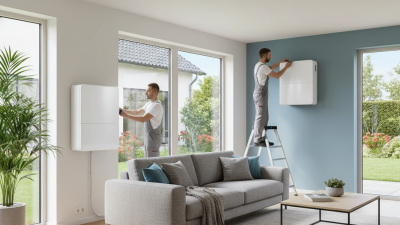
Proper installation is crucial for optimal performance. An incorrectly installed system may lead to reduced efficiency. According to a report by the U.S. Department of Energy, improper installation can decrease efficiency by up to 30%. Thus, ensuring a qualified technician handles the installation is vital.
Maintenance also plays an important role. Routine checks should not be overlooked. It's recommended to clean or replace air filters approximately every month. Neglecting this can cause decreased airflow and higher energy costs. A study from the Air Conditioning Contractors of America revealed that regular maintenance can improve efficiency by 15-20%. However, many homeowners forget about this, leading to long-term consequences.
With potential challenges in installation and maintenance, it's important to weigh the pros and cons. While mini split systems offer great benefits like zone heating, they require attention to detail. Small errors in installation or maintenance can lead to significant inefficiencies. Evaluating these factors carefully will help maximize the advantages of mini split heat pumps.