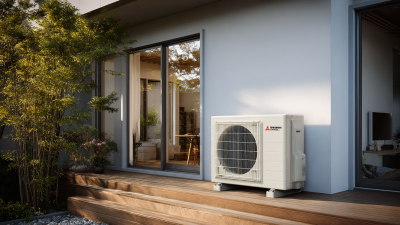
Top 5 Benefits of Split Heating and Cooling Systems for Your Home
In recent years, the demand for energy-efficient climate control solutions has surged, leading homeowners to explore various options to maintain comfort and reduce operational costs. Among these solutions, split heating and cooling systems have emerged as a popular choice due to their numerous advantages. According to the U.S. Department of Energy, homeowners can save up to 30% on their energy bills by switching to these systems, which use advanced technology to optimize performance and minimize energy use.
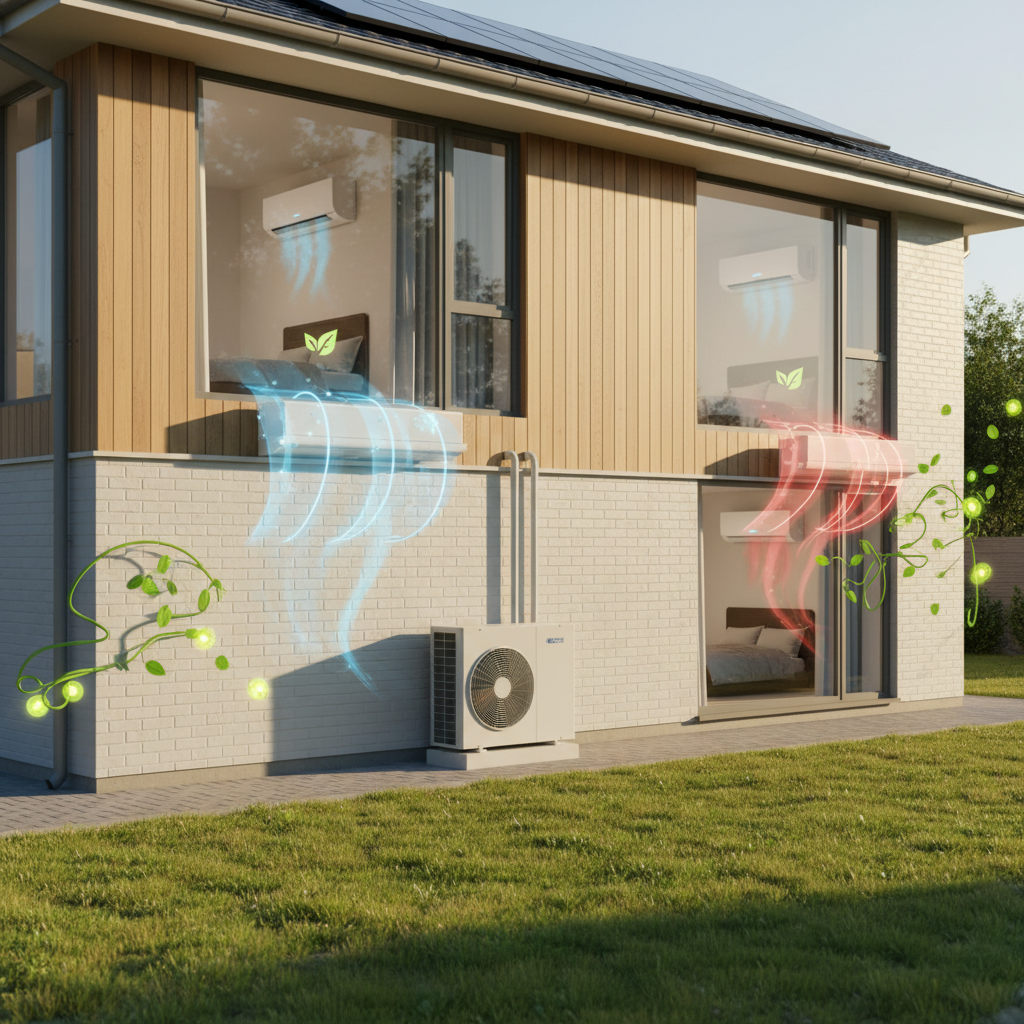
Expert in HVAC systems, Dr. Emily Hart, emphasizes the growing appeal of split heating and cooling by stating, "The flexibility and efficiency of split systems not only enhance home comfort but also present significant cost savings, making them an investment worth considering."
These systems allow for zoned heating and cooling, enabling homeowners to manage individual room temperatures more effectively, which is essential in achieving energy efficiency and personalized comfort. As seasonal changes disrupt indoor climates across the country, understanding the benefits of split heating and cooling can empower homeowners to make informed decisions about their home’s HVAC needs.
Benefits of Energy Efficiency in Split Heating and Cooling Systems
Split heating and cooling systems offer significant advantages, particularly in terms of energy efficiency. Unlike traditional HVAC systems that often operate on a centralized model, split systems allow for localized heating and cooling, which means that energy is used only where it's needed. This targeted approach reduces energy waste and can lead to lower utility bills, making it an economically savvy choice for homeowners looking to save money in the long run.
Another benefit of energy efficiency in split systems is the potential for environmentally friendly home comfort. By consuming less energy, these systems contribute to a reduction in greenhouse gas emissions, fostering a more sustainable living environment. Additionally, many split systems utilize advanced technology, such as inverter-driven compressors, that adapt their output to current needs, further enhancing efficiency. Such innovations not only support environmental goals but also improve the overall performance and longevity of the system, making split heating and cooling an ideal choice for the modern home.
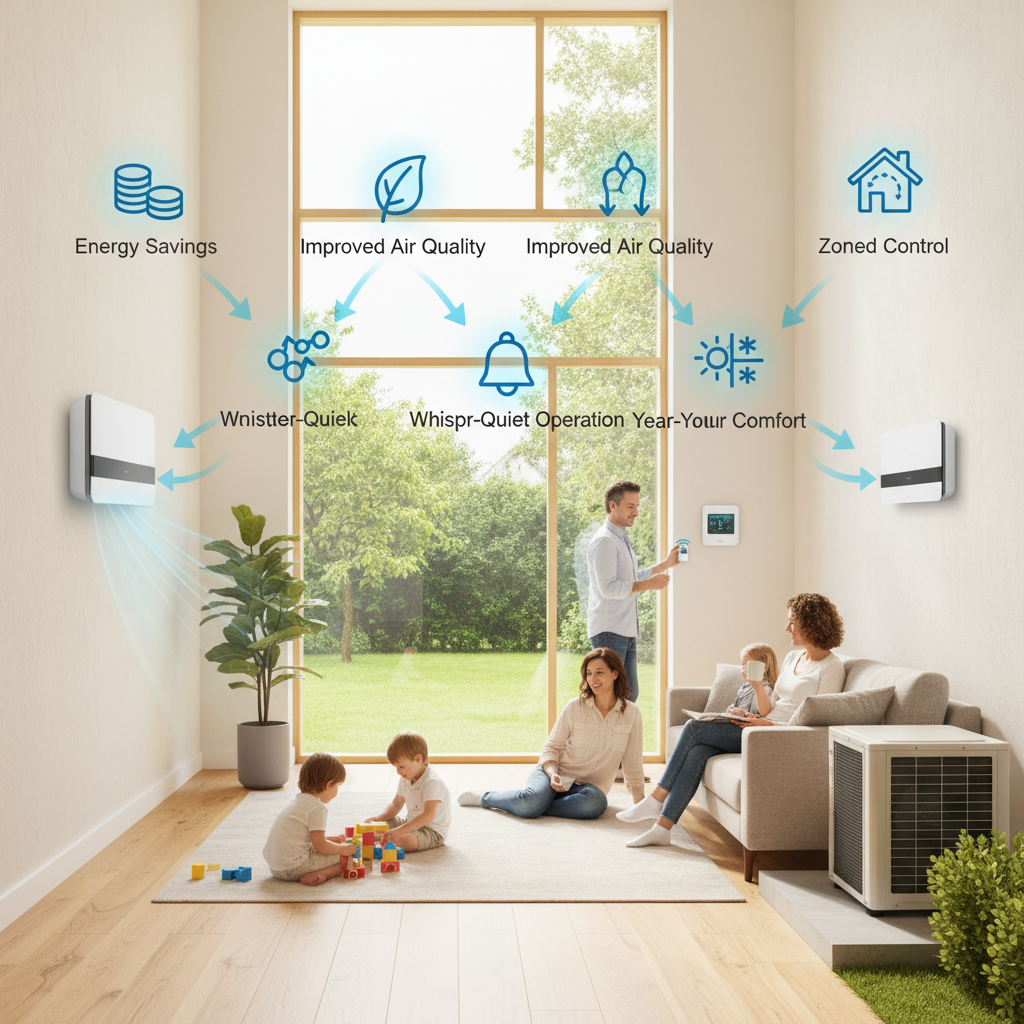
Improved Air Quality Through Advanced Filtration Technology
Advanced filtration technology in split heating and cooling systems plays a crucial role in improving
indoor air quality, making these systems a valuable addition to any home.
According to the Environmental Protection Agency (EPA), indoor air can be up to five times more polluted than outdoor air,
primarily due to dust, allergens, and volatile organic compounds (VOCs).
Split systems equipped with advanced HEPA filters can capture up to 99.97% of airborne particles,
significantly reducing pollutants and promoting a healthier living environment.
Furthermore, the integration of smart filtration features allows homeowners to monitor and optimize air quality actively.
Reports from the American Society of Heating, Refrigerating and Air-Conditioning Engineers (ASHRAE) indicate that regular maintenance
and the use of high-efficiency filters can lower allergens like pollen
and pet dander by as much as 50%.
This reduction is vital for individuals with respiratory conditions such as asthma or allergies,
paving the way for safer and more comfortable indoor living spaces. Ultimately, investing in a
split heating and cooling system with advanced filtration technology not only enhances comfort
but also stands as a proactive measure toward maintaining a
healthier home environment.
Zoned Temperature Control for Customized Comfort
 Zoned temperature control is one of the standout features of split heating and cooling systems, offering homeowners a level of customization that traditional systems often lack. By dividing a home into different zones, these systems allow for precise temperature adjustments in each area. This means that family members can enjoy their preferred climate without affecting others, enhancing overall comfort throughout the home.
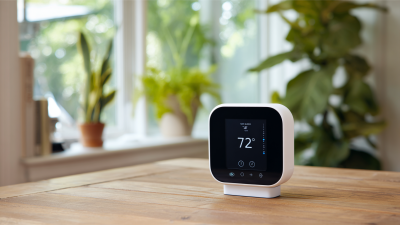
Moreover, zoned temperature control can lead to significant energy savings. Homeowners can avoid heating or cooling unused spaces, reducing energy consumption and lowering utility bills. With smart thermostats integrated into these systems, users can program schedules or adjust temperatures remotely, ensuring that energy is used efficiently while maintaining their desired comfort levels. This flexibility not only contributes to a more tailored living experience but also promotes sustainable energy practices in daily life.
Reduced Noise Levels Compared to Traditional HVAC Units
One of the standout benefits of split heating and cooling systems is their significantly reduced noise levels compared to traditional HVAC units. Conventional systems often rely on large outdoor compressors and extensive ductwork, which can create a considerable amount of operating sound.
In contrast, split systems utilize quieter indoor units that are strategically placed throughout the home, leading to a more tranquil living environment. This reduction in noise pollution is especially beneficial for bedrooms, home offices, and other spaces where peace and quiet are essential.
Moreover, the design of split systems allows for better sound insulation. The outdoor compressor unit is located away from the living areas, while the indoor units are engineered to operate silently. This means homeowners can enjoy the comfort of a controlled climate without the disruptive hum typically associated with traditional systems.
As noise levels decrease, residents can experience enhanced relaxation and focus, making split heating and cooling systems a superior choice for modern households looking to prioritize comfort without sacrificing tranquility.
Simplified Installation and Maintenance Processes
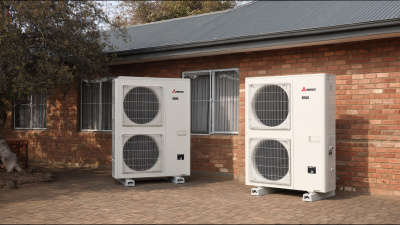
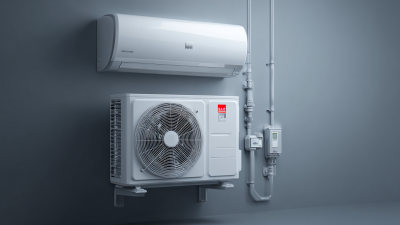
Split heating and cooling systems are becoming increasingly popular among homeowners due to their user-friendly installation and maintenance processes. Unlike traditional systems that often require extensive ductwork, split systems consist of two main components: an indoor unit and an outdoor unit. This design allows for more straightforward installation, as the indoor unit can be mounted on walls, freeing up space and minimizing disruption during the setup. Homeowners can usually expect a quicker installation period and less structural modifications, making it an attractive option for both new builds and retrofits.
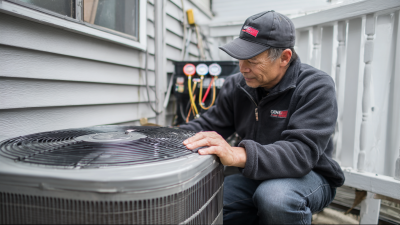
Maintenance of split systems is also simplified, contributing to their appeal. With separate units to manage, accessing the components for routine checks and repairs becomes more straightforward. The removable filters in the indoor unit can be cleaned or replaced easily, promoting efficient airflow and better air quality. Additionally, many systems come equipped with self-diagnostic features, allowing homeowners to monitor performance and identify issues before they escalate. This user-friendly approach not only saves time and effort but also fosters peace of mind, knowing that system upkeep is less burdensome.
Top 5 Benefits of Split Heating and Cooling Systems for Your Home