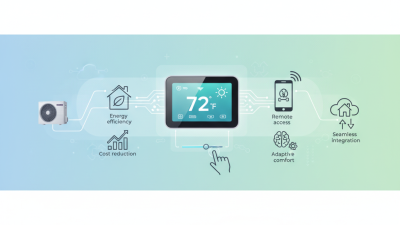
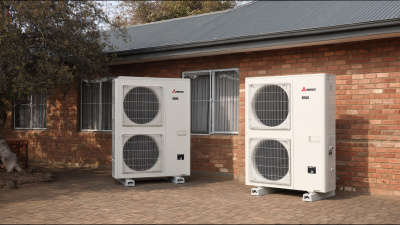
Ductless HVAC systems have gained popularity for their efficiency and flexibility in home heating and cooling. According to the U.S. Department of Energy, homes with ductless systems can save 30% on energy bills compared to traditional systems. This reduction is crucial as energy costs continue to rise. Industry expert Maria Sanchez states, “Ductless systems are revolutionizing climate control, offering personalized comfort in every room.”
These systems eliminate ductwork, making them ideal for retrofits. They are smaller and easy to install, enhancing their appeal. However, not every homeowner may fully understand the long-term benefits of a ductless HVAC system. When choosing a system, it is essential to consider factors like climate, home size, and efficiency ratings. Although many homeowners are knowledgeable about traditional units, ductless systems can still be a mystery.
Choosing the right system requires careful assessment. Some might overlook maintenance needs or installation complexities. Despite the advantages, ductless HVAC systems may not be the best fit for everyone. Homeowners can benefit from consulting HVAC professionals for tailored advice. In conclusion, understanding these systems can lead to more informed decisions and sustainable comfort in homes.
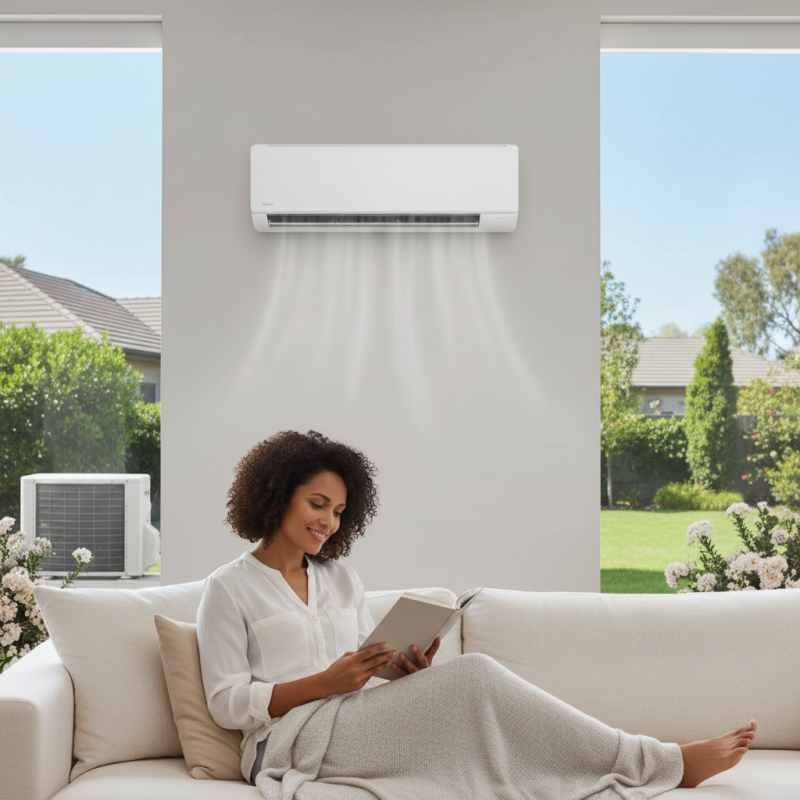
When selecting a ductless HVAC system, several factors are crucial. Energy efficiency is a primary concern. Systems with a high Seasonal Energy Efficiency Ratio (SEER) can save homeowners up to 30% on energy bills. A SEER rating above 20 is considered excellent. It's essential to look for models that fit your specific climate. Some systems perform better in high humidity areas, while others excel in dry climates.
Sizing is another critical element. An oversized system can lead to energy waste and poor humidity control. Alternatively, an undersized system struggles to maintain comfort levels. Accurate load calculations, typically performed by professionals, help in making the right choice. According to the American Society of Heating, Refrigerating and Air-Conditioning Engineers (ASHRAE), proper sizing is vital for optimal performance.
Installation quality also matters significantly. Proper installation can enhance system efficiency by 30% or more. Poor installation can lead to refrigerant leaks and other issues. Many homeowners overlook this factor, which can be costly in the long run. It’s important to choose trained professionals who understand the nuances of ductless technology. These systems have unique requirements that differ from traditional HVAC solutions.
| Feature | Option 1 | Option 2 | Option 3 |
|---|---|---|---|
| Energy Efficiency Rating (SEER) | 18 | 22 | 24 |
| Heating Capacity (BTU) | 12,000 | 15,000 | 18,000 |
| Cooling Capacity (BTU) | 12,000 | 15,000 | 18,000 |
| Noise Level (dB) | 25 | 22 | 20 |
| Warranty Period | 5 years | 7 years | 10 years |
| Price Range ($) | 1,200 - 1,800 | 1,800 - 2,400 | 2,400 - 3,000 |
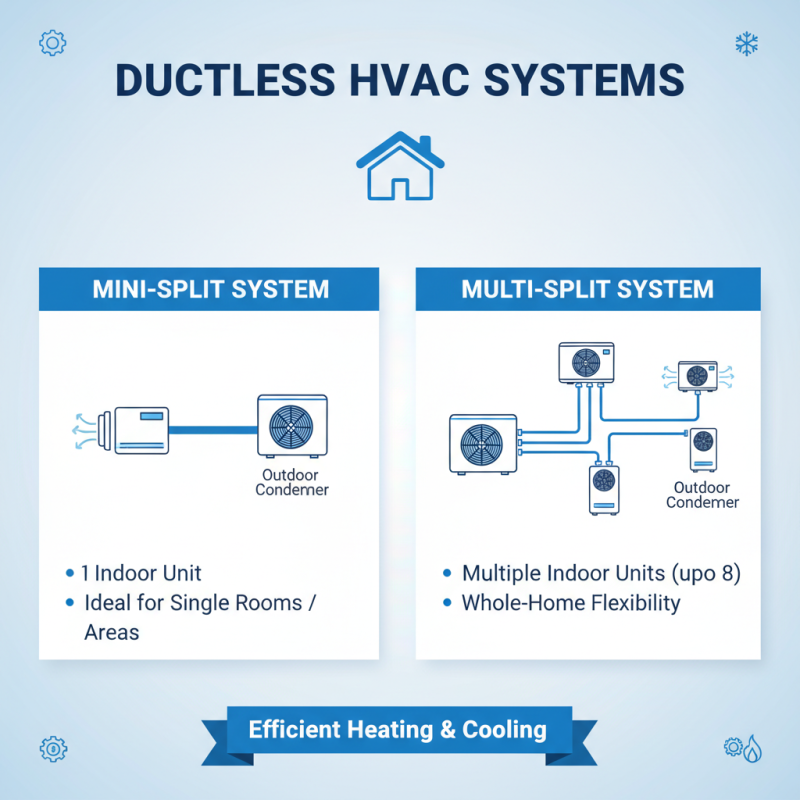
Ductless HVAC systems are gaining popularity for heating and cooling homes efficiently. Two main types exist: mini-split and multi-split systems. Mini-split units consist of one indoor unit and one outdoor condenser. They are ideal for single rooms or areas. Multi-split systems allow multiple indoor units to connect to a single outdoor condenser. This flexibility suits homes with varying heating and cooling needs.
According to industry reports, ductless systems can achieve energy efficiencies of up to 30% greater than traditional systems. This translates into significant savings over time. The upfront costs may be higher, yet the long-term energy savings often justify the investment. Mini-split systems are often easier to install in existing homes. However, careful planning is necessary to ensure proper placement.
Tips: Think about your home’s layout when choosing a system. Some rooms may require more cooling or heating. Regular maintenance is crucial too. Clean filters every month for optimal performance. Always consult a professional to assess your specific needs. This can save both energy and money in the long run.
When selecting a ductless HVAC system, understanding energy efficiency ratings is crucial. Two key metrics are SEER and HSPF. SEER stands for Seasonal Energy Efficiency Ratio, which measures cooling efficiency. A higher SEER value indicates better performance. This means lower energy consumption during those hot summer months.
HSPF, or Heating Season Performance Factor, evaluates heating efficiency. Similar to SEER, a higher HSPF rating means greater energy savings. These metrics help homeowners make informed decisions. They reveal not only potential energy costs but also environmental impact. However, it's essential to balance these ratings with actual usage.
Sometimes, systems with high ratings may not fit every home perfectly. A house's layout, insulation, and local climate can all affect overall efficiency. Choosing a system based solely on ratings might lead to suboptimal performance. Consider having a consultation with an expert who can assess your space specifically. Each home has unique requirements, and a one-size-fits-all approach may not work.
This chart illustrates the SEER and HSPF ratings of various ductless HVAC systems. A higher SEER indicates better energy efficiency for cooling, while a higher HSPF indicates better efficiency for heating. These ratings help consumers compare options when selecting an efficient HVAC system for their home.
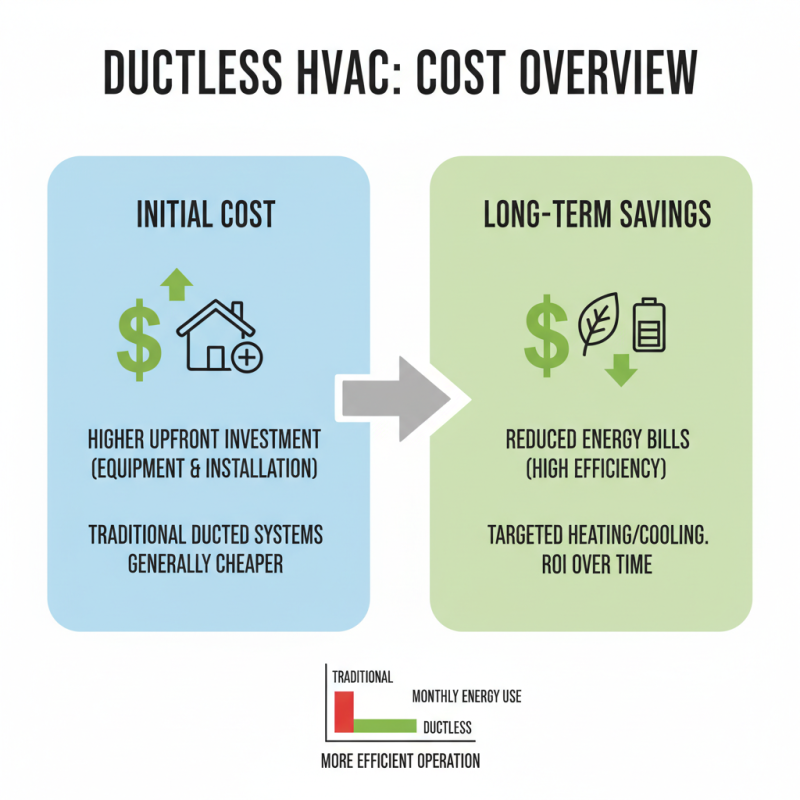
When considering ductless HVAC systems, cost is a significant factor. The initial investment can be higher than traditional systems. However, analyzing long-term savings reveals a different perspective. Ductless systems offer higher efficiency. They reduce energy costs due to targeted heating and cooling. Many homeowners see a return on investment over time.
It's essential to assess your specific needs. Installation costs can vary greatly. Factors like home size and climate play a crucial role. Expect to budget for both equipment and installation. While saving is a goal, not accounting for all expenses can lead to surprises.
Tip: Evaluate energy bills after installation. This will help determine if your choice was effective. Watch for maintenance costs as well. They can add up over the years. Doing a little research can avoid future regrets. Some systems require regular upkeep; others can be more forgiving.
Choosing the right system means balancing upfront costs with potential long-term benefits. Prioritize efficiency but remain aware of your financial limits. Take the time to weigh your options carefully. In the end, the best choice is one that fits your lifestyle and budget.
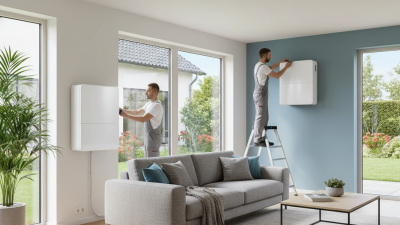
Installing a ductless HVAC system can be a smart choice. However, it requires careful planning and execution. Proper installation is crucial for efficiency. Uneven placement can lead to poor heating and cooling. Make sure to measure the space accurately. Each indoor unit should be positioned for optimal airflow. This ensures comfort throughout the home.
Maintenance is another key factor. Regular checks can keep the system running smoothly. Change filters frequently to maintain air quality. Dirty filters can restrict airflow, wasting energy. It’s good to schedule professional maintenance at least once a year. Technicians can spot issues before they escalate. Pay attention to unusual noises or drops in performance. A little vigilance can go a long way.