What Is the Best Smart AC Controller in 2026?

Choosing the best smart AC controller in 2026 is less about picking the device with the longest feature list and more about finding one that works reliably with your air conditioner. Many controllers use infrared signals, much like a standard remote. That means compatibility can depend on your AC model, remote functions, and room layout. A controller may support your brand but still miss a feature you use every day. Check before buying.

This guide compares the practical details that shape everyday performance: setup, temperature sensors, scheduling, app controls, voice assistant support, and energy tracking. It also considers whether a controller can manage your specific unit, including portable and window ACs where supported. Small details matter. A sensor placed near a sunny window may read warmer than the rest of the room. A schedule that looks efficient on paper may feel uncomfortable at night. Smart control is not magic.

We’ll look at what manufacturers claim and what buyers should verify, including Wi-Fi requirements, subscription fees, and support for multiple units. Where product features vary by region or AC model, that uncertainty deserves attention. No single controller is best for every home. The right choice depends on compatibility, comfort, budget, and how much automation you actually want. Some people may still prefer the original remote. That is worth admitting.
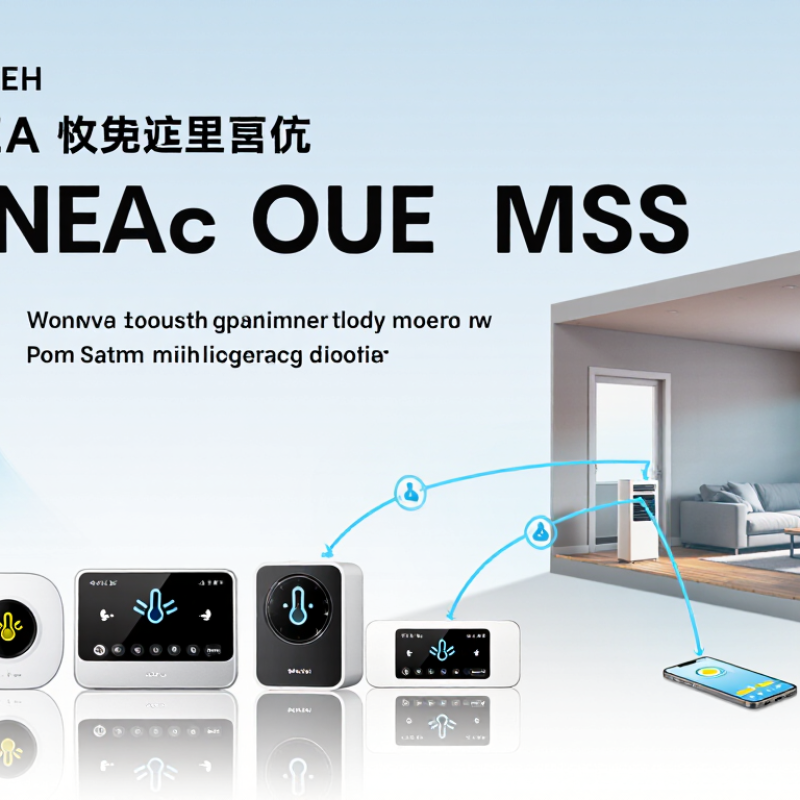
What Is the Best Smart AC Controller in 2026?

What a Smart AC Controller Does and How It Works

What Is the Best Smart AC Controller in 2026?

A smart AC controller connects a traditional air conditioner to modern digital controls. It usually communicates through Wi-Fi and sends infrared commands to the indoor unit. The controller learns commands such as power, temperature, fan speed, and operating mode. It then repeats those commands through an app, voice assistant, or scheduled routine.

That process sounds simple. It is not always perfect. In daily use, the controller checks room temperature with a built-in sensor. It may adjust cooling when the room becomes warmer than a selected target. Schedules can reduce unnecessary operation while people are away. Geofencing may also react when a phone leaves or returns home. However, these features depend on stable Wi-Fi, accurate sensors, and compatible AC signals.

I prefer controllers that display the current temperature and confirm each command. A controller should also preserve the AC’s basic remote functions. Compatibility deserves careful checking before installation. Some units support only specific infrared patterns or need a clear line of sight. A controller cannot fix a blocked filter, poor insulation, or a failing compressor. I once blamed automation for weak cooling, but the real issue was a clogged filter. Real homes are less predictable than product demonstrations. Check energy records, temperature changes, and command logs over several days. That evidence reveals whether the system actually improves comfort.

Which Air Conditioners Are Compatible With Smart Controllers?

Compatibility depends more on your air conditioner’s control method than its cooling capacity. Most smart AC controllers work with ductless mini-split systems that use infrared remote controls. They can copy commands such as temperature changes, fan speed, mode selection, and power control. Portable and window air conditioners may also work when their remotes use standard infrared signals.

Check the remote carefully. It should send commands without pointing at a special receiver or requiring a wired connection. A controller often needs clear line-of-sight, so a cabinet door or wall corner can interrupt the signal. Some newer units use radio frequency or proprietary wireless communication instead of infrared. These models may not support universal controllers. The product manual is more reliable than a marketplace description.

Central air systems require a different approach. If your home has a wired wall thermostat and low-voltage control wiring, choose a controller designed for that system. Compatibility may depend on heating equipment, cooling stages, humidity controls, and available wiring. Older systems can be surprisingly simple, but their labels are not always clear. I have found that taking a photo of the thermostat terminals prevents avoidable mistakes. Still, photographs cannot replace professional verification. A controller may power on while controlling the system incorrectly, causing short cycling or poor comfort. Check voltage requirements, supported functions, and installation guidance before connecting anything.

What Is the Best Smart AC Controller in 2026? - Which Air Conditioners Are Compatible With Smart Controllers?

Air Conditioner Type Typical Compatibility What to Check Common Smart-Control Options Important Limitations
Ductless mini-split Often compatible with an infrared (IR) smart controller if the unit is operated by an IR remote. Confirm the remote uses IR, the controller supports the required commands, and it can be placed within range with a clear path to the indoor unit. App control, schedules, temperature monitoring, and voice-assistant integration may be available, depending on the controller. Some systems use proprietary, radio-frequency, or wired controls. IR controllers may not report the air conditioner's actual operating state.
Portable air conditioner Often compatible when the unit has an IR remote and supports the commands needed by the smart controller. Check the remote type and whether the controller can reach the unit's receiver from its intended location. Remote power, temperature, and mode commands may be available; schedules depend on the controller and unit. Some units require manual water-tank emptying or have operating conditions that cannot be automated by an IR controller.
Window air conditioner Usually a candidate for IR control if it includes an IR remote; units with only physical buttons need a different approach. Verify remote compatibility and that the controller can be positioned to send commands to the unit. App-based control and scheduling may be possible through an IR controller; some units also support a compatible smart plug for basic on/off control. A smart plug generally cannot change temperature or operating mode. Check the unit's electrical rating and manufacturer guidance before using one.
Central air conditioner with a low-voltage thermostat May work with a compatible smart thermostat rather than a stand-alone IR controller. Check the thermostat wiring, system type, number of heating and cooling stages, and whether a common wire or power accessory is required. Features can include schedules, remote temperature control, and system-specific heating or cooling settings. Compatibility depends on the control wiring and HVAC configuration. Do not assume that a thermostat designed for low-voltage systems supports line-voltage equipment.
Through-the-wall air conditioner May be compatible with an IR controller if it has an IR remote; thermostat-based control depends on the unit's control design. Check for an IR receiver, supported remote commands, and any required wired thermostat connection. Possible options include remote commands, temperature schedules, or thermostat integration, depending on the setup. Some models use specialized controls or electrical configurations. Confirm the installation and control requirements before choosing a device.
AC with buttons only or a proprietary wired controller Generally not compatible with a basic IR smart controller unless the system also supports an IR remote. Look for the unit's control interface and consult its documentation for supported accessories or integration methods. Control may require a system-specific gateway or a compatible wired control solution. A generic IR blaster cannot operate controls it cannot communicate with; compatibility should be confirmed before purchase.

Compatibility varies by model and control system. Before choosing a smart AC controller, confirm the air conditioner's remote type, supported commands, control wiring, and installation requirements.

Which Features Matter Most When Comparing Smart AC Controllers?

A smart AC controller is only useful if it works with your air conditioner. Check whether your unit uses an infrared remote, a wired interface, or a proprietary control system. Then look for reliable temperature sensing, clear scheduling, and local control when Wi-Fi drops. Small details matter: a sensor near a sunny window may read warmer than the room, causing unnecessary cooling. Placement can be awkward.

Energy insight is another key comparison point. The International Energy Agency reports that space cooling uses nearly 10% of global electricity, making efficient control increasingly important.¹ Prefer controllers that show runtime or estimated energy use, but treat estimates as estimates; they are not the same as a utility-grade meter. Motion sensing and open-window alerts can help, though they may misread a quiet room or a brief draft. I would test these features before relying on them.

Check setup effort, app accessibility, data handling, and whether schedules keep working without an internet connection. The U.S. Department of Energy says adjusting a thermostat by 7–10°F for eight hours daily can save up to 10% on heating and cooling.² That figure is not a guarantee for every AC controller or home. Your climate, insulation, and habits change the result. Useful, but not magic.

¹ International Energy Agency, The Future of Cooling, 2018.
² U.S. Department of Energy, Energy Saver, “Programmable Thermostats.”

How Leading Smart AC Controllers Differ in 2026

In 2026, smart AC controllers differ less by appearance than by how reliably they manage everyday comfort. Some use infrared signals to mimic a remote, while others connect through compatible thermostats or dedicated wiring. That difference matters: infrared models may be simple to install, but they need a clear path to the air conditioner. A controller mounted behind a curtain can miss commands. Small detail, big annoyance.

Look closely at temperature sensing, scheduling, and recovery after a Wi-Fi outage. A sensor near a sunny window may report a warmer room than the space where people actually sit. Scheduling works best when it allows separate weekday and weekend routines, rather than one rigid timer. Room-level sensors can improve readings, though placement and calibration still affect results.

Check whether the controller confirms that the AC received a command; some systems show an app update without verifying the appliance’s response. That distinction is easy to overlook. Compatibility deserves equal attention: confirm the AC type, remote functions, and any required hub before buying. Energy estimates can be useful for spotting patterns, but they are not the same as measured savings. A short trial in the intended room often reveals more than a feature list.

How to Choose the Best Smart AC Controller for Your Needs

What Is the Best Smart AC Controller in 2026?

Choosing the best smart AC controller starts with your air conditioner, not its feature list. Check whether the unit accepts infrared commands, wired control, or both. An infrared controller needs a clear path to the indoor unit. Test it from the planned wall position. Thick furniture can quietly reduce reliability. My evaluation checklist also compares temperatures around the room. A hallway reading may mislead you. Keep the sensor near the occupied area, away from sunlight, cooking heat, and vents.

Look for schedules, geofencing, sleep modes, and gradual temperature changes. These features matter more than decorative app screens. Reliable Wi-Fi reconnection is essential after a router restart. Local control helps when the internet fails. Review permissions carefully, especially location access and household data. Energy reports can guide better habits, but treat estimates as estimates. They rarely match a utility meter perfectly. Compatibility with heat pumps, cooling-only systems, and multi-zone setups needs written confirmation. Technical documentation usually carries more weight than anonymous reviews.

Installation should take minutes, but do not assume it will. Mount the sensor, pair the controller, and test every command manually. Try cooling, fan speed, mode changes, and power recovery. Test it twice. Small failures appear later. Also check whether older family members can operate it without opening an app. A physical remote may remain necessary. My preference changed after seeing automation overcool empty rooms. A controller should fit your habits, privacy expectations, and actual AC system.