Best Split Heating and Cooling Systems for Your Home Efficiency
When it comes to maintaining a comfortable environment in our homes, the importance of an efficient heating and cooling system cannot be overstated. Among the various options available, split heating and cooling systems have gained significant popularity for their versatility and effectiveness. These systems offer an innovative solution to climate control, allowing homeowners to manage temperature and air quality in separate zones without the constraints of traditional HVAC systems.
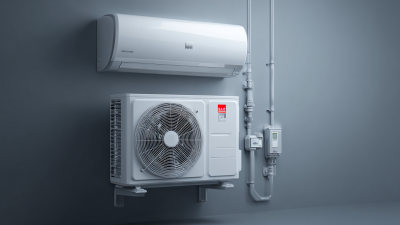
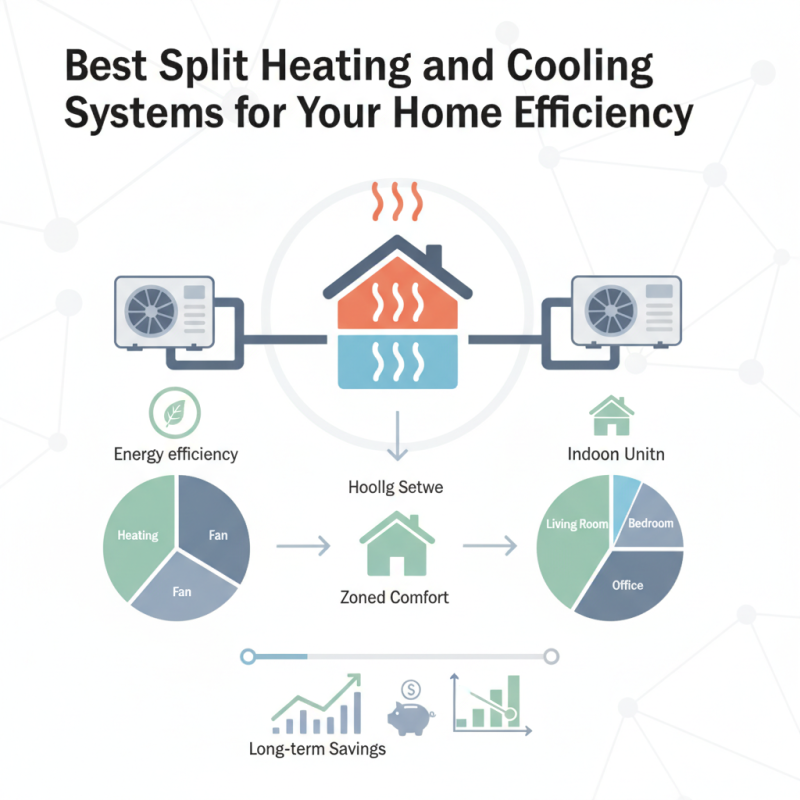
Split heating and cooling systems consist of an indoor and outdoor unit that work together to provide customized comfort tailored to your lifestyle and preferences. This flexibility not only enhances the indoor environment but also significantly improves energy efficiency, which is vital in today’s environmentally conscious world. As energy costs continue to rise, investing in a split heating and cooling system can provide long-term savings while maintaining optimal comfort levels in your home.
In the following sections, we will explore the best split heating and cooling systems that can cater to a variety of needs, focusing on their benefits, features, and considerations to ensure you make an informed choice for your home. Whether you're looking to upgrade your current setup or install a new system altogether, understanding the advantages of split heating and cooling systems can pave the way for improved energy efficiency and overall home comfort.
Types of Split Heating and Cooling Systems for Residential Use
When considering split heating and cooling systems for residential use, homeowners have several options that cater to different needs and preferences. The two primary types of split systems are ducted and ductless, each offering unique benefits tailored to enhance home efficiency. Ducted systems deliver temperature control through a network of ducts, allowing for seamless integration into existing homes. According to the American Society of Heating, Refrigerating and Air-Conditioning Engineers (ASHRAE), proper duct installation can improve air distribution efficiency by up to 20%, significantly reducing energy consumption.
On the other hand, ductless mini-split systems have gained popularity due to their flexibility and ease of installation. These systems consist of an outdoor unit connected to one or more indoor units, providing targeted heating and cooling. A report by the U.S. Department of Energy indicates that ductless systems can achieve efficiency ratings of up to 30 SEER (Seasonal Energy Efficiency Ratio), which is substantially higher than traditional central air systems. This efficiency not only enhances personal comfort but also contributes to lower utility bills, making it an attractive option for environmentally conscious homeowners looking to reduce their carbon footprint.
Key Features to Consider for Energy Efficiency in Split Systems
When choosing the best split heating and cooling systems for your home, energy efficiency is paramount. One key feature to consider is the Seasonal Energy Efficiency Ratio (SEER) for cooling and the Heating Seasonal Performance Factor (HSPF) for heating. According to the U.S. Department of Energy, a higher SEER rating indicates a more efficient system; for example, air conditioners with a SEER rating of 14 or higher can save homeowners an estimated 30% to 50% on energy costs compared to older models. Similarly, a heating system with an HSPF of 9 or above is considered energy efficient and can lead to significant long-term savings.
Another crucial aspect is the type of refrigerant used in the system. Modern split systems often use R-410A refrigerants, which have a lower environmental impact than older options. The Environmental Protection Agency (EPA) estimates that transitioning to eco-friendly refrigerants can reduce greenhouse gas emissions significantly. Selecting a split system with smart technology, such as programmable thermostats or zoning capabilities, can further enhance energy efficiency by allowing homeowners to optimize their heating and cooling needs based on occupancy, leading to a reduction in energy waste.
Tips: When considering a split heating and cooling system, it’s essential to size the unit correctly for your space. An improperly sized system can lead to inefficiency and increased energy bills. Additionally, regular maintenance, including cleaning filters and coils, can help maintain optimal efficiency and prolong the lifespan of your system, ensuring you get the best value for your investment.
Benefits of Using Split Systems for Home Heating and Cooling
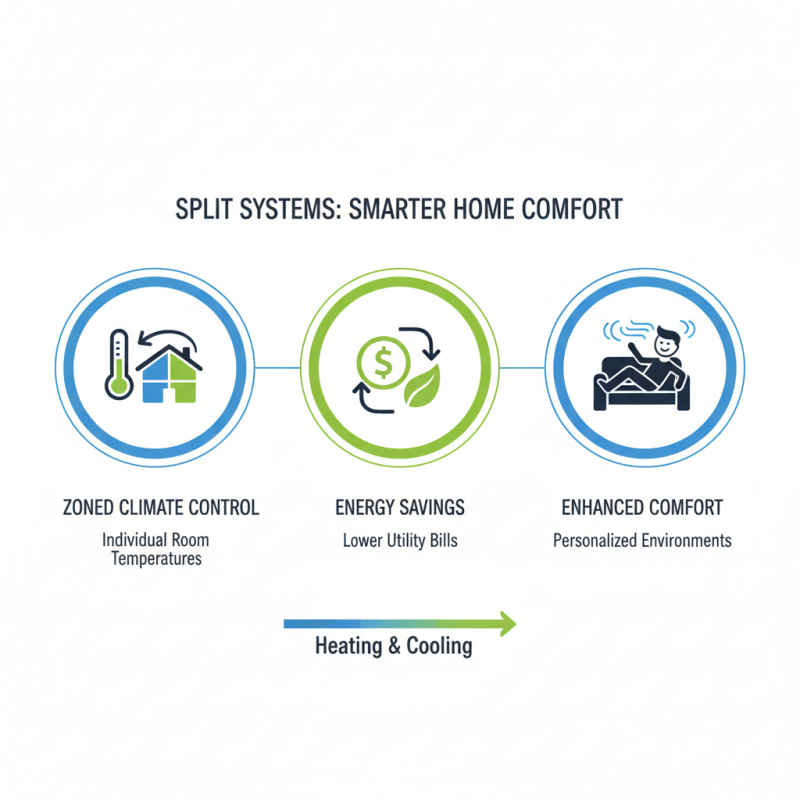
Split heating and cooling systems offer several advantages that enhance home efficiency and comfort. One of the primary benefits is their ability to provide zoned climate control. Instead of heating or cooling the entire home at once, split systems allow homeowners to adjust temperature settings in different areas according to personal preferences. This targeted approach not only increases comfort but also reduces energy consumption, leading to lower utility bills.
Another significant advantage is the ease of installation and flexibility of placement. Unlike traditional HVAC systems that require extensive ductwork, split systems consist of an outdoor unit and one or more indoor units, which can be mounted on walls or ceilings. This flexibility allows homeowners to optimize their cooling and heating according to the layout of their spaces, ensuring a more efficient operation.
**Tips:** To maximize the efficiency of your split system, consider regular maintenance by cleaning the filters and outdoor unit. Setting the thermostat a few degrees higher in summer and lower in winter can also lead to energy savings. Additionally, utilizing timers or smart thermostats can help manage energy use even more effectively, ensuring optimal comfort without unnecessary expenses.
Installation Tips for Optimal Performance of Split Systems
When it comes to maximizing the efficiency of split heating and cooling systems, proper installation is paramount. According to the U.S. Department of Energy, nearly 30% of energy used for heating and cooling in homes is wasted due to insufficient insulation and improper system setup. To combat this, it is crucial to ensure that the indoor and outdoor units are correctly sized and positioned. Oversized or undersized units can lead to uneven temperature distribution and increased energy consumption, leading to higher utility bills.
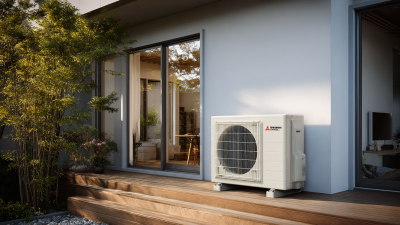
In addition to sizing, the placement of the outdoor unit plays a significant role in performance. The Air Conditioning Contractors of America (ACCA) recommends installing the outdoor unit in a shaded area to optimize efficiency and reduce the strain on the system during peak temperature conditions. Furthermore, maintaining a clear space around the unit enhances airflow, allowing the system to operate more effectively. Lastly, sealing ductwork and ensuring all connections are tight can significantly minimize energy losses, with studies indicating that proper duct sealing can boost system efficiency by as much as 20%. By focusing on these installation tips, homeowners can achieve optimal performance from their split systems, ultimately leading to enhanced energy efficiency and comfort.
Maintenance Practices to Enhance Longevity of Split Heating and Cooling Systems
Split heating and cooling systems are increasingly becoming popular in residential homes due to their efficiency and versatility. However, to maximize their efficiency and ensure a longer lifespan, regular maintenance practices are essential. According to a report by the American Society of Heating, Refrigerating and Air-Conditioning Engineers (ASHRAE), properly maintained HVAC systems can achieve energy savings of 5-15% per year, significantly reducing utility costs. Simple daily checks, such as ensuring that the outdoor unit is clear of debris and that the vents are not obstructed, can make a substantial difference in system performance.
Moreover, comprehensive maintenance should include more in-depth annual inspections by qualified professionals. The U.S. Department of Energy recommends changing or cleaning air filters every 1-3 months to prevent airflow issues, which can lead to increased energy consumption and potential system failures. Additionally, having a technician check refrigerant levels, electrical components, and other critical parts can help identify potential problems early, thus enhancing the unit's longevity. Studies indicate that regular maintenance not only extends the life of the system but can also help avoid costly repairs, making a significant impact on overall home efficiency and comfort.