10 Best Summer AC Tune Up Tips for Optimal Performance
As summer approaches, the need for efficient air conditioning becomes critical. According to the U.S. Department of Energy, air conditioning accounts for around 12% of all energy expenditures in the U.S. Proper maintenance is essential. A summer AC tune up can greatly enhance your system's efficiency. Yet, many homeowners neglect this vital task.
Research shows that regular tune-ups can lead to energy savings of up to 30%. However, without maintenance, systems can lose efficiency and reliability. Failing to conduct a summer AC tune up means risking costly repairs and discomfort during hot months.
Data from the Energy Star program shows that an estimated 25% of HVAC systems in homes are underperforming. This indicates a dire need for better maintenance practices. Homeowners often overlook essential tasks, which can lead to increased energy bills and system breakdowns. Investing time and effort into a summer AC tune up not only extends the lifespan of your unit but also ensures optimal performance when you need it most.
Understanding the Importance of Summer AC Tune-Ups
As summer approaches, ensuring your air conditioning system is in top shape becomes crucial. A well-maintained AC unit not only cools your space effectively but also reduces energy costs. Regular tune-ups can extend the life of your system, preventing costly repairs later on. They can identify minor issues before they turn into significant problems.
Many homeowners overlook the importance of these tune-ups. They often wait until the first heatwave to discover their AC is not functioning optimally. Neglect can lead to reduced airflow, increased humidity, and strange noises. Taking time to check filters and clean coils can drastically improve performance. However, frequent oversight can mean that the AC struggles during peak usage.
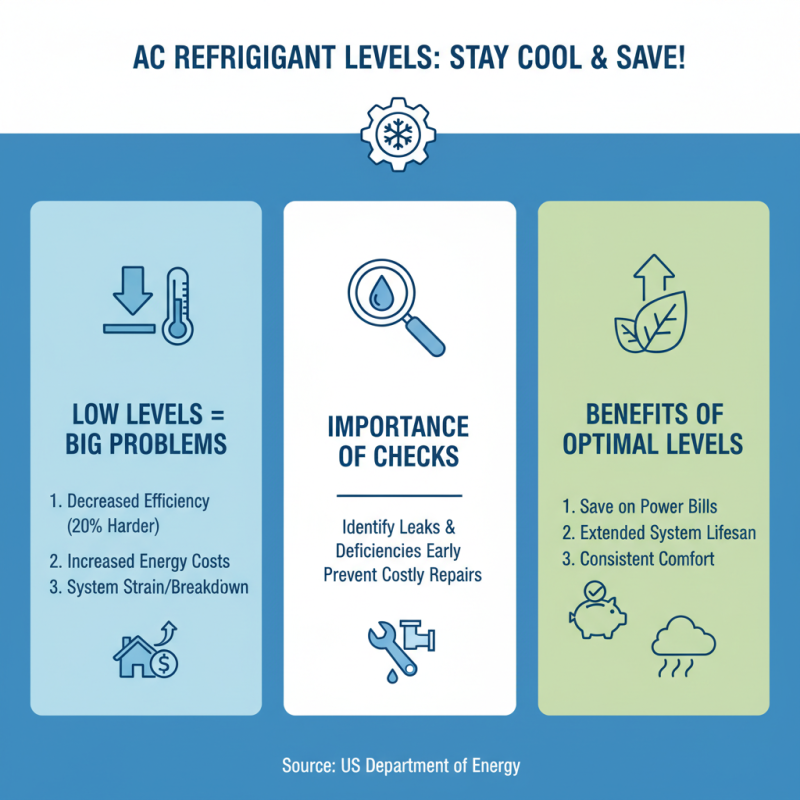
It's important to recognize that maintenance requires effort. Checking refrigerant levels and ensuring thermostat accuracy can often be forgotten tasks. A little attention can save you from discomfort in the middle of a summer day. Simple steps like removing debris from outside units are sometimes ignored, leading to inefficiencies. Focus on regular tune-ups this summer for an AC that keeps you truly cool.
10 Best Summer AC Tune Up Tips for Optimal Performance
Regular tune-ups are essential for ensuring your AC system operates efficiently during the summer months. This chart illustrates the importance rating of various AC tune-up tips to maximize performance and longevity.
Essential Tools and Equipment for an Effective AC Tune-Up
When it comes to maintaining your air conditioning system, having the right tools is essential for an effective tune-up. A clean system improves efficiency, leading to lower energy bills. Survey data shows that approximately 30% of energy use in a home comes from HVAC systems. Therefore, tuning up your AC is not just beneficial; it's necessary.
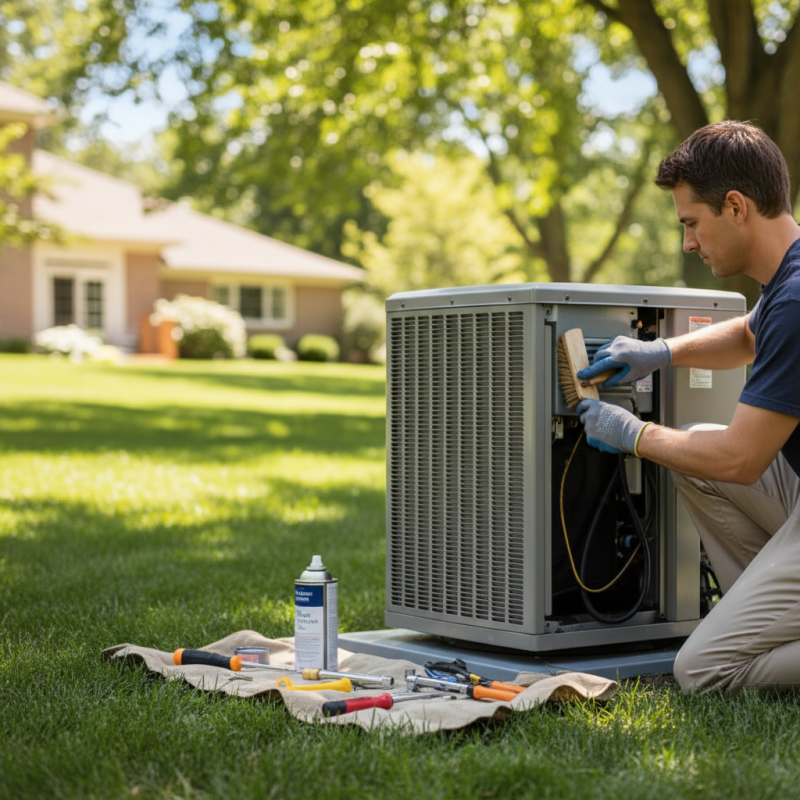
Key tools include a vacuum cleaner for debris removal, screwdrivers for any component checks, and a multimeter to measure electrical connections. Having a refrigerant gauge can help assess the cooling performance. It's surprising how many homeowners neglect these basic tools. Data suggests that around 40% of tune-ups lack proper equipment, which can lead to suboptimal performance.
Moreover, some may overlook the importance of safety gear. Protective eyewear and gloves ensure you are safe while working on your AC unit. Neglecting safety can result in injuries or further damage to the system. A report from the U.S. Department of Energy highlights that poorly maintained AC units can lead to efficiency drops of up to 20%. Having and utilizing the right tools can prevent these costly pitfalls.
Step-by-Step Guide to Cleaning Your AC Unit Efficiently
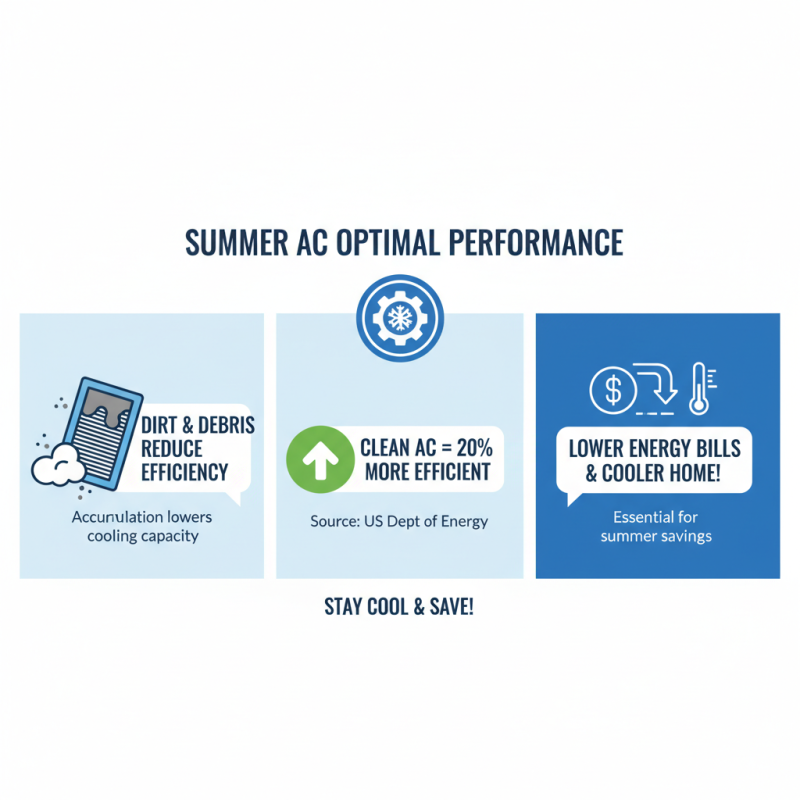
Cleaning your AC unit is essential for optimal performance during summer. Dust and debris can accumulate over time, reducing efficiency. According to the U.S. Department of Energy, a clean AC unit can operate up to 20% more efficiently. This means lower energy bills and a cooler home.
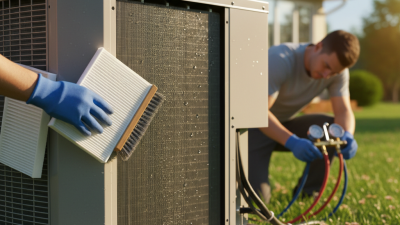
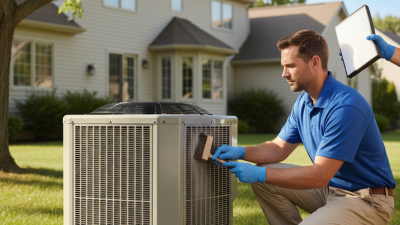
Start by turning off the power to your AC unit. Remove debris from around the outdoor unit. Carefully clear branches, leaves, and dirt that can obstruct airflow. Use a soft brush to clean the fins and wash the area with water. Be cautious; don’t bend the fins. A dull blade may not work well.
Next, focus on the filters. A dirty filter can restrict airflow, making the system work harder. Change or clean the filter monthly during the peak season. It’s often overlooked but crucial. Consistent maintenance can extend your unit's lifespan. Regular checks help avoid costly repairs too. Neglecting these tasks may lead to a half-hearted cooling effect, leaving you uncomfortable.
Checking and Replacing Air Filters for Optimal Airflow
Checking and replacing air filters is crucial for your air conditioning system. A clean filter helps maintain optimal airflow. According to the U.S. Department of Energy, a dirty filter can reduce your system's efficiency by up to 15%. This inefficiency can lead to higher energy bills and even system breakdowns.
Most manufacturers recommend checking filters monthly during the summer. It's a simple but often overlooked task. You’ll want to replace or clean filters that are clogged with dust and debris. A clogged filter puts extra strain on your AC unit. The system has to work harder to circulate air, which can cause wear and tear.
When you neglect this maintenance, potential issues arise. In the worst cases, the system may overheat, leading to costly repairs. Regular filter changes improve indoor air quality and system longevity. Make it a habit to inspect your filters. Finding time for this could save you from facing larger problems in the future.
10 Best Summer AC Tune Up Tips for Optimal Performance
| Tip No. |
Tune Up Tip |
Description |
Frequency |
| 1 |
Check Air Filters |
Inspect air filters for dirt and replace if necessary. |
Monthly |
| 2 |
Clean the Outdoor Unit |
Remove debris and obstructions around the outdoor condenser unit. |
Seasonally |
| 3 |
Inspect Ducts |
Check for leaks or blockages in ductwork. |
Annually |
| 4 |
Test Thermostat |
Calibrate and test the thermostat settings. |
Annually |
| 5 |
Inspect Insulation |
Check insulation around ducts and ensure it’s in good condition. |
Every few years |
| 6 |
Check Drain Lines |
Ensure drain lines are clear to prevent water damage. |
Monthly |
| 7 |
Inspect Refrigerant Levels |
Check refrigerant levels for optimal cooling. |
Annually |
| 8 |
Lubricate Moving Parts |
Lubricate fan and motor to ensure smooth operation. |
Annually |
| 9 |
Check Electrical Components |
Inspect electrical connections and components for wear. |
Annually |
| 10 |
Schedule Professional Maintenance |
Have a professional inspect and service your AC system. |
Annually |