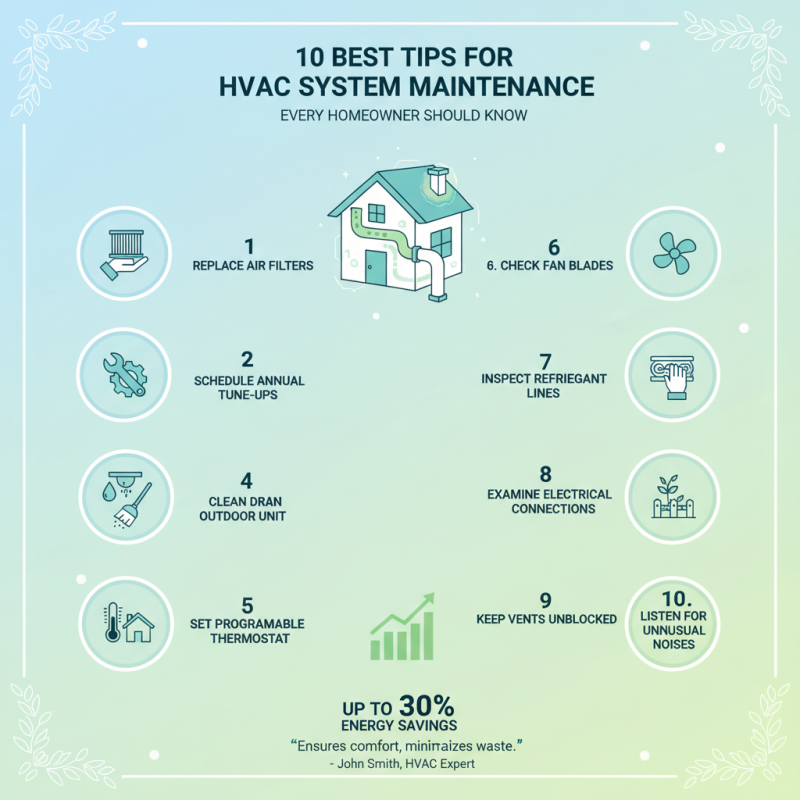
10 Best Tips for HVAC System Maintenance Every Homeowner Should Know
Maintaining an HVAC system is crucial for homeowners seeking to optimize energy efficiency, enhance indoor comfort, and prolong the lifespan of their equipment. According to the U.S. Department of Energy, regular maintenance can improve system efficiency by up to 30%, resulting in significant cost savings on energy bills. Despite this, many homeowners often overlook the importance of routine HVAC system maintenance, which can lead to unexpected breakdowns and costly repairs.
As industry expert John Smith, a certified HVAC technician and author of "The Essential Guide to Home HVAC Systems," emphasizes, "A well-maintained HVAC system not only ensures a comfortable living environment but also minimizes energy waste and operational costs." With this in mind, it is imperative for homeowners to adopt effective maintenance practices to safeguard their investments. In this article, we will explore the ten best tips for HVAC system maintenance that every homeowner should know, ensuring their systems run efficiently year-round and remain reliable for years to come.
Understanding the Importance of HVAC System Maintenance
Understanding the importance of HVAC system maintenance is crucial for homeowners who wish to optimize efficiency and extend the lifespan of their heating and cooling systems. Regular maintenance helps prevent unexpected breakdowns, ensuring that the system operates smoothly throughout the year.
For instance, a well-maintained HVAC system can improve air quality, regulate temperatures effectively, and lower energy bills. As the global HVAC market is projected to grow significantly, reaching $452.2 billion by 2035, the necessity of routine maintenance becomes even more apparent.
Furthermore, neglecting regular upkeep can lead to costly repairs and replacements. Homeowners should prioritize simple maintenance tasks such as replacing filters, checking refrigerant levels, and inspecting ductwork for leaks. These steps not only enhance performance but also contribute to energy savings and environmental sustainability.
In an era where energy efficiency is paramount, understanding and implementing HVAC maintenance best practices doubles as a smart financial decision and an environmentally responsible choice.
Regularly Changing Air Filters for Optimal Performance
Regularly changing air filters is one of the most crucial maintenance steps every homeowner should undertake to ensure optimal performance of their HVAC systems. The air filter acts as the first line of defense against dust, allergens, and other particulates that can diminish indoor air quality. When filters are clogged, they restrict airflow, causing the system to work harder. This not only reduces efficiency but can also lead to higher energy bills and potential breakdowns.
To maintain an effective HVAC system, homeowners should check their air filters at least once a month, especially during peak usage seasons. The type of filter—whether it’s a disposable or reusable one—can influence how often it needs to be changed. Disposable filters typically require replacement every one to three months, while reusable ones can be cleaned regularly. By staying on top of filter maintenance, homeowners can enhance their system's efficiency, prolong its lifespan, and create a healthier living environment.
10 Best Tips for HVAC System Maintenance Every Homeowner Should Know
| Tip |
Description |
Frequency |
| Change Air Filters |
Replace air filters to improve air quality and system efficiency. |
Every 1-3 months |
| Clean the Condenser Unit |
Remove debris around the unit for efficient airflow. |
At least twice a year |
| Inspect Ductwork |
Check for leaks and blockages to ensure proper airflow. |
Annually |
| Schedule Professional Maintenance |
Have a technician assess and tune-up your system. |
Annually |
| Clear the Drain Line |
Prevent clogs by flushing the drain line with vinegar. |
Every 6 months |
| Check Thermostat Settings |
Ensure the thermostat is calibrated and functioning correctly. |
Monthly |
| Insulate Pipes |
Prevent heat loss in hot water pipes for increased efficiency. |
As needed |
| Monitor Energy Bills |
Look for unusual spikes that may indicate system issues. |
Monthly |
| Consider Upgrading |
Replace old systems with more efficient models. |
Every 10-15 years |
Scheduling Professional Inspections and Tune-Ups
Scheduling professional inspections and tune-ups is crucial for maintaining the efficiency and longevity of your HVAC system. According to the U.S. Department of Energy, regular maintenance can improve your system’s efficiency by up to 15%, translating to significant savings on energy bills over time. Homeowners should aim to schedule these inspections at least once a year, ideally before the heating or cooling season begins. This proactive approach not only extends the lifespan of the system but also helps identify potential issues before they become costly repairs.
During a professional inspection, technicians perform essential tasks such as checking refrigerant levels, inspecting ductwork for leaks, and cleaning the components to ensure optimal performance. Research from the American Society of Heating, Refrigerating and Air-Conditioning Engineers (ASHRAE) indicates that properly maintained HVAC systems can also improve indoor air quality, which is vital for the health of your household. By prioritizing professional tune-ups, homeowners can enhance comfort, reduce the risk of breakdowns, and ensure their HVAC system operates at peak efficiency.
Cleaning the Condenser and Evaporator Coils
Cleaning the condenser and evaporator coils is an essential aspect of HVAC system maintenance that every homeowner should prioritize. Over time, these coils can accumulate dirt, dust, and debris, which can significantly hinder the efficiency of your system. When the coils are dirty, the HVAC unit has to work harder to maintain the desired temperature, leading to increased energy consumption and potential breakdowns. To ensure optimal performance, it is advisable to clean the coils at least once a year, ideally during early spring before the heavy cooling season begins.
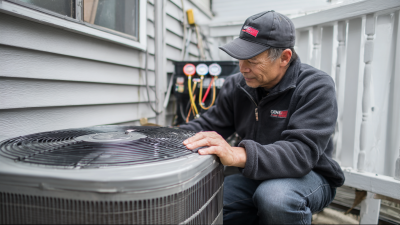
To clean the coils effectively, begin by turning off the power to the system to ensure safety. For the condenser coils located outside, remove any debris such as leaves, grass, or dirt from around the unit. A gentle spray from a garden hose can help remove the dirt, but be cautious not to bend the fins. For the evaporator coils found inside the air handler, carefully vacuum the coils with a soft brush attachment and apply a no-rinse coil cleaner. Regular maintenance of these coils not only enhances the unit's efficiency but also prolongs its lifespan, allowing homeowners to enjoy comfortable indoor temperatures without excessive energy costs.
Monitoring and Maintaining Humidity Levels in Your Home
Maintaining optimal humidity levels in your home is crucial for the performance of your HVAC system and the overall comfort of your living space. Ideally, indoor humidity should be kept between 30% and 50%. High humidity can lead to mold growth and dust mites, while low humidity can cause dry skin and respiratory issues. To keep humidity in check, ensure your HVAC system is equipped with a dehumidifier, especially during humid months. Regularly check and clean the condensate drain to prevent blockages, which can add to humidity levels.
In addition to mechanical solutions, it's essential to monitor humidity levels using a hygrometer. This device allows you to keep track of indoor moisture and make adjustments as necessary. Opening windows for ventilation on drier days can also help balance humidity. Sealing leaks around doors and windows will prevent moist air from entering and dampening indoor conditions. Implementing these practices not only enhances comfort but also promotes the longevity and efficiency of your HVAC system, ultimately contributing to a healthier living environment.