How to Choose the Right Mini Split Heat Pump for Your Home
Choosing the right mini split heat pump can be confusing. With options available, making a decision requires careful thought. "A mini split heat pump can be a game changer for energy efficiency," says John Thompson, an HVAC expert. His insights guide many homeowners today.
Consider your home’s size and layout. The right unit must match your space for optimal performance. A small pump may struggle, while one that’s too large can waste energy. Think about the climate, too. In warmer areas, a mini split heat pump can work wonders. Yet, in cooler climates, you might face challenges.
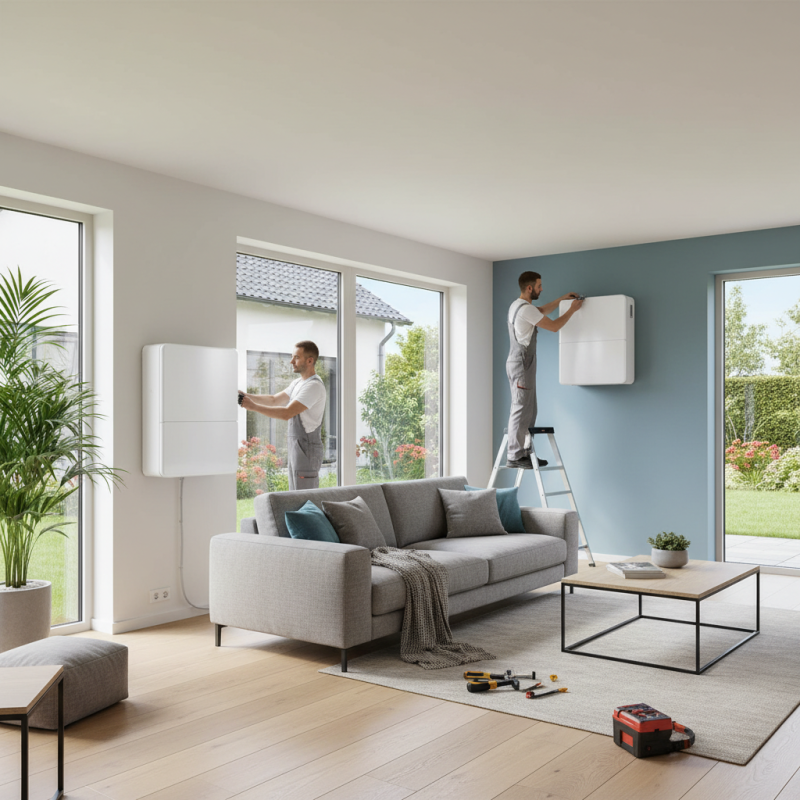
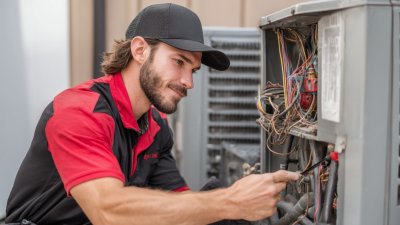
Installation is another crucial aspect. Professional help ensures your system runs smoothly. Remember, not all installations are equal. Some companies lack experience. Reflect on these factors before making a choice. The right mini split heat pump can enhance your comfort and save on bills. But the process demands attention to detail.
Understanding Mini Split Heat Pumps and Their Benefits
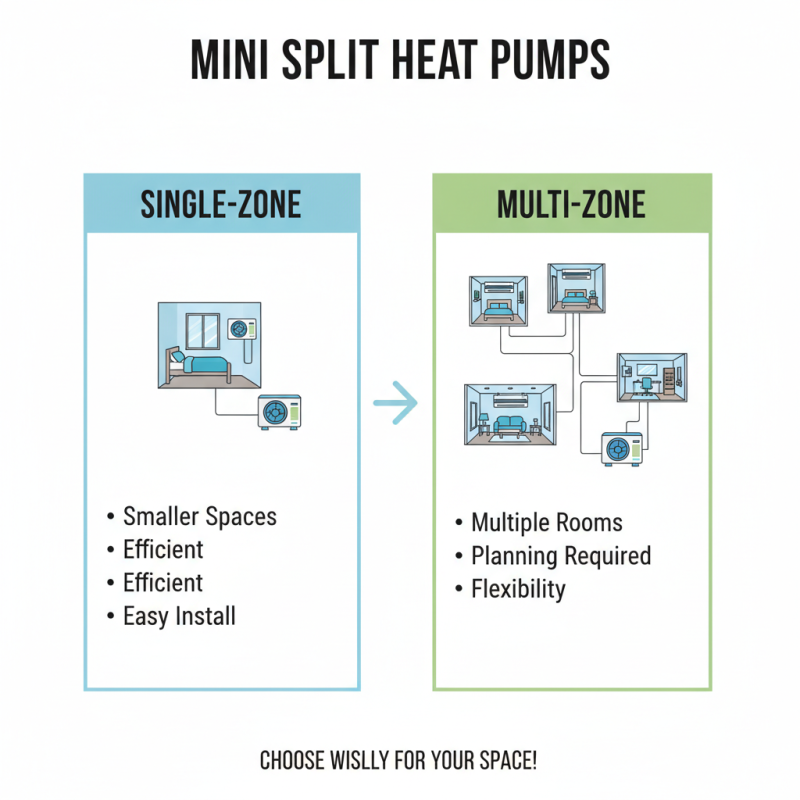
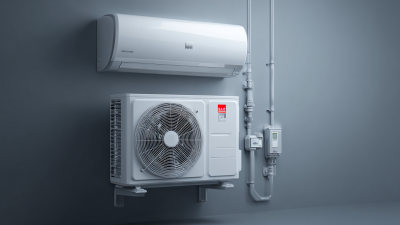
Mini split heat pumps are versatile solutions for heating and cooling. They consist of an indoor unit and an outdoor compressor. These systems are particularly beneficial for homes without ductwork. They can be installed in individual rooms or even larger spaces. This flexibility allows homeowners to manage temperature efficiently.
One of the key advantages is energy efficiency. Mini splits use less electricity compared to traditional heating systems. This can lead to significant savings on utility bills. Additionally, they provide both heating and cooling, making them suitable year-round. However, selecting the right size and capacity is crucial. An improperly sized unit may not deliver optimal performance. It might leave rooms too cold or too hot.
The installation process can be complex and requires professional help. Poor installation can negate any efficiency benefits. Homeowners should reflect on their specific needs. Consider factors such as room size, insulation, and local climate. Understanding these aspects will inform better choices when selecting a mini split heat pump.
Assessing Your Home’s Heating and Cooling Needs
When considering a mini split heat pump, it's crucial to assess your home’s heating and cooling needs accurately. Start by measuring the square footage of each room. Larger spaces require more powerful units, while smaller areas need less capacity. Insulation levels also play a significant role. Poorly insulated homes lose heat quickly, making it harder to maintain a comfortable temperature.
Next, think about your climate. In colder regions, you'll need a heat pump that can efficiently work during winter. In warmer climates, focus on cooling capacity. Consider how many occupants usually stay in each room. More people generate extra heat, impacting cooling requirements. Take note of windows too. They let in sunlight which can raise temperatures indoors, necessitating more cooling power.
It's also important to reflect on your lifestyle. Do you often entertain guests? If so, you may require a more robust system. On the other hand, if you spend long hours away from home, a less powerful unit might suffice. Balancing these diverse factors ensures you choose the perfect mini split heat pump for your space. Make sure to revisit your choices if conditions change. This is a significant investment, so careful consideration is essential.
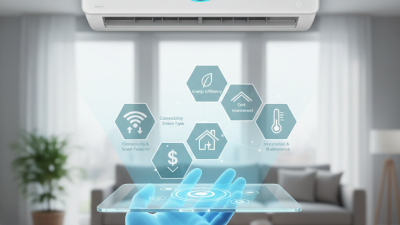
Heating and Cooling Needs Assessment
Key Features to Consider When Choosing a Mini Split Heat Pump
Choosing the right mini split heat pump for your home can be overwhelming. It's essential to focus on key features to find the perfect match. Start with the system's capacity. This is measured in BTUs. A unit too small will struggle, while an oversized unit wastes energy. Assess your space carefully. Measure the room's square footage and consider the climate in your area.
Next, evaluate the energy efficiency rating. Look for a model with a high SEER rating. This indicates better cooling efficiency. It's worth the investment. You can save on energy bills over time. Noise levels are another important factor. Some units are quieter than others. A noisy system can disrupt your comfort.
Consider the installation process as well. Mini splits require both indoor and outdoor units. Make sure your home’s layout suits this. You may want to hire professionals for installation. However, some find this cost burdensome. This might lead to regrets later on. Reflect on your choices carefully.
Professional Installation vs. DIY: Making the Right Choice
When considering whether to opt for professional installation or a DIY approach for a mini split heat pump, several factors come into play. According to a 2022 report by the HVAC Industry Association, 70% of homeowners choose professional installation. This choice often stems from a concern for safety and efficiency. Proper installation can enhance the system's lifespan and performance. DIY projects might save money initially but can introduce complications.
A well-installed mini split can yield energy savings of up to 30% over poorly installed systems. However, lacking expertise might lead to miscalculations in sizing or placement, resulting in inefficiency. Experts recommend assessing your skill level honestly before deciding. If uncertain, hiring professionals can help avoid costly mistakes. With installation fees averaging $1,500, the upfront cost may seem steep. But the long-term benefits usually justify this investment.
Ultimately, the decision hinges on your confidence and experience. Reflect on your past projects. Did you complete them successfully? Were there hidden expenses? If so, consider calling in the pros. They can guarantee that the system operates effectively, ensuring comfort for years to come.