How to Choose the Best Ductless Heat and Air System for Your Home
When it comes to ensuring optimal comfort in your home, selecting the right ductless heat and air system is crucial. With a wide variety of options available on the market, making an informed decision can be overwhelming. According to John Smith, a leading expert in the ductless heat and air industry, “Choosing the right ductless system can transform your living space into an oasis of comfort and efficiency.” His insights emphasize the importance of understanding your specific heating and cooling needs before making a selection.
Ductless heat and air systems, known for their flexibility and energy efficiency, are becoming increasingly popular among homeowners. These systems provide targeted temperature control, allowing you to customize comfort levels in individual rooms. However, with myriad choices, it's essential to consider factors such as system size, installation requirements, and energy efficiency ratings to find the best fit for your home.
In this guide, we aim to simplify the process of choosing the ideal ductless heat and air system for your dwelling. By exploring key considerations and expert recommendations, you’ll be well-equipped to make a choice that enhances both comfort and energy efficiency in your living environment.
Understanding Ductless Heat and Air Systems: Basics and Benefits
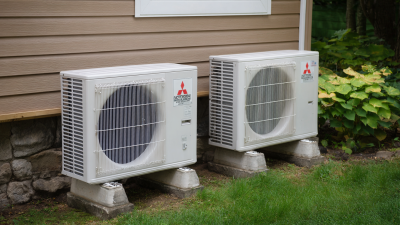
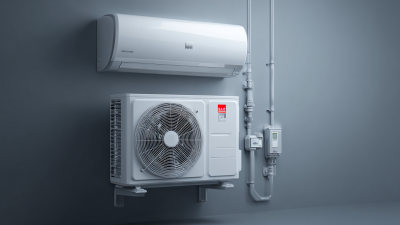
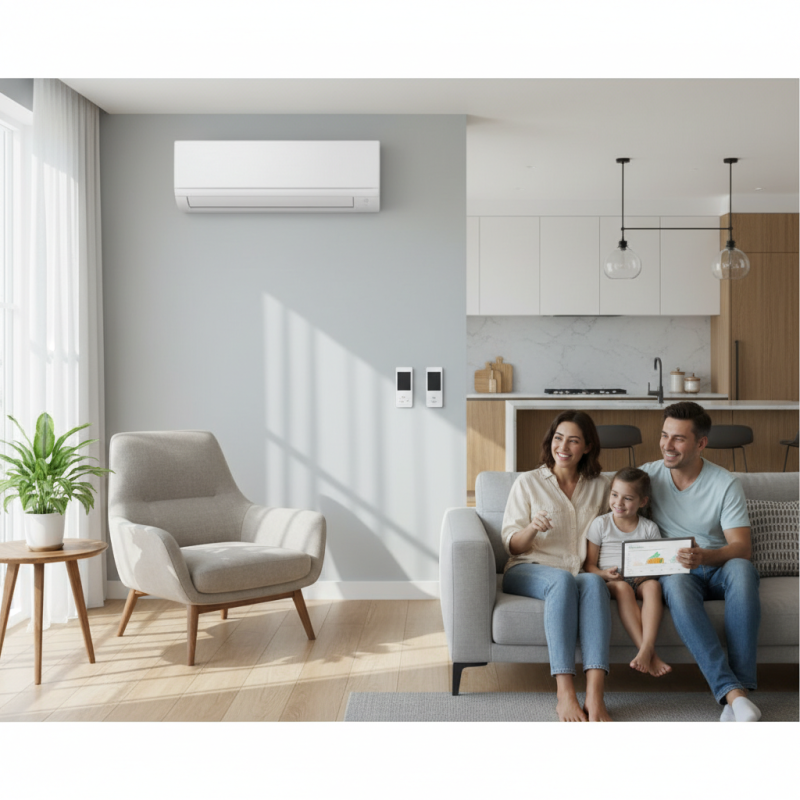
Ductless heat and air systems, also known as mini-split systems, offer a versatile solution for heating and cooling individual rooms or entire homes without the need for ductwork. These systems consist of an outdoor compressor unit and one or more indoor air-handling units. The absence of ductwork not only simplifies installation but also significantly reduces energy loss associated with traditional HVAC systems, making ductless systems an efficient choice for various home layouts.
One of the main benefits of ductless systems is their flexibility. Homeowners can choose to install multiple indoor units connected to a single outdoor compressor, allowing for tailored temperature control in different areas of the house. This zoning capability provides comfort by enabling individuals to adjust settings according to their preferences, ultimately driving down energy costs. Additionally, ductless systems often feature advanced technology, such as inverter-driven compressors, which maintain optimal temperatures with minimal energy consumption, further enhancing efficiency and cost-effectiveness.
Comparison of Ductless Heat and Air Systems Benefits
Key Factors to Consider When Choosing a Ductless System
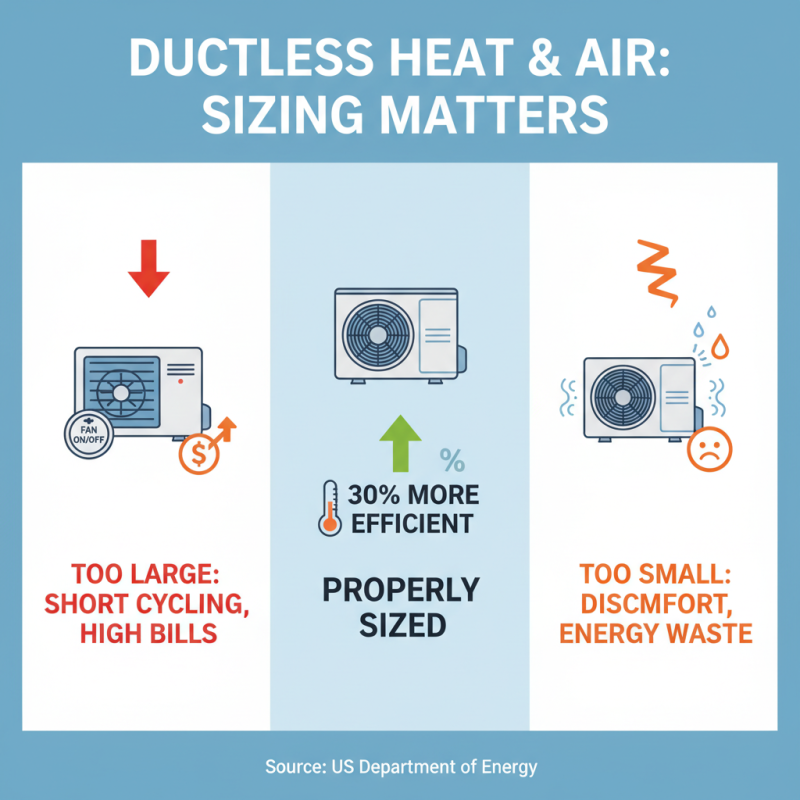
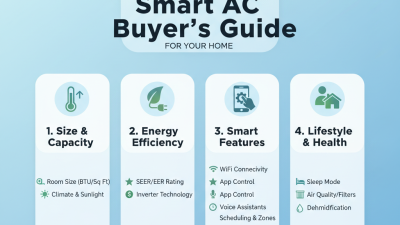
When choosing a ductless heat and air system for your home, several key factors play a significant role in ensuring optimal performance and efficiency. One of the primary considerations is the size of the space needing climate control. According to the U.S. Department of Energy, improperly sized HVAC systems can be up to 30% less efficient and may lead to increased energy costs. It's essential to evaluate the square footage of each room and the layout to determine the appropriate BTU (British Thermal Unit) requirements for your system.
Another critical factor is the system's energy efficiency rating, typically represented by the SEER (Seasonal Energy Efficiency Ratio) and HSPF (Heating Seasonal Performance Factor). The U.S. Environmental Protection Agency notes that a higher SEER or HSPF rating can significantly impact energy consumption and utility costs over time. Selecting a ductless unit with a SEER rating of 15 or above can help you save up to 30% on cooling costs compared to older models. Additionally, consider the insulation and windows in your home, as these can influence the heating and cooling load, leading to more informed decision-making when selecting the system.
How to Choose the Best Ductless Heat and Air System for Your Home - Key Factors to Consider When Choosing a Ductless System
| Factor |
Description |
Importance |
| Energy Efficiency |
Look for systems with high SEER ratings to ensure low energy consumption. |
High |
| System Size |
Choose a system that is appropriately sized for your space to avoid inefficiency. |
Critical |
| Installation Complexity |
Consider ease of installation and any additional costs involved. |
Moderate |
| Noise Levels |
Check the decibel levels of units to ensure they operate quietly. |
Important |
| Maintenance Requirements |
Understand the maintenance needs to keep the system running efficiently. |
High |
| Price |
Consider the total cost including installation and potential rebates. |
Very Important |
Sizing Your Ductless Heat and Air System for Maximum Efficiency
When selecting a ductless heat and air system, the sizing of the unit is critical for maximizing efficiency and comfort in your home. According to the U.S. Department of Energy, properly sized ductless systems can be up to 30% more efficient than units that are either too large or too small. Oversized systems often lead to short cycling, causing them to turn on and off too frequently, which can increase wear and tear on the system and lead to higher energy bills. Conversely, undersized systems struggle to maintain the desired temperature, leading to discomfort and potentially significant energy waste.
To achieve optimal sizing, it is vital to perform a Manual J calculation, which assesses the heating and cooling loads based on various factors, including the home's square footage, insulation levels, window orientations, and local climate conditions. A study by the Air Conditioning Contractors of America (ACCA) emphasizes the importance of using this methodology to ensure the system will meet the needs of the space without being excessive. The wrong size unit can compromise energy performance, typically resulting in an efficiency decrease of up to 50%, which significantly impacts both utility costs and the system's lifespan.
In addition to proper sizing, installation also plays a role in system efficiency. Data from the Environmental Protection Agency indicates that poorly installed ductless systems can underperform by as much as 30%. Therefore, it is advisable to consult with a qualified HVAC professional who can conduct a thorough evaluation and ensure that you select and install a ductless heat and air system that is optimally sized for your home’s requirements.
Exploring Different Types of Ductless Systems Available on the Market
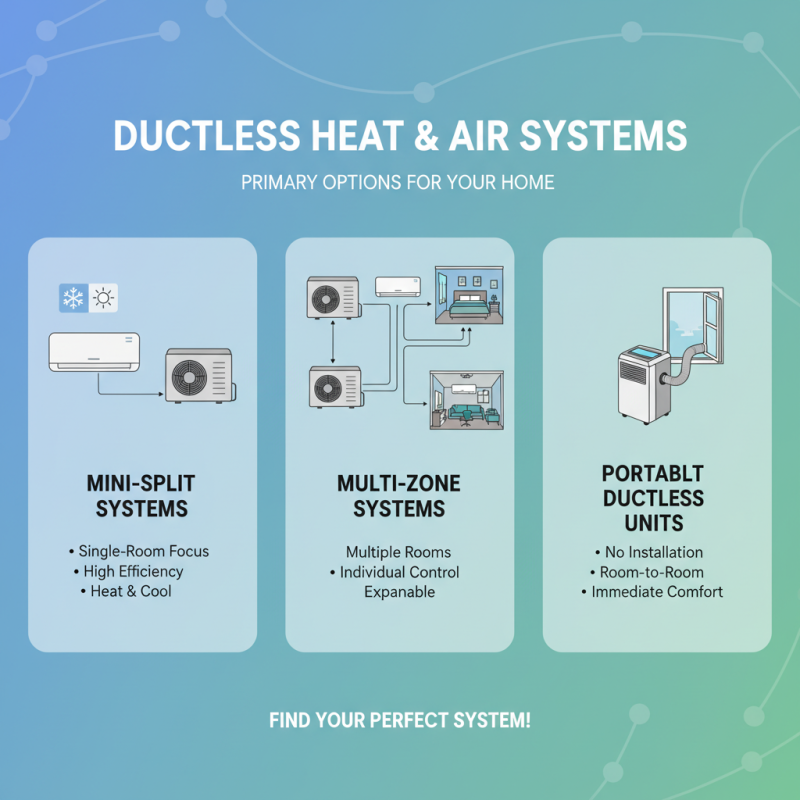
When exploring different types of ductless heat and air systems available on the market, it's essential to understand the primary options that best meet your home's needs. The most common types include mini-split systems, multi-zone systems, and portable ductless units. Mini-split systems are designed for single-room installations, featuring an outdoor compressor and one or more indoor air handlers. These systems are highly efficient, offering both heating and cooling capabilities, making them an excellent choice for individual spaces.
Multi-zone systems extend the benefits of mini-splits by allowing multiple indoor units to be connected to a single outdoor unit. This flexibility is perfect for larger homes or those with varying temperature preferences in different rooms. These systems can be configured to provide customized comfort across multiple areas, ensuring energy efficiency and optimal climate control. Lastly, portable ductless units are ideal for temporary solutions, providing cooling and heating in areas without existing ductwork while being easy to move as needed. By understanding these options, homeowners can make informed decisions about the best ductless system for their specific requirements.
Installation and Maintenance Tips for Your Ductless System
When installing a ductless heat and air system, proper installation is crucial for achieving optimal performance and efficiency. Begin by selecting an ideal location for the indoor units, ensuring they are placed in areas that allow for unobstructed airflow. It’s also important to consult with a professional to determine the right capacity based on your home’s size and layout. This ensures that your system will run efficiently and avoid issues like overworking or underperformance.
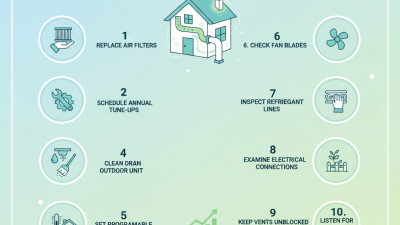
Maintenance is another key factor in the longevity and effectiveness of your ductless system. Regularly clean or replace the filters to maintain air quality and system efficiency. Check the outdoor unit for debris or obstructions that could hinder performance, especially during seasonal changes. Additionally, scheduling annual maintenance checks with a qualified technician can help identify potential issues before they become costly repairs.
Tips for maintenance:
- Set a reminder to check and clean the filters monthly, as this can significantly improve air quality and energy efficiency.
- Inspect the outdoor unit regularly, especially after storms or heavy winds, to keep it free from leaves and dirt buildup.
- Ensure the condensate drain is clear to prevent water leaks, which could lead to further problems if not addressed promptly.