How to Choose the Best Ductless Mini Split Heat Pump for You?
Choosing the right ductless mini split heat pump can be challenging. With numerous models and features available, it's essential to find one that fits your needs. Focus on energy efficiency, cost, and design. Comparing different brands and reading customer reviews provide helpful insights.
Experience matters when selecting a ductless mini split heat pump. Look for units that have a proven track record and are highly rated. Reliable brands often have better warranties and support options. You may find that some models work well in mild climates but struggle in extreme temperatures.
Your home’s layout and insulation level will impact the performance of a mini split heat pump. Assess your space carefully. Sometimes, a small unit might suffice, while larger areas may require multiple units. Balancing your preferences with practical needs is crucial in this decision-making process.
Understanding Ductless Mini Split Heat Pumps: Key Features to Consider
When considering a ductless mini split heat pump, understanding its key features is essential. These systems offer flexibility and energy efficiency. They can serve both heating and cooling needs. A report from the U.S. Department of Energy indicates that ductless systems can improve energy efficiency by up to 30% compared to traditional HVAC units. This attractive efficiency is largely due to the absence of duct losses.
Key features to consider include BTU capacity, SEER ratings, and the number of zones. BTU capacity measures a system's heating and cooling power. It's crucial to choose a system with the right capacity for your space. Oversized units can lead to frequent cycling, causing wear and tear. SEER ratings show energy efficiency during cooling. Higher SEER ratings indicate better performance, potentially lowering energy bills.
Tip: Calculate your space’s heating and cooling requirements accurately. This ensures optimal performance. Look at factors like insulation and room size. Additionally, consider the installation cost. While some units may have a higher price tag, their efficiency could save money over time. Strive for a balance between upfront cost and long-term savings. Proper installation can also impact the system's efficiency and lifespan. Make informed choices to truly benefit from your investment in ductless mini-split technology.
Comparative Analysis of Ductless Mini Split Heat Pump Features
This bar chart illustrates key features to consider when selecting a ductless mini split heat pump. The values represent Energy Efficiency (SEER rating), Cooling and Heating Capacities (in BTUs), Noise Level (in dB), and Price in US Dollars, providing a comparative view to aid in making an informed decision.
Evaluating the Size and Capacity Requirements for Your Space
Choosing the right ductless mini split heat pump involves understanding your space's size and capacity needs. The U.S. Department of Energy suggests that proper sizing is crucial for efficiency. An undersized unit may struggle, leading to higher energy bills and insufficient heating or cooling. Conversely, an oversized unit can cycle too frequently, preventing effective humidity control.
Calculating the required BTUs (British Thermal Units) is essential. For instance, a room of 500 square feet typically requires about 12,000 BTUs. Factors like ceiling height, insulation quality, and window size can affect this number. Additionally, local climate conditions play a significant role. In colder regions, you may need extra capacity to maintain comfort during harsh winter months.
When exploring options, consider your layout. Rooms with high ceilings or large windows might need additional heating or cooling power. Consulting with a specialized HVAC installer can reveal detailed insights. They will evaluate your specific conditions and guide you in making an informed choice. Remember, getting it right the first time can save you energy and money in the long run.
How to Choose the Best Ductless Mini Split Heat Pump for You? - Evaluating the Size and Capacity Requirements for Your Space
| Room Size (sq ft) |
BTU Requirement |
Recommended Unit Capacity (Tons) |
Energy Efficiency Ratio (EER) |
Estimated Cost ($) |
| 100 - 300 |
9,000 - 12,000 |
1 - 1.5 |
16 - 20 |
1,500 - 2,500 |
| 300 - 600 |
12,000 - 18,000 |
1.5 - 2 |
15 - 18 |
2,000 - 3,500 |
| 600 - 1,000 |
18,000 - 24,000 |
2 - 2.5 |
14 - 16 |
3,000 - 4,500 |
| 1,000 - 1,500 |
24,000 - 30,000 |
2.5 - 3 |
12 - 14 |
4,500 - 6,000 |
Assessing Energy Efficiency Ratings and Operating Costs
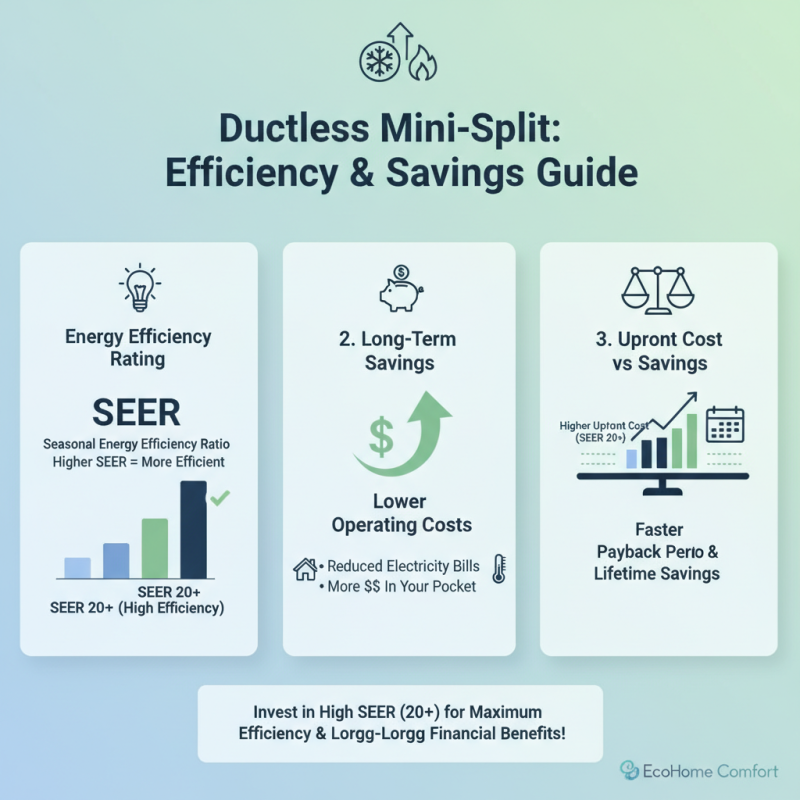
When choosing a ductless mini split heat pump, energy efficiency ratings are crucial. Look at the SEER (Seasonal Energy Efficiency Ratio) rating. Higher SEER ratings indicate more efficient units, saving you money over time. A unit with a SEER of 20 or above is ideal. However, higher efficiency often comes with a higher upfront cost.
Consider the operational costs as well. Installation affects the total expenditure. You may need to factor in regular maintenance to keep the system running smoothly. Estimates suggest that efficient models can yield savings of up to 30% on energy bills. However, it's worth noting that these savings depend on your local climate and usage patterns. A more powerful unit may be necessary for larger spaces, increasing overall expenses.
It’s essential to analyze your specific needs. Think about factors like insulation and room size. Higher efficiency might not always translate to lower bills if the unit is oversized. Balancing power and efficiency is key to avoiding overspending. Always check for reliable energy ratings from reputable sources before making a final decision.
Exploring Installation Options and Requirements for Mini Splits
When exploring installation options for ductless mini split heat pumps, one must consider several key factors. Understanding your space is crucial. These units work well in various settings, from homes to smaller workshops. Assess your square footage, insulation properties, and local climate conditions. Proper calculations ensure efficient heating and cooling. According to the U.S. Department of Energy, ductless systems can save up to 30% on energy costs compared to traditional heating methods.
Installation requirements vary. Most mini splits necessitate a mounting bracket and a level wall. A qualified technician is vital for proper setup. Improper installation can lead to inefficiencies and increased maintenance costs. Studies show that nearly 50% of installed systems suffer from design flaws, often due to inadequate professional oversight.
Local building codes also play a role. They may dictate the necessary permits for installation. Ignoring these regulations can result in fines or even forced removal of the unit. There is also a range of aesthetic considerations. The internal units typically come in various styles, blending seamlessly with any decor. However, finding the right location for the exterior condenser can be challenging. Homeowners often face decisions regarding visibility and noise levels. Each choice has its trade-offs, requiring careful thought.
Comparing Brands and Models: What to Look For in Performance
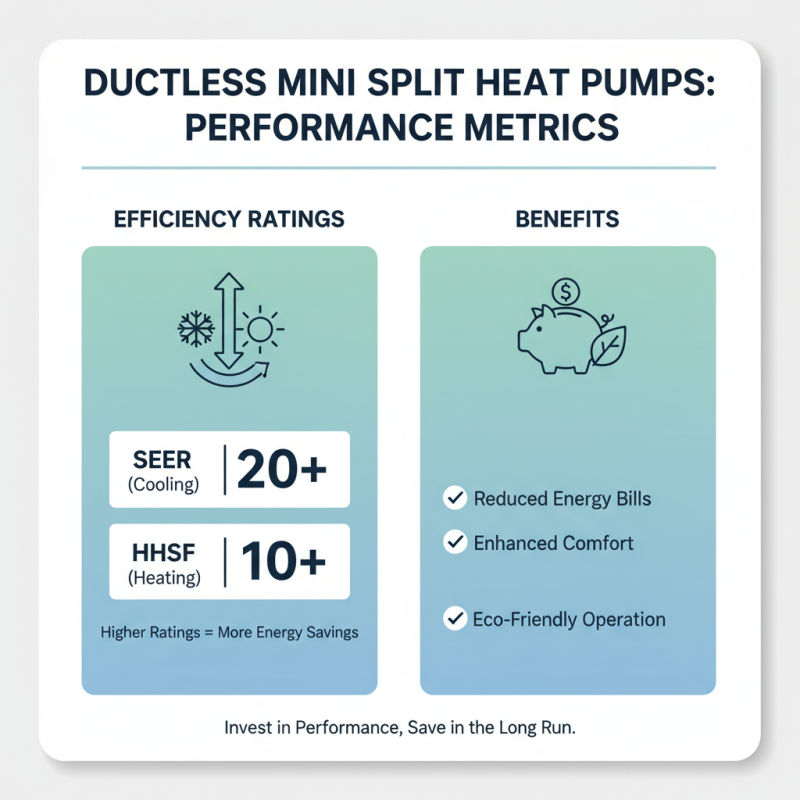
When selecting a ductless mini split heat pump, it's essential to evaluate various performance metrics. Start by assessing the unit's efficiency rating, often denoted as SEER and HSPF. Higher ratings indicate better energy savings and performance, which can substantially reduce your monthly bills.
Look at the noise level, too. Some models may operate more quietly than others. This aspect is crucial in residential settings where comfort matters. Additionally, consider the heating and cooling capacity. It should match the size of your room for optimal performance. An oversized system can lead to inefficiencies, while an undersized one struggles to maintain desired temperatures.
Don't overlook features like smart technology and ease of installation. Some units come with Wi-Fi capabilities, allowing remote control. This feature can enhance user experience but may also require reliable internet access. Research thoroughly. Compare reviews and specifications. It's easy to get overwhelmed by choices, but careful consideration will lead to a suitable decision. Aim for a balance between price, features, and long-term savings. The right choice makes a difference in overall comfort and efficiency.