How to Choose the Best Mini Split Smart Thermostat for Your Home
As homeowners increasingly seek energy-efficient solutions to optimize their indoor climate, the adoption of mini split smart thermostats has surged. According to a report by the U.S. Department of Energy, smart thermostats can help reduce heating and cooling costs by up to 10-15%, making them a financially savvy choice. However, with a myriad of options available, choosing the best mini split smart thermostat for your home can be a daunting task.
In 2025, the landscape of mini split smart thermostats is expected to evolve further, with advancements in technology and smart home integration leading the way. A recent study by MarketsandMarkets predicts that the global smart thermostat market will reach $4.4 billion by 2027, driven by consumer demand for convenience, energy efficiency, and seamless connectivity. As consumers evaluate their options, it is essential to consider factors such as compatibility with existing HVAC systems, user interface design, and the ability to integrate with home automation systems.
This guide will explore the top five mini split smart thermostats of 2025, providing critical insights to help homeowners make informed decisions that enhance comfort and maximize savings. With the right mini split smart thermostat, the promise of a personalized and energy-efficient home is within reach.
Understanding Mini Split Systems and Thermostats
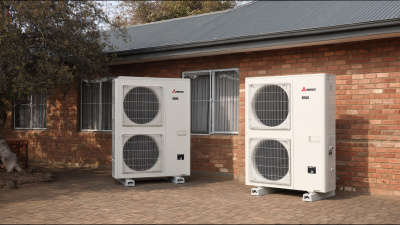
Mini split systems are a popular choice for heating and cooling homes because of their energy efficiency and flexibility. These ductless systems consist of an outdoor compressor unit and one or more indoor air handlers, allowing homeowners to control the temperature in different rooms independently. Understanding how mini split systems work is crucial when selecting the best smart thermostat to optimize their performance. It’s important to consider compatibility, as not all thermostats are designed to work with mini splits.
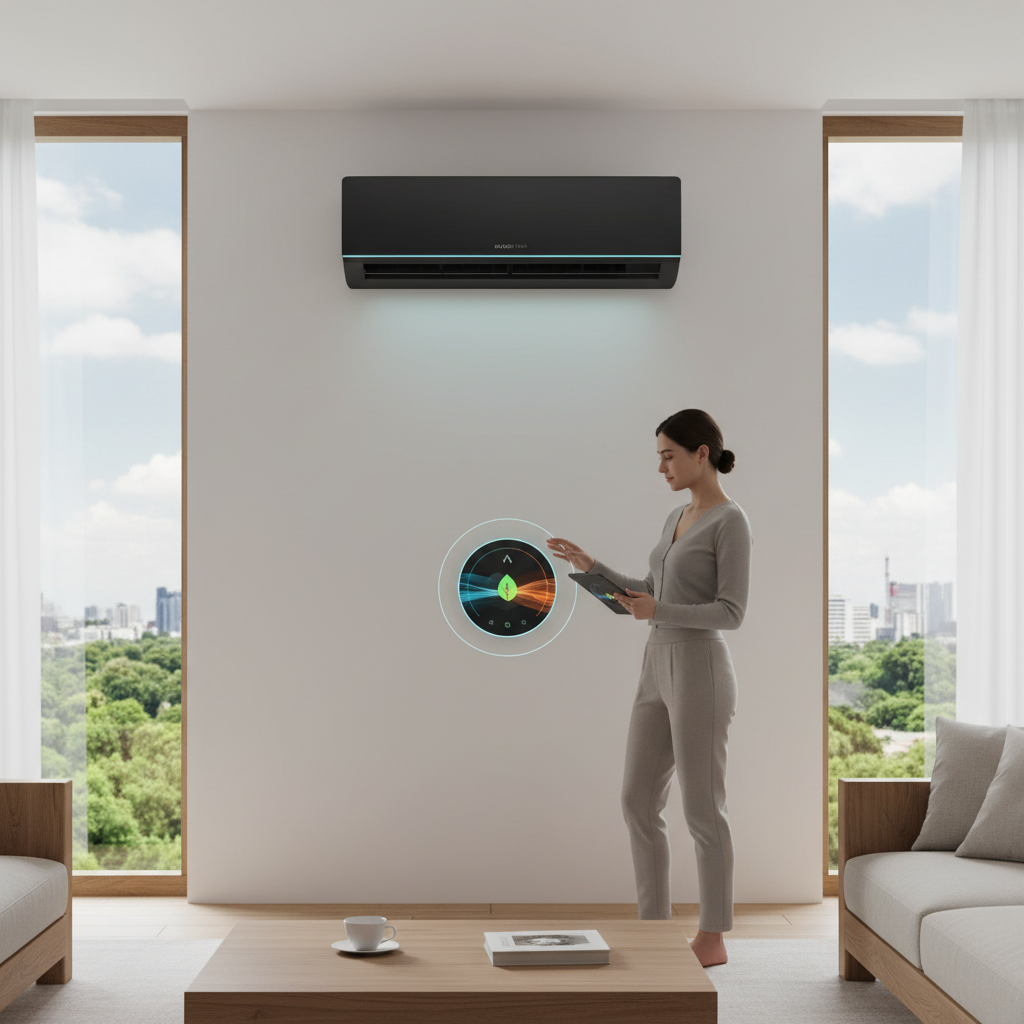
When choosing a smart thermostat for your mini split system, look for features that enhance usability and efficiency. Programmable settings can help you maintain comfort while saving energy, adjusting temperatures based on your daily schedule. Additionally, consider models that offer Wi-Fi connectivity, enabling remote control via smartphone apps. Some advanced options even provide energy usage reports, helping you monitor and fine-tune your system for optimal performance. By evaluating these factors, you can select a thermostat that not only complements your mini split system but also elevates your home's climate control experience.
Key Features to Look for in a Smart Thermostat
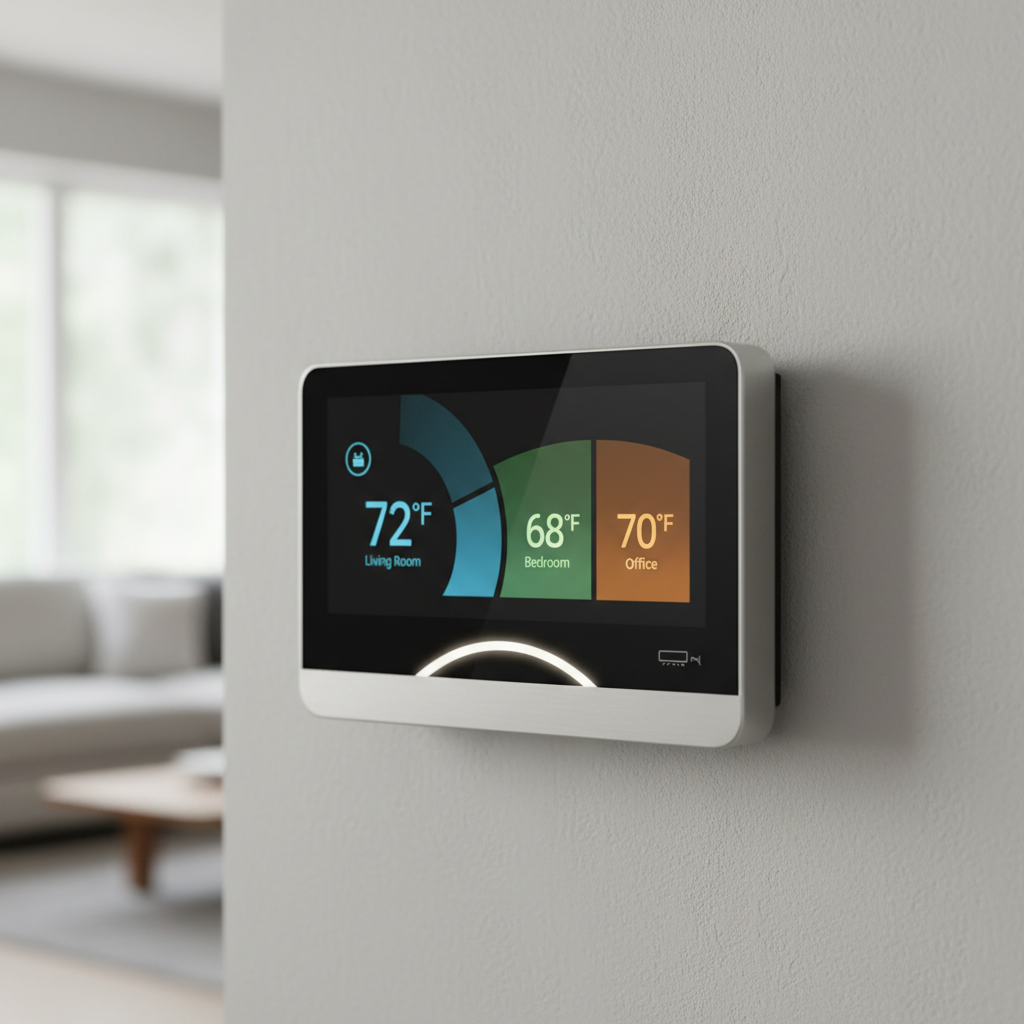
When selecting a mini split smart thermostat for your home, there are several key features to consider to ensure optimal performance and convenience. First, compatibility with your existing heating and cooling system is crucial. Verify that the smart thermostat is designed to work with mini split systems, as not all models offer this compatibility. Additionally, look for a thermostat that supports multi-zone control, allowing you to customize temperatures in different areas of your home for added comfort and energy savings.
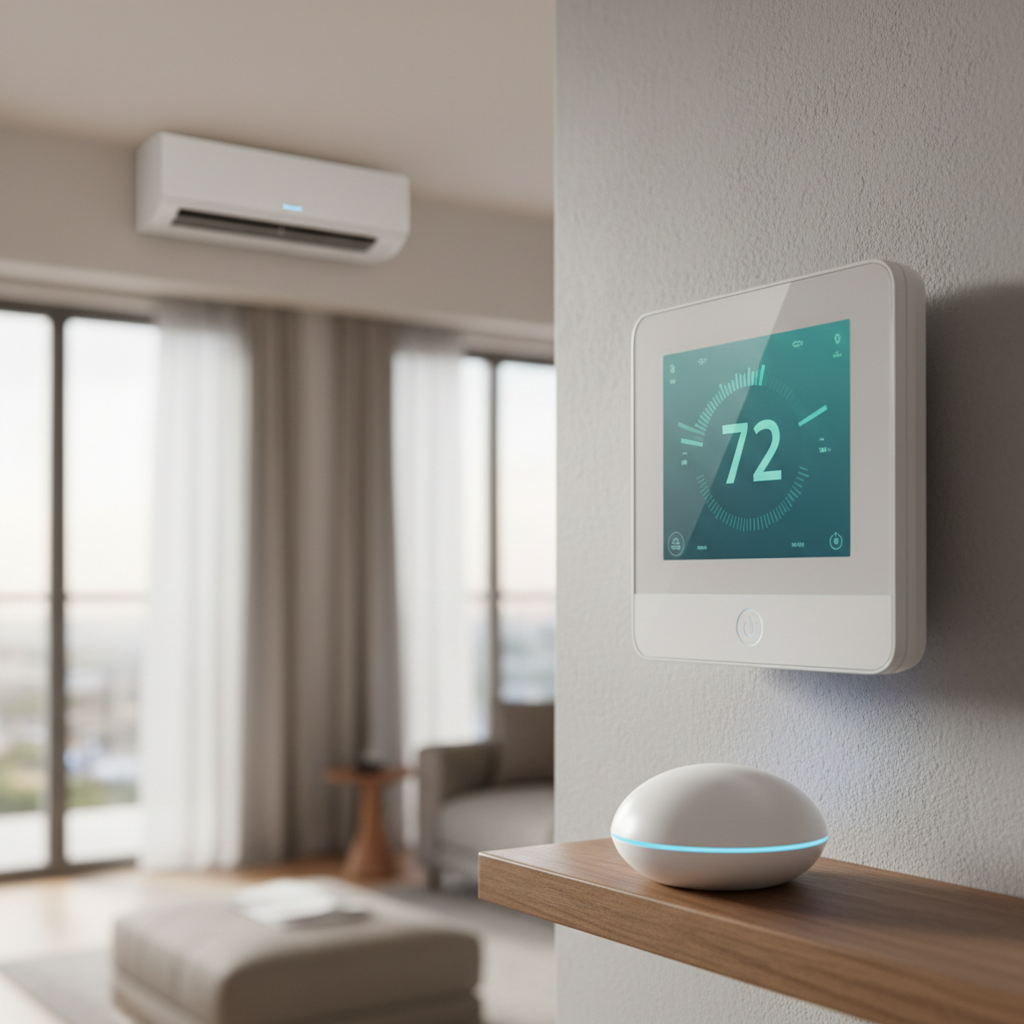
Another important feature is user-friendly connectivity. A smart thermostat should have the ability to connect seamlessly to your home Wi-Fi network, enabling remote access via smartphone apps or voice-activated devices. This feature allows you to adjust settings, monitor energy usage, and receive system alerts while you are away. Moreover, consider models with advanced learning capabilities that can adapt to your schedule and preferences over time. This not only enhances comfort but also optimizes energy efficiency, helping to lower utility bills.
Evaluating Compatibility with Your Mini Split System
When choosing a mini split smart thermostat, the first step is to evaluate its compatibility with your specific mini split system. Not all thermostats can communicate effectively with every model. Make sure to check the manufacturer’s specifications and guidelines. Compatibility extends beyond just physical connections; it includes control protocol and communication technology, which can vary significantly between systems.
Tips: Always verify if the thermostat supports your HVAC system's features, such as multi-zone control and variable speed operation. Additionally, consider whether it integrates well with other smart home devices, enhancing your overall home automation experience. Checking for updates or newer models may also reveal thermostats specifically designed for energy efficiency and convenience.
Moreover, consider the type of refrigerants your mini split uses, as new regulations are impacting HVAC technologies. Ensure your chosen thermostat can adapt to or control systems that utilize these new refrigerants, facilitating energy-saving practices while maintaining optimal comfort levels in your home.
Top Brands and Models of Mini Split Smart Thermostats
When selecting a mini split smart thermostat, it's crucial to consider the top brands and models that stand out in today's market. Prominent names such as Ecobee, Nest, and Honeywell offer cutting-edge features designed for compatibility and efficiency with mini split systems.
Ecobee, for instance, is acclaimed for its room sensors that help regulate temperature throughout your home, ensuring optimal comfort in every corner while also being energy-efficient. Furthermore, it integrates seamlessly with various smart home ecosystems, making it a versatile choice for interconnected living.
Nest, known for its sleek design and user-friendly interface, provides advanced learning capabilities that adapt to your lifestyle. It keeps track of your heating and cooling habits and adjusts the temperature accordingly, which can lead to significant energy savings. Additionally, Honeywell presents a range of options, particularly the Home T9 model, which offers zone control features and can manage multiple mini split systems within the same household.
With options available that suit different preferences and budgets, understanding the features and benefits of these leading brands is essential for choosing the best thermostat for your mini split system.
Installation and User Experience Considerations
When selecting a mini split smart thermostat, installation and user experience are critical factors to consider. Proper installation can significantly affect the thermostat's performance and efficiency. Many models offer DIY installation options, which can be appealing for tech-savvy homeowners looking to save on labor costs. However, it's essential to assess your comfort level with electrical systems and HVAC components. Consulting with a professional installer may provide peace of mind and ensure that the thermostat integrates seamlessly with your mini split system.
User experience encompasses both interface design and functionality. An intuitive app or touchscreen interface can enhance your interaction with the thermostat, making it easier to adjust settings or monitor energy usage. Additionally, look for features such as geofencing, learning capabilities, and voice control to further enhance convenience. Compatibility with your other smart home devices is another aspect to consider so you can create a cohesive smart environment. Prioritizing these installation and user experience elements will help ensure that the smart thermostat you choose performs effectively and meets your lifestyle needs.
How to Choose the Best Mini Split Smart Thermostat for Your Home - Installation and User Experience Considerations
| Feature |
Description |
Considerations |
| Compatibility |
The thermostat should be compatible with your mini-split AC system. |
Check the specifications of both the AC system and the thermostat. |
| Connectivity |
Supports Wi-Fi and/or Zigbee connectivity for remote control. |
Ensure your home network supports the thermostat's connection type. |
| Smart Features |
Includes features like scheduling, geofencing, and energy usage reporting. |
Evaluate which smart features are necessary for your lifestyle. |
| Ease of Installation |
User-friendly installation process with clear instructions. |
Consider hiring a professional if unsure about installation. |
| Mobile App |
Availability of a robust mobile app for control and monitoring. |
Check reviews for app usability and features. |
| Price |
Varies significantly based on brand and features. |
Set a budget but consider long-term savings from energy efficiency. |
| User Reviews |
Feedback from existing users on performance and reliability. |
Look at multiple sources for a well-rounded view. |