How to Choose the Right DC Isolation Switch for Your System?
Choosing the right DC Isolation Switch is crucial for ensuring the safety and efficiency of your electrical system. The DC Isolation Switch plays a vital role in isolating sections of a photovoltaic or electrical circuit. This switch allows for maintenance and repair without shutting down the entire system. Selecting a suitable switch can be challenging, given the various models and specifications available in the market.
Consider factors such as voltage rating, current rating, and environmental conditions. A mismatch in specifications can lead to failures or safety hazards. Additionally, pay attention to features like the ease of operation and durability. It’s important not to overlook the installation process. Some switches require professional installation, adding to the overall cost.
Reflecting on these factors is essential. The wrong choice can lead to operational inefficiencies. It’s important to weigh your options. Look for user reviews and expert recommendations. A thoughtful selection can enhance the reliability of your system. Ultimately, investing time in choosing the right DC Isolation Switch is worthwhile for your system’s long-term performance.
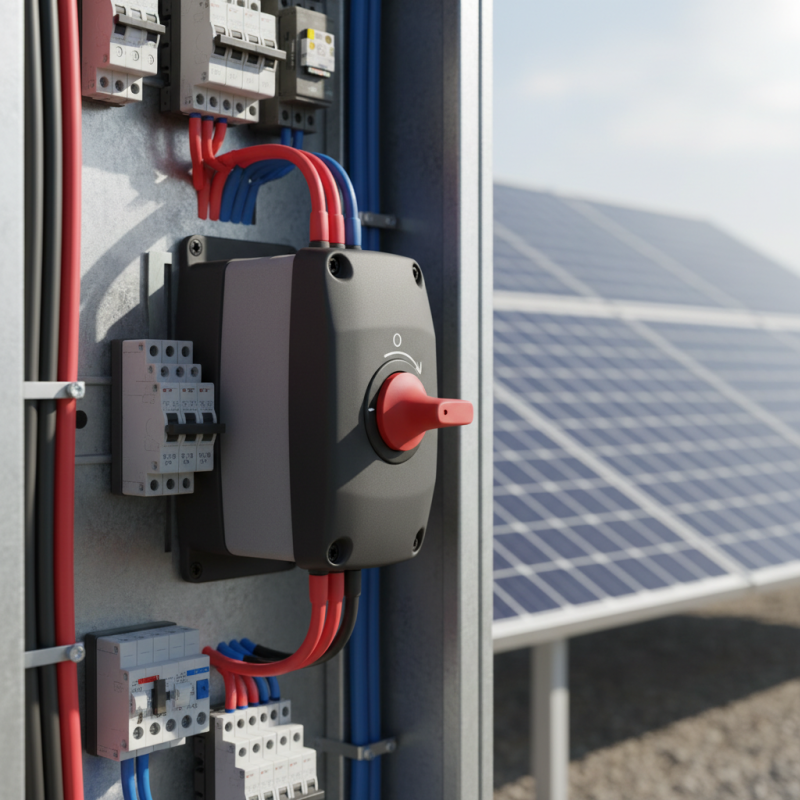
Understanding the Basics of DC Isolation Switches
DC isolation switches are critical components in electrical systems. They provide a way to safely disconnect DC circuits from power sources, ensuring safety during maintenance and operation. Understanding their basics is essential for effective selection.
These switches are designed to handle high voltage and current levels. They prevent electrical faults and allow for safe maintenance. Proper ratings are necessary to avoid overheating or failures. Users must consider the switch's voltage and current ratings, as these will affect system performance.
Some may overlook the importance of proper installation. Misguided installation can lead to malfunction. Regular inspections can help identify wear or issues. Balancing performance and safety must be a priority. Ultimately, understanding the nuances of DC isolation switches helps ensure reliability in your system.
Key Factors to Consider When Selecting a DC Isolation Switch
Choosing the right DC isolation switch is critical for safe and efficient operations. One key factor to consider is the voltage rating. Ensure the switch can handle your system's maximum voltage. Underestimating this could lead to failures. Pay attention to the current rating as well. A switch must support the load without overheating or malfunctioning.
Another important aspect is the installation environment. Is it indoors or outdoors? Will it face extreme temperatures? Select a switch designed for such conditions. This helps maintain performance and longevity. A reliable switch can significantly impact system reliability.
**Tips:** Regularly inspect the switch for wear. A visible crack can lead to dangerous situations. Consider the switch's ease of operation. It should be user-friendly, especially for quick access during maintenance. Lastly, review the safety features in place. They can protect you from unexpected issues.
How to Choose the Right DC Isolation Switch for Your System?
This bar chart illustrates the key factors to consider when selecting a DC isolation switch, such as current rating, voltage rating, number of poles, operating temperature, and enclosure type. Each factor is rated to help guide the selection process.
Different Types of DC Isolation Switches Available in the Market
When selecting a DC isolation switch, it's essential to understand the types available in the market. There are several categories, each designed for specific applications. One common type is the knife switch. This switch offers a simple on/off mechanism and is often used in low-voltage scenarios.
Another option is the rotary switch. These switches are versatile and can manage multiple circuits. They offer an easy way to toggle between different configurations. The third type is the push-button switch, known for its compact design and convenience. It's useful in applications where space is limited.
Tips: Ensure the switch can handle the voltage and current of your system. Often, the specifications can be misleading. Research the product carefully. Consider the installation environment too. Switches exposed to harsh conditions may require additional protection. Regularly assess the switch for wear or damage. This can prevent unexpected failures.
Evaluating Voltage and Current Ratings for Your System Needs
When selecting a DC isolation switch, understanding voltage and current ratings is crucial. Every system has unique requirements. A mismatch can lead to serious issues, including equipment failure. Before making a decision, evaluate the maximum voltage your system operates at. Exceeding this limit may cause the switch to fail. It's essential to account for any potential spikes in voltage, which can occur during operation.
Current ratings are equally important. Determine the maximum current the switch will need to handle. A switch rated too low will overheat and potentially burn out. Take note of factors like ambient temperature; they can affect ratings. Sometimes, users underestimate these variables. It’s vital to consult technical specifications carefully.
Many users overlook the environment in which the switch will operate. Moisture and dust levels can impact performance. Regular maintenance is necessary to ensure reliability. Users should also reflect on their past choices. Were they based on sufficient research? Learning from earlier experiences can guide future decisions. Consider all aspects before making your choice.
How to Choose the Right DC Isolation Switch for Your System?
Evaluating Voltage and Current Ratings for Your System Needs
| Parameter | Description | Recommended Values | Common Applications |
| Voltage Rating | The maximum voltage the switch can handle. | 12V, 24V, 48V, 600V | Solar systems, Electric vehicles |
| Current Rating | The maximum current the switch can safely conduct. | 10A, 20A, 40A, 100A | Battery management systems, DC power supplies |
| Breaking Capacity | The maximum overload the switch can interrupt before failing. | 100A @ 48V | Industrial applications |
| Environmental Rating | Protection against dust and moisture. | IP65, NEMA 4 | Outdoor installations, Harsh environments |
| Isolation Type | Type of isolation provided by the switch. | Single-pole, Double-pole | Residential, Commercial systems |
Maintenance and Safety Considerations for DC Isolation Switches
When selecting DC isolation switches, maintenance and safety should be at the forefront. Regular maintenance is vital to ensure these switches function correctly. The U.S. Department of Energy reports that up to 40% of all electrical failures occur due to lack of maintenance. This highlights the importance of routine checks and timely replacements of worn-out parts. Every year, thousands of accidents occur due to improper handling and maintenance practices.
In many systems, operators may not know the exact specs of their DC isolation switches. This could lead to oversights that compromise safety. Reports show that over 30% of electrical system failures stem from incorrect installation or inadequate inspection processes. Operators need clear procedures for checking voltage levels and ensuring proper disconnection. Ensuring all personnel are adequately trained is often overlooked. A lack of training can contribute to accidents and system failures.
Over time, dust and moisture can affect the reliability of switches. Regular cleaning and inspections can prevent issues. An industry study found that only 60% of companies perform routine maintenance on their isolation switches. This complacency can be dangerous. Reflecting on current protocols can help identify gaps. Keeping a detailed log of maintenance and inspections may provide insights to improve safety and efficiency.