2026 How to Choose the Right Ductless Heat Pump for Your Home?
Choosing the right ductless heat pump for your home can be challenging. Many factors influence this decision. Understanding your specific needs is crucial. Ductless heat pumps are efficient, but they come with various options. Each model has its own features. You must consider the size of your space. A heat pump that’s too small will struggle to heat or cool effectively.
Energy efficiency is another important factor. Look for models with high SEER ratings. This will ensure lower utility bills over time. Installation requirements also vary. Some units need professional help, while others are more DIY-friendly. Consider how much you are willing to spend upfront. Quality often comes with a higher price tag.
Ultimately, it’s about finding a balance. Research is essential, and user reviews can provide valuable insights. Don’t rush your decision. Reflect on your priorities before committing. A well-chosen ductless heat pump can enhance your comfort and energy efficiency for years.
Understanding Ductless Heat Pumps and Their Benefits
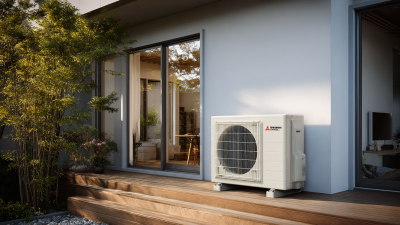
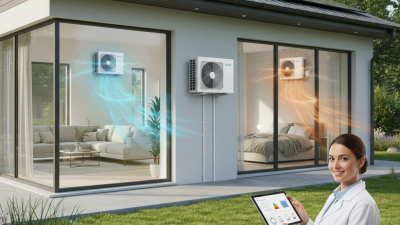
Ductless heat pumps are an efficient heating and cooling solution for many homes. They consist of an outdoor compressor unit and one or more indoor air handling units. This setup allows for zone-based temperature control, meaning different rooms can be heated or cooled independently. Homeowners often appreciate this flexibility, but installation and selection require careful thought.
One key benefit of ductless heat pumps is their energy efficiency. They use less energy compared to traditional heating systems. This can lead to lower utility bills. The ability to customize temperature settings in various zones may also enhance comfort. However, potential buyers should be cautious. It is crucial to assess insulation quality and existing heating methods in your home. Poor insulation can reduce the effectiveness of the system.
Another aspect to consider is noise level. Some indoor units can be noisier than expected. Researching models with a lower decibel rating can help. Additionally, professional installation is recommended for optimal performance. Improper installation might lead to inefficient operation or increased wear. Striking a balance between efficiency, comfort, and cost is essential when choosing the right ductless heat pump.
Assessing Your Home's Heating Needs and Requirements
When selecting a ductless heat pump, assessing your home’s heating needs is paramount. Start by evaluating the square footage of the area needing heat. According to the U.S. Department of Energy, a heat pump must provide about 20 BTUs per square foot of space. This is a crucial benchmark for determining the right system size.
Next, consider your home’s insulation quality. A well-insulated home retains heat better. Older homes often struggle with insulation, leading to increased energy costs. The International Energy Conservation Code suggests insulating between R-30 to R-60 for attics. Understanding these specifics can help you avoid oversizing or undersizing the heat pump.
Additionally, think about the climate in your area. Regions with extreme temperatures may require a more powerful heat pump. The average seasonal efficiency rating, or SEER, should also be noted. The minimum SEER ratings vary, but a higher SEER often indicates better efficiency. Low-efficiency systems can lead to higher utility bills. Knowing these factors helps in making an informed choice.
2026 How to Choose the Right Ductless Heat Pump for Your Home? - Assessing Your Home's Heating Needs and Requirements
| Heating Requirement (BTU) |
Room Size (sq ft) |
Heat Pump Type |
Efficiency Rating (SEER) |
Estimated Cost ($) |
| 12,000 |
500 |
Mini-Split |
20 |
2,500 |
| 18,000 |
800 |
Multi-Zone |
22 |
3,200 |
| 9,000 |
300 |
Single-Zone |
19 |
2,000 |
| 24,000 |
1,200 |
Whole House |
23 |
4,500 |
Key Features to Look for in a Ductless Heat Pump
When selecting a ductless heat pump, understanding key features is essential. Energy efficiency is often a top priority. The Seasonal Energy Efficiency Ratio (SEER) and Heating Seasonal Performance Factor (HSPF) are critical metrics. A higher SEER rating indicates better cooling efficiency. According to the U.S. Department of Energy, modern units can exceed a SEER of 20, which significantly lowers energy costs compared to older models.
Another important aspect is the size of the unit. An improperly sized heat pump might not perform effectively. A professional assessment can determine the right capacity for your home. Oversized units can lead to frequent cycling, affecting comfort and increasing energy consumption. In fact, studies show that undersized units struggle to maintain temperature, leading to higher energy bills.
Additionally, check for advanced features such as Wi-Fi controls and smart thermostats. These technologies allow for remote management and optimization of energy use. While these features add initial costs, they can yield long-term savings and enhanced comfort. Always look for warranties and customer support options; they reflect the manufacturer's commitment to quality and reliability.
2026 Ductless Heat Pump Comparison
Choosing the Right Size and Capacity for Efficient Heating
When selecting a ductless heat pump, the size and capacity are crucial factors. An undersized unit may struggle to heat your space, while an oversized model can lead to wasted energy. A proper assessment ensures optimal performance and comfort. Consider measuring the square footage of the area you wish to heat. This essential step helps in determining the necessary BTU rating for efficient heating.
Tips for choosing the right size:
- Analyze insulation levels. Well-insulated homes require less heating power.
- Factor in the number of windows, their size, and orientation. More glass can increase heat loss.
- Account for your climate. Colder regions may necessitate a higher capacity unit.
Reflect on your specific needs. A larger family might benefit from multiple zones, while a small space could suffice with a single unit. Think about future changes as well. Will you add more rooms? Planning for expansion can save you time and money.
Sizing a ductless heat pump is not merely about calculations. Ensure you balance efficiency with comfort. Engage with a professional for a thorough evaluation. This can lead to better long-term satisfaction with your heating system.
Installation Considerations for Ductless Heat Pumps
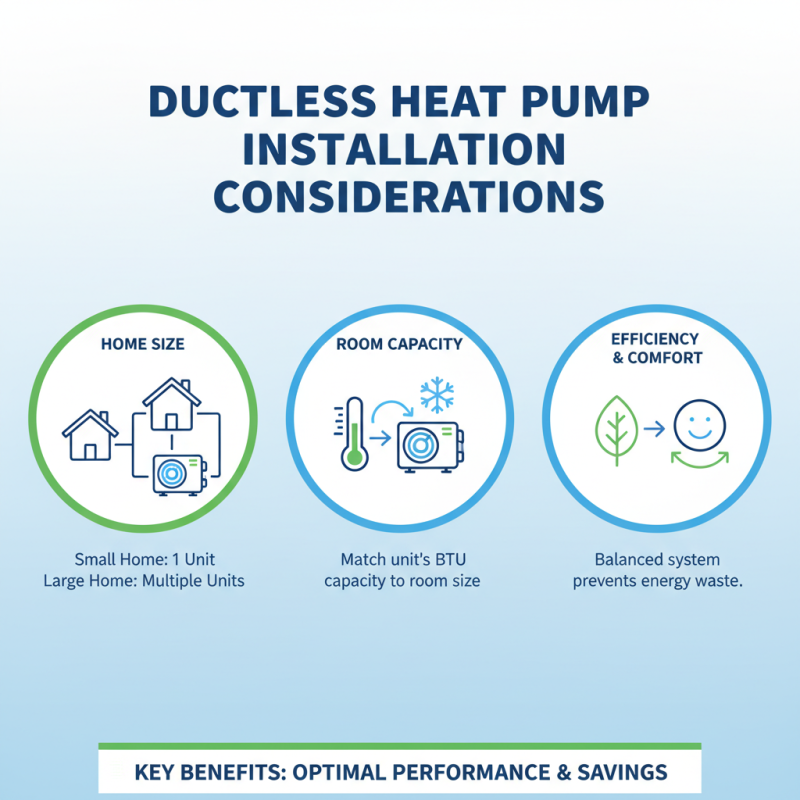
When installing a ductless heat pump, several critical factors come into play. Consider the size of your home. A smaller space may require just one indoor unit, while larger areas benefit from multiple units. Each unit's capacity should match the room's heating and cooling needs to ensure efficiency. This balance prevents energy waste and maximizes comfort.
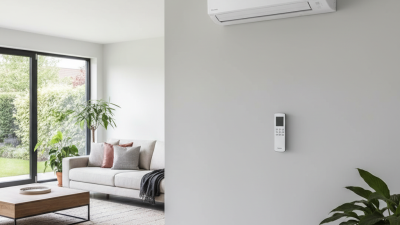
Placement is another crucial aspect. Indoor units should be strategically located for optimal airflow. Avoid corners or spaces blocked by furniture. It’s essential to consult HVAC professionals who can evaluate your home's layout. They can help determine the best location for each unit to enhance performance. Moreover, wall mounts might not be ideal for every setting. You may need floor-mounted or ceiling-mounted options in certain rooms.
Electrical requirements must also be assessed during installation. Ensure your existing electrical system can handle the added load. This step often requires professional input for safety and compliance. Additionally, consider the noise level of the units. Some models operate quietly, while others can be disruptive, especially in bedrooms. Proper insulation and installation techniques can help mitigate potential sound issues.