How to Choose the Right Ductless Heat Pump System for Your Home?
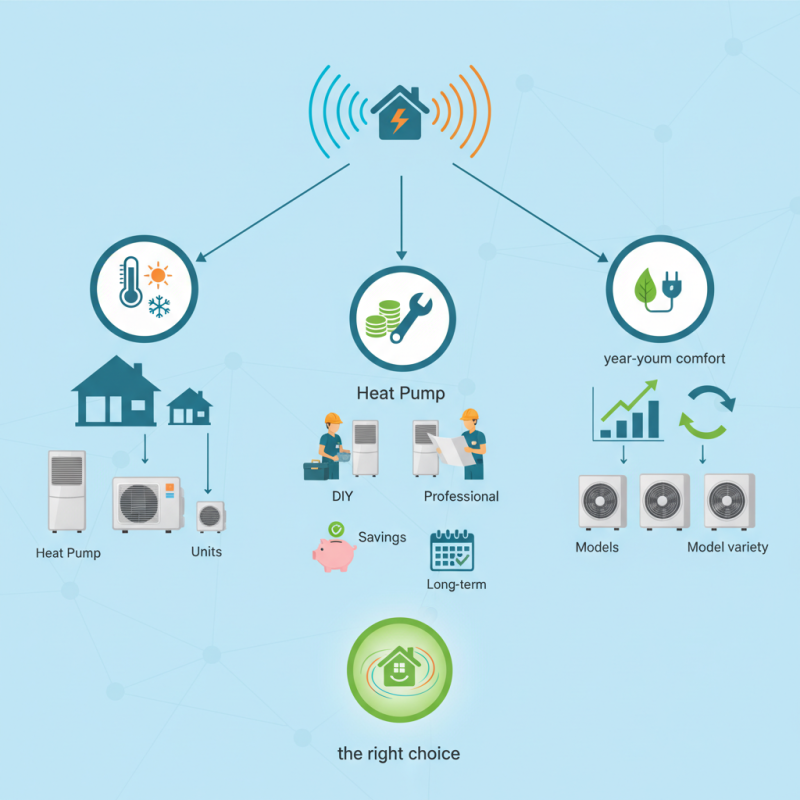
Choosing the right ductless heat pump system can be challenging. You must consider several factors before making a decision. Understanding your home's specific heating and cooling needs is crucial. Ductless systems are versatile and can provide comfort year-round.
These systems are energy-efficient, but not all models are alike. You might encounter units designed for large spaces or smaller, more compact ones. Assessing the layout of your home will help you choose the right size and capacity.
Installation is another important aspect. Some homeowners opt for DIY solutions, while others prefer professional help. Both options have pros and cons. Be mindful of installation costs and maintenance requirements. Consider your long-term comfort and energy savings when selecting a ductless heat pump system for your home.
Understanding Ductless Heat Pump Systems: An Overview
Ductless heat pump systems have gained popularity due to their efficiency. Unlike traditional systems, they do not require ductwork. A report from the U.S. Department of Energy noted that ductless heat pumps can save homeowners up to 30% on energy bills. This is significant, especially in areas with extreme temperatures.
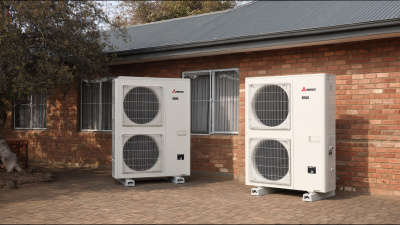
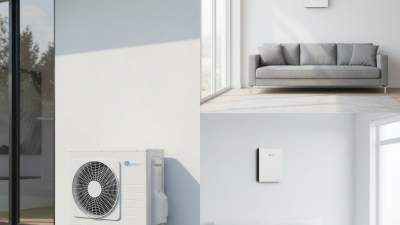
Understanding how these systems work is crucial. They consist of an outdoor unit and one or more indoor units. The outdoor unit absorbs heat from the air outside. It then transfers this heat indoors through refrigerant lines. One common misconception is that they only work in mild climates. In fact, modern models can effectively heat in colder conditions, often down to 5°F (-15°C).
Installation can pose challenges. Homes lacking existing ductwork may require additional modifications. Improper sizing can lead to inefficiency. Too small a system can struggle to maintain comfort, while too large a system can cycle on and off frequently, wasting energy. It's essential to assess your home's heating needs carefully. Consulting with a knowledgeable technician is a good starting point. They can help evaluate your space and ensure an optimal fit.
Energy Efficiency Ratings of Ductless Heat Pump Systems
Key Factors to Consider When Choosing a Ductless Heat Pump
When selecting a ductless heat pump system, several key factors should guide your decision. Efficiency is crucial. According to the U.S. Department of Energy, ductless systems can be up to 30% more efficient than traditional heating methods. You should also look at the Seasonal Energy Efficiency Ratio (SEER), which measures cooling efficiency. A higher SEER indicates better performance and potential savings on energy bills.
Another essential factor is the installation space. Ductless heat pumps require both an indoor and outdoor unit. It’s important to consider the layout of your home. Ensure there is enough space for installation, and evaluate the distance between units. Improper installation can lead to decreased efficiency and comfort.
While ductless heat pumps are generally versatile, they may not suit every home. Older homes with inadequate insulation might not benefit as much. The noise level of outdoor units can also be a concern. Some units operate quietly, while others can be intrusive. Assess your surroundings to avoid conflicts with neighbors or family. Balancing efficiency, installation requirements, and your specific living conditions is vital for a successful choice.
Evaluating Energy Efficiency Ratings for Heat Pumps
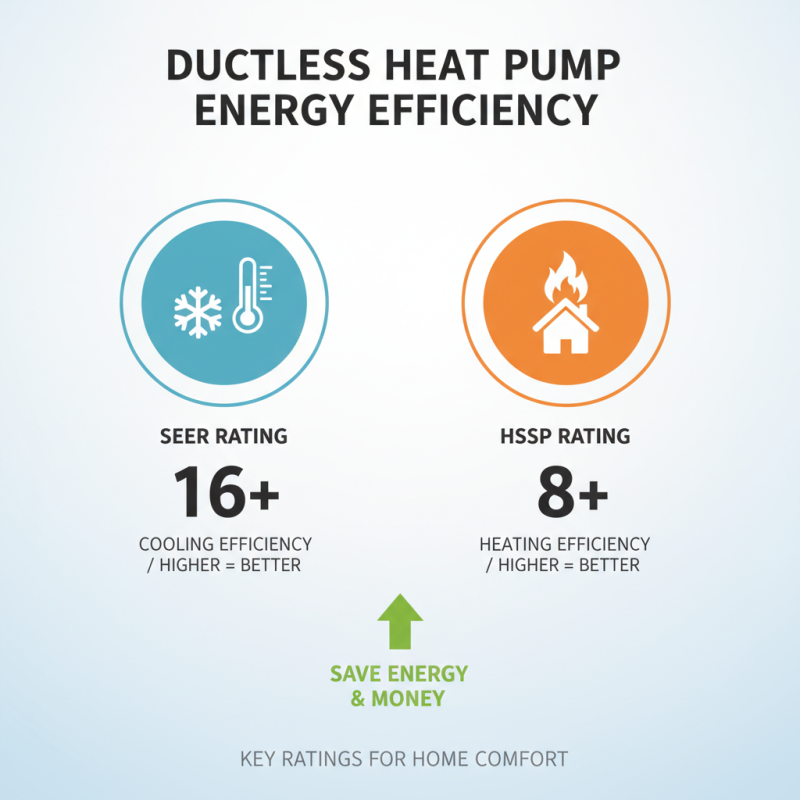
When choosing a ductless heat pump, energy efficiency ratings play a crucial role. These ratings indicate how effectively a system will heat or cool your home. Look for the Seasonal Energy Efficiency Ratio (SEER) and Heating Seasonal Performance Factor (HSPF) ratings. Higher numbers mean better efficiency. A good SEER rating usually starts at 16, while an HSPF above 8 is desirable.
Consider your local climate when evaluating these ratings. In colder regions, a heat pump's performance diminishes. An efficient model may struggle to maintain warmth during harsh winters. You may find it beneficial to combine a ductless system with a supplemental heating source. Additionally, not every home is suitable for ductless models. Space constraints and insulation quality are important factors. Testing your home’s energy loss can help gauge potential effectiveness.
Reflect on your long-term energy costs. A more efficient system may have a higher upfront cost but will save money over time. Sometimes, it’s hard to see the full picture. Too often, homeowners overlook the impact of installation quality on efficiency. A poor installation can negate any potential savings. Always ask for reputable installation contractors to ensure your investment pays off.
Comparing Installation Costs and Maintenance Requirements
When considering a ductless heat pump system, installation costs can vary significantly. Factors like the size of your home and the number of indoor units needed affect the price. A small home may require only one or two units, which reduces the installation cost. However, larger homes might need multiple units for optimal heating and cooling. Always discuss installation costs with your contractor. Get multiple quotes before making a decision.
Maintenance requirements are also crucial. Ductless systems generally require less maintenance than traditional HVAC systems. Regular cleaning of the filters is essential. Dirty filters can hinder performance and increase energy costs. It's advisable to schedule professional maintenance at least once a year.
Tips for upkeep include checking the outdoor unit for debris. Leaves and dirt can obstruct airflow. If you notice unusual sounds or decreased performance, contact a professional. Small issues can escalate into costly repairs if not addressed promptly. Always remember that proactive care can save you money in the long run.
How to Choose the Right Ductless Heat Pump System for Your Home? - Comparing Installation Costs and Maintenance Requirements
| System Type |
Installation Cost ($) |
Annual Maintenance Cost ($) |
Energy Efficiency Rating (SEER) |
Average Lifespan (Years) |
| Single Zone Mini Split |
$3,000 - $5,000 |
$150 - $250 |
18 - 22 |
15 - 20 |
| Multi Zone Mini Split |
$6,000 - $12,000 |
$200 - $350 |
20 - 26 |
15 - 25 |
| Ducted Heat Pump |
$7,000 - $14,000 |
$250 - $400 |
16 - 21 |
15 - 30 |
| Portable Heat Pump |
$1,000 - $3,000 |
$100 - $150 |
10 - 14 |
5 - 10 |
Identifying the Best Size and Capacity for Your Home
When selecting a ductless heat pump system, size and capacity are crucial. A unit that is too small may struggle to heat or cool your space effectively. Conversely, an oversized unit can lead to high energy bills and discomfort from uneven temperatures. Measure your home's square footage first.
Then, consider the layout and insulation quality. These factors affect the overall heating or cooling demands.
Room orientation matters too. South-facing rooms receive more sunlight. This can increase heating needs, while shaded areas may require less. Also, the ceiling height plays a role. Higher ceilings can lead to more air volume, influencing the required capacity.
Take your time assessing these details. Failing to size properly can result in performance issues. You might notice temperature fluctuations. This could lead to frequent on-off cycling, wasting energy. It’s often wise to consult an expert. They can provide valuable insights on your specific situation. Remember, investing time in proper sizing will enhance comfort and efficiency in the long run.