Choosing the right Odor Control Cat Litter is about more than masking smells. A strong perfume may cover odors for people while bothering a cat’s sensitive nose. Cat behaviorist Jackson Galaxy has described the litter box as “the most important piece of real estate in your cat’s world.” That perspective makes comfort and cleanliness central to any buying decision. The best option should control everyday odors without making your cat avoid the box.
Start with the details you can observe. Does the litter clump firmly? Can you scoop it without leaving damp crumbs behind? Is the scent mild, or does it linger in the room? Unscented clumping litter works well for many homes, but no product suits every cat. Texture, dust, box placement, and cleaning habits all matter. A covered box may contain some odor, yet it can also trap smells inside. That trade-off deserves a closer look.
This guide compares common litter types, odor-control ingredients, dust levels, and practical costs. It also explains how daily scooping and regular box washing affect results. Small details matter. A bag label cannot tell you how your cat will respond, so watch for changes in box use after switching. If odor remains strong despite routine cleaning, consider the litter box setup and your cat’s health, rather than adding more fragrance. No formula is perfect. The goal is a cleaner-smelling home and a box your cat will willingly use.
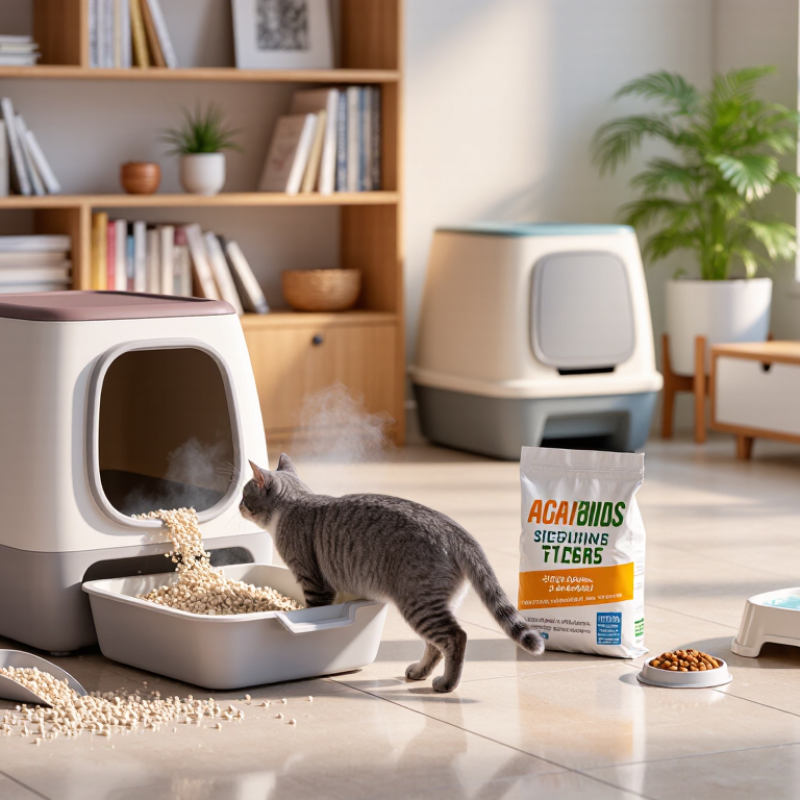
Understanding how cat litter controls odors starts with what creates them. Urine and waste release odor as they sit, especially when moisture remains in the box. Absorbent litter takes up liquid, while clumping formulas trap wet material into scoops that can be removed. Odor has a source. Removing waste regularly often matters more than a strong scent.
Some litters also use activated carbon or other adsorbent materials to capture odor molecules. These can help, but they do not make a dirty box maintenance-free. Fragrance mainly covers smells; it may not suit cats that avoid scented products. A practical test is to notice whether odor returns soon after scooping, and whether your cat still uses the box comfortably. I used to focus too much on the package’s odor claims. The box’s location, airflow, litter depth, and cleaning routine can change the result. Small details count.
If smells persist despite daily waste removal, check for damp litter stuck to the bottom or sides. Wash and dry the box during full litter changes, following the litter’s care guidance. A sudden change in urine or stool odor can also reflect a health issue, so observe your cat’s habits rather than assuming the litter is always to blame.
Odor control starts with your cat, not the litter’s scent. APPA’s 2023–2024 National Pet Owners Survey estimated that 46.5 million U.S. households had cats, but each home has different needs. Note your cat’s age, mobility, coat, and usual habits. A senior cat may need a low-entry tray nearby. A long-haired cat may track fine litter onto rugs. Small detail, big difference.
Household layout matters just as much. The AAFP and ISFM recommend providing one litter box per cat, plus one extra, in separate accessible locations. A box beside a noisy washer may stay unused, even if the litter controls odor well. In a small apartment, ventilation and daily scooping become especially important. Keep boxes away from food and water, and avoid masking smells with strong fragrance; some cats may reject scented litter. Watch what happens after a change. Clumping, dust, and tracking can matter more than the package promises.
I may be giving odor control too much weight here. A clean-smelling room is not proof that a cat likes the setup. If your cat avoids the box, check its location, cleanliness, and texture before switching products again. Make one change at a time, then observe for several days. An imperfect routine is still useful evidence.
Assessing your cat’s needs and household conditions
A commonly recommended starting point is one litter box per cat, plus one extra. More boxes can help reduce crowding and give cats more choices, but odor control also depends on daily scooping, suitable litter, and adequate ventilation. Adjust the setup to your cats’ habits and your home.
Clay litter usually forms tight clumps, making daily removal straightforward. Its fine grains can track onto a hallway mat, though. Silica crystals absorb moisture and can stay dry between cleanings, but they still need regular stirring and replacement. Plant-based litters, made from materials such as wood, paper, or corn, vary in texture and absorbency. Some cats reject unfamiliar pellets. Fit matters.
Odor control depends on more than the material. Scoop waste at least once a day, wash the box regularly, and keep it in a ventilated spot away from damp corners. A thin layer of activated carbon may help trap odors; heavy fragrance mostly covers them and can bother sensitive cats. Not magic. A covered box may contain some smell, but poor airflow can concentrate it inside.
Compare small bags before changing the whole setup. Note how quickly the litter clumps, whether the room smells after a day, and how much reaches the floor. Keep the box clean during the trial, or the comparison will be misleading. One trade-off is easy to miss: the strongest odor control on paper is not useful if your cat avoids the box. A sudden, persistent change in waste odor may also deserve a veterinarian’s advice.
How to Choose the Best Odor Control Cat Litter
Odor control should not come at the cost of your cat’s comfort. Check the package for dust, fragrance, and material details, then watch how your cat responds. Dust matters, too. Pour a small amount slowly and notice whether it clouds the air or clings to paws. Strong perfume can mask odors for people while bothering sensitive cats. If sneezing, coughing, or litter-box avoidance starts, stop using it and ask a veterinarian if symptoms continue.
Maintenance shapes everyday results. Scoop waste daily, because even effective litter struggles when waste sits for days. Follow the product’s directions for refreshing or replacing it, and wash the empty tray with mild, unscented soap. A clean-looking surface can still hold odor underneath. I would not assume one routine works for every home; humidity, tray size, and the number of cats all change how quickly litter needs attention.
Judge performance at the box, not just by scent from the bag. Check for clumps that lift cleanly, damp patches, and odor near the tray after use. Watch the cat. A sudden change in bathroom habits deserves attention, not just a different litter. Trying a small amount first can reduce waste, though results may be uneven during the switch. Keep the tray in a ventilated, accessible spot, and note what actually improves the room.
Choosing odor-control litter at home means testing it under ordinary conditions, not judging a fresh handful. Keep the box, room, and cleaning schedule consistent while comparing one litter at a time. Scoop daily, then note odor near the box before scooping and again several hours later. A scented formula may hide smells for people without making the box more comfortable for a cat. Watch for hesitation, digging, or changes in box use. No home test is perfect.
The AAFP/ISFM Feline Environmental Needs Guidelines recommend one litter box per cat, plus one extra, and a box about 1.5 times the cat’s nose-to-tail-base length. That guidance matters: crowded, undersized boxes can complicate a litter comparison. Test a small amount first, and keep the old litter available during the change. Track dust on nearby surfaces, damp clumps, and grains carried onto the floor. A clean-room trial can mislead; humidity, airflow, and household traffic all affect perceived odor. The best choice is the litter that controls smell in your actual room while your cat keeps using the box comfortably.