How to Choose the Right Split Air Conditioner for Your Home?
Choosing the right split air conditioner can feel overwhelming. With many options available, it's crucial to make an informed decision. The right choice can lead to comfort in your home. However, many people often overlook key factors.
When purchasing a split air conditioner, consider the size of your room. A unit too small may struggle to cool your space effectively. Conversely, an oversized unit can lead to inefficient energy use. Energy efficiency ratings also play a significant role. Higher ratings often translate to lower energy bills.
Additionally, think about the noise level of the unit. Some models can be quite loud, disrupting your peace. Installations vary as well. Improper installation could lead to decreased performance. In the end, take time to reflect on your needs before deciding. The right split air conditioner should enhance your home experience, not complicate it.
Factors to Consider When Choosing a Split Air Conditioner
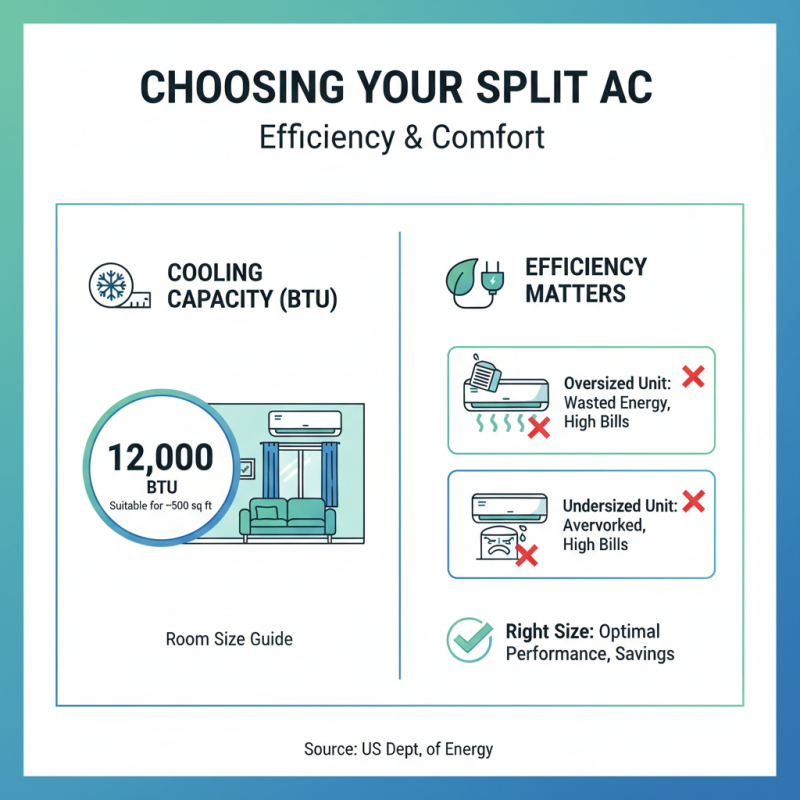
Choosing the right split air conditioner is crucial for comfort and efficiency. One of the main factors is the cooling capacity, measured in BTUs. According to the U.S. Department of Energy, a cooling capacity of 12,000 BTUs is suitable for a room of about 500 square feet. If you overlook this, it may lead to overworking the unit. An oversized or undersized unit can increase energy bills.
Energy efficiency is another important consideration. Look for models with a high Seasonal Energy Efficiency Ratio (SEER). A unit with a SEER rating of 14 or higher can be 30% more efficient than older models. However, such units might be pricier upfront. This is where cost versus long-term savings can get confusing.
Installation options also matter. Some split systems are easier to install than others. DIY options exist, but professional installation is often recommended. Poor installation can lead to issues, such as air leaks, which compromise performance. Many homeowners report that they realize the importance of professional help only after facing these drawbacks.
Understanding Different Types of Split Air Conditioners
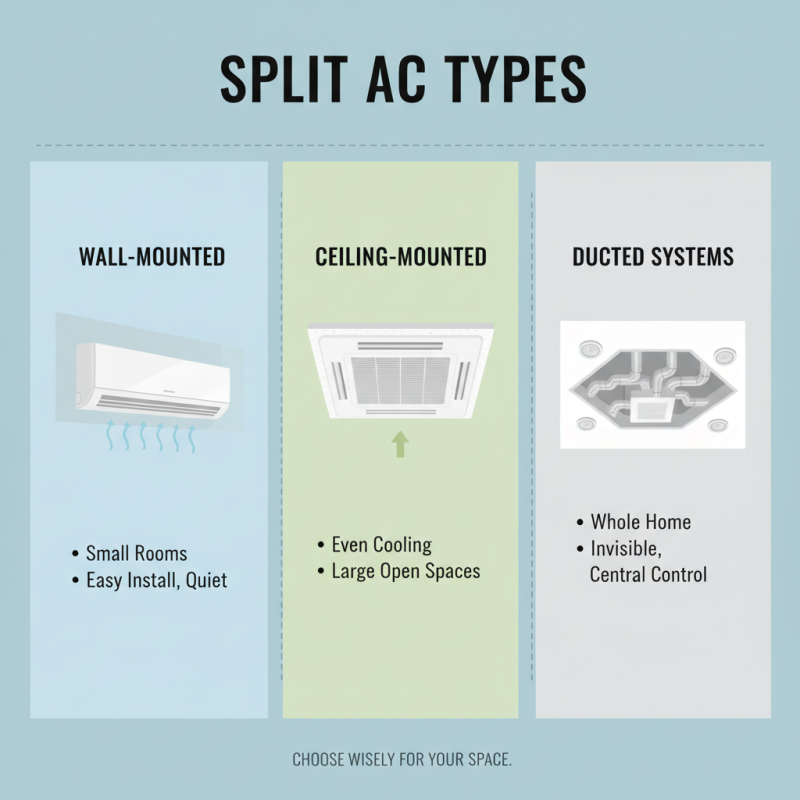
When choosing a split air conditioner, understanding the different types is crucial. There are wall-mounted, ceiling-mounted, and ducted systems. Each type serves unique needs. Wall-mounted units are ideal for smaller spaces. They're easy to install and operate quietly. However, they might not adequately cool large rooms.
Ceiling-mounted systems offer better air distribution. They can cover a wider area effectively. But, installation can be more complex and costly. Ducted systems are another option. They provide a clean look without visible units. Yet, they require existing ductwork. This can be cumbersome and expensive for some homeowners.
Selecting the right type depends on your space and budget. Consider the layout of your home. Think about your cooling needs throughout the year. You may feel tempted to only look for the most powerful unit. However, efficiency is key. An oversized unit can lead to frequent on-and-off cycles. This may affect comfort and increase energy bills. Take your time in evaluating your options. The right choice can enhance your home's atmosphere significantly.
Calculating the Required Cooling Capacity for Your Space
When choosing a split air conditioner, calculating the required cooling capacity is crucial. This capacity is measured in BTUs (British Thermal Units). To determine your needs, you must consider room size, insulation, and sun exposure. A larger room may require an air conditioner with a higher BTU rating.
For example, a 500-square-foot room typically needs around 12,000 BTUs. However, if the room has large windows that receive direct sunlight, increase that number. Sometimes people overlook important factors, leading to inefficient cooling. They may buy a unit that is too small, causing it to struggle.
To fine-tune your calculations, you can also account for the number of occupants. Each additional person in the room adds around 600 BTUs. Reflect on these details carefully as they impact comfort. A well-chosen split air conditioner can make all the difference in your home’s climate.
Cooling Capacity Requirements for Different Room Sizes
Evaluating Energy Efficiency Ratings and Features
When choosing a split air conditioner, energy efficiency ratings are crucial. Look for the Seasonal Energy Efficiency Ratio (SEER). A higher SEER indicates better efficiency. For example, a unit with a SEER of 15 or more is considered efficient. This can significantly lower your electricity bills over time.
Features also impact efficiency. Check if the model has a variable speed compressor. This technology adjusts the cooling output based on your needs. It often results in better energy savings compared to traditional units. Additionally, consider models with smart features, such as Wi-Fi connectivity. These allow you to monitor and control your AC remotely.
However, some users overlook proper installation. A poorly installed unit can negate efficiency gains. Ensure you follow guidelines and hire professionals if needed. Some might think they can save money by DIY, but this can lead to errors. A wrong choice may lead to discomfort and increased costs.
Installation and Maintenance Considerations for Split AC Units
When installing a split air conditioner, consider room size and layout. A report by the U.S. Department of Energy states that oversized units can cycle on and off too frequently. This leads to inefficient cooling and increased energy bills. Choosing the right BTU rating is crucial. Rooms over 300 square feet often require higher capacity units for optimal performance.
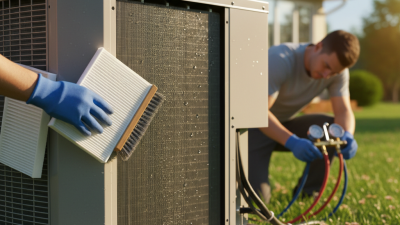
Maintenance is another vital aspect. Regular cleaning of filters can improve efficiency by up to 15%, according to a recent study by the International Energy Agency. Neglecting this can lead to airflow issues and reduced cooling ability. Condenser coils must also be kept clear of debris. A dirty coil can increase energy consumption by as much as 30%.
Homeowners should also reflect on the placement of outdoor units. Proximity to trees or shrubs can block airflow. This block can cause the unit to overheat. Investing in proper installation and ongoing maintenance will enhance the system's lifespan and efficiency. Careful consideration today pays off in lower costs tomorrow.
How to Choose the Right Split Air Conditioner for Your Home? - Installation and Maintenance Considerations for Split AC Units
| Features |
Considerations |
Maintenance Tips |
Installation Advice |
| Cooling Capacity (BTU) |
Choose based on room size; 8,000-12,000 BTU for small rooms. |
Clean filters regularly; replace filters every 1-3 months. |
Ensure proper clearance around outdoor unit for air flow. |
| Energy Efficiency Rating (EER) |
Look for a higher EER for lower energy costs. |
Schedule annual maintenance with a technician. |
Professional installation is recommended for optimal performance. |
| Noise Level (dB) |
Select units with lower dB ratings for quieter operation. |
Inspect for unusual noises and call a technician if noticed. |
Avoid placing unit in areas with obstructed airflow. |
| Type of Filter |
Consider HEPA filters for better air quality. |
Check for mold or blockages in your filter regularly. |
Follow manufacturer instructions for installation. |
| Warranty Options |
Choose units with comprehensive warranty coverage. |
Understand warranty terms for repairs and parts replacement. |
Document installation with photos or receipts for warranty claims. |