Top 5 Ductless Heat Pump Benefits for Your Home?
Ductless heat pumps are becoming increasingly popular in modern homes due to their efficiency and versatility. According to the Department of Energy, homes using ductless heat pumps can save up to 30% on heating and cooling costs. These systems offer a unique solution, especially for homes without existing ductwork. As noted by energy efficiency expert Dr. Jane Collins, “Ductless heat pumps provide unmatched comfort and flexibility for all climates.”
Many homeowners are seeking ways to enhance comfort while reducing energy expenses. Traditional heating methods often fall short, leaving drafts and inconsistencies. Ductless heat pumps, with their targeted heating capabilities, address these issues directly. They effectively distribute comfortable warmth to specific areas, unlike conventional systems that heat indiscriminately.
Moreover, affordability is a key consideration. Initial installation costs can be higher for ductless systems, but the long-term savings are significant. It’s essential to evaluate these systems thoroughly. Reflecting on the initial investment versus future savings can shape homeowners' decisions. Ultimately, ductless heat pumps represent an evolving solution in home climate control, combining efficiency with practical benefits.
Overview of Ductless Heat Pump Technology
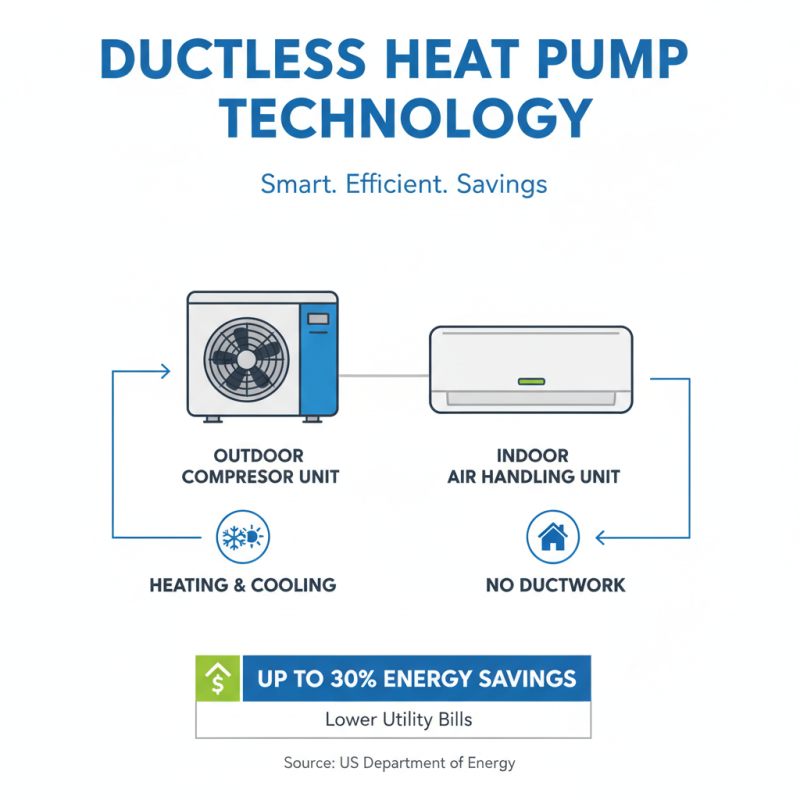
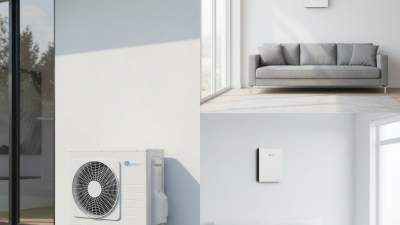
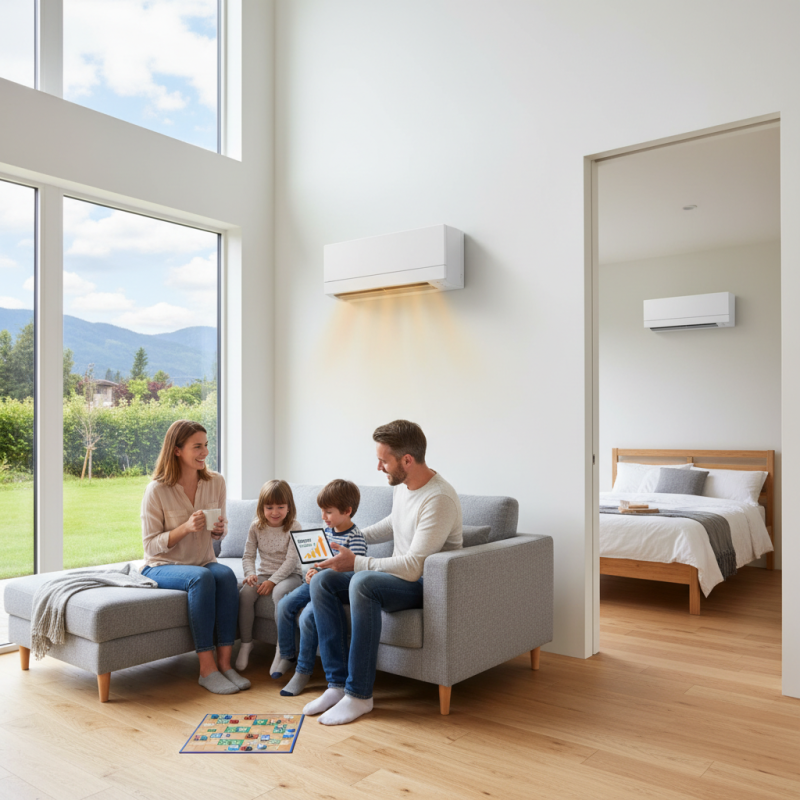
Ductless heat pump technology has become increasingly popular for residential heating and cooling. This system consists of an outdoor compressor unit and one or more indoor air handling units, providing efficient climate control without the need for ductwork. According to the U.S. Department of Energy, ductless systems can reduce energy consumption by up to 30%, leading to significant savings on utility bills.
These systems are versatile and can be easily installed in various types of homes. They allow homeowners to customize heating and cooling in individual rooms, enhancing comfort levels. A 2020 report from the American Council for an Energy-Efficient Economy stated that ductless systems can improve indoor air quality. They reduce dust, allergens, and other pollutants often found in traditional HVAC systems. Additionally, they operate quietly, providing a pleasant indoor environment.
However, while ductless heat pumps offer many benefits, their installation costs may be higher than some traditional systems. Homeowners should consider the long-term savings on energy bills in their decision-making. Some users report challenges in obtaining adequate cooling in larger spaces or during extreme temperatures. Understanding these nuances can lead to better decisions regarding home energy solutions.
Enhanced Energy Efficiency and Cost Savings
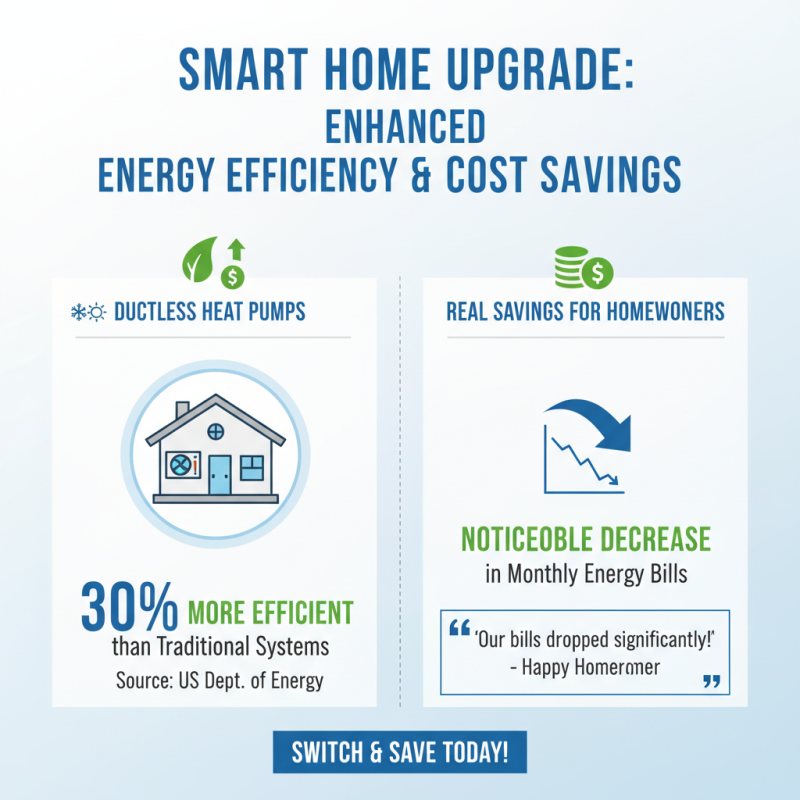
Ductless heat pumps significantly enhance energy efficiency in homes. According to the U.S. Department of Energy, they can provide up to 30% more efficiency than traditional systems. This efficiency translates into real savings on energy bills. Many homeowners have reported a noticeable dip in their monthly costs after switching to ductless systems.
When considering a ductless heat pump, it’s vital to focus on the installation. Improper installation can lead to issues like air leaks and reduced performance. Homeowners should hire certified professionals for the job. Regular maintenance also plays a crucial role in optimizing efficiency. A well-maintained system will last longer and operate more effectively.
Energy rebates often exist for ductless heat pump installations. These can further decrease upfront costs. It's worth researching local or state programs designed to promote energy efficiency. Overall, going ductless can be a smart investment, driving both comfort and financial savings in the long run. Always compare your options, as individual systems can vary greatly in performance.
Improved Indoor Air Quality Benefits
Ductless heat pumps offer numerous advantages for your home, particularly in terms of indoor air quality. These systems work by filtering air as it circulates, removing dust, allergens, and pollutants. A report from the U.S. Environmental Protection Agency highlights that indoor air can be up to five times more polluted than outdoor air. This alarming statistic emphasizes the need for effective air filtration methods.
Many ductless systems include advanced filtration technology. It can capture fine particles that standard filters might miss. According to an industry study, homes with ductless heat pumps can experience up to a 30% reduction in allergens and particulate matter. However, proper maintenance is crucial. Neglecting filter changes can lead to decreased efficiency and air quality.
There’s often a misconception that ductless systems do not adequately control humidity levels. In fact, they can dehumidify while cooling, enhancing comfort significantly. A survey conducted by the American Society of Heating, Refrigerating and Air-Conditioning Engineers found that 60% of homeowners noticed a marked improvement in their indoor humidity levels after installing a ductless system. This can be a game-changer, especially in humid climates. The focus on maintaining air quality can't be overlooked, though—action is necessary to ensure systems operate effectively.
Flexible Installation Options for Various Home Designs
Ductless heat pumps provide flexible installation options that suit various home designs. Unlike traditional systems, ductless units involve less invasive setup. Homeowners appreciate how these systems can fit into diverse spaces. According to the U.S. Department of Energy, ductless systems can reduce energy costs by up to 30%. This efficiency is partly due to their design, allowing easy installation in hard-to-reach areas.
Installation options include wall-mounted, ceiling-mounted, or floor-standing designs. Each setup caters to different room requirements. For example, wall-mounted units work well in small rooms where floor space is limited. However, some homes may face challenges with adequate electrical capacity. It's important to assess your home’s infrastructure before committing to installation.
Many homeowners realize that ductless systems can enhance indoor air quality. They often come equipped with multi-stage filtration. However, relying solely on these filters may not address all air quality issues. Regular maintenance is necessary to ensure optimal performance. Investing in a ductless heat pump can lead to long-term savings, but understanding your specific home needs will help you make an informed decision.
Top 5 Ductless Heat Pump Benefits for Your Home
This bar chart illustrates the top benefits of ductless heat pumps, showing how flexibility in installation, energy efficiency, cost savings, improved comfort, and environmentally friendly options contribute to their popularity among homeowners.
Year-Round Climate Control Capabilities
Ductless heat pumps offer exceptional year-round climate control, making them popular for many homes. These systems provide heating in winter and cooling during summer. Unlike traditional HVAC units, they operate quietly and efficiently. This adaptability enhances comfort for every season.
One tip for maximizing efficiency is to strategically place the indoor units. Consider locations that allow even air distribution. Avoid placing units in corners or behind furniture, as this can lead to ineffective heating or cooling.
In addition to optimal placement, regular maintenance is essential. Check filters monthly and clean them as needed. A well-maintained system runs better and lasts longer, ensuring your home remains comfortable throughout the year. Small actions like these make a significant difference in performance. Climate control can be both effective and energy-efficient.
Top 5 Ductless Heat Pump Benefits for Your Home
| Benefit |
Description |
Estimated Savings (%) |
| Energy Efficiency |
Ductless heat pumps use less energy compared to traditional heating systems, providing more heat or cooling for less electricity. |
30-50% |
| Zoning Capability |
Allows for different temperatures in different rooms for personalized comfort settings. |
N/A |
| Easy Installation |
Ductless systems require less construction and are quicker to install versus traditional HVAC systems. |
N/A |
| Improved Indoor Air Quality |
Ductless heat pumps do not have ducts, which means less dust and allergens circulating in your home. |
N/A |
| Year-Round Comfort |
Can efficiently heat and cool your home, making them suitable for all seasons. |
N/A |