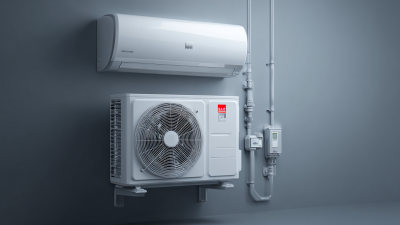
Why Choose a Ductless Heat Pump for Efficient Home Heating and Cooling?
In today's quest for energy efficiency and environmental sustainability, homeowners are increasingly turning to innovative heating and cooling solutions. Among these, the ductless heat pump stands out as a versatile and effective option. Renowned industry expert, Dr. Emily Robinson, a leading figure in HVAC technology, describes the ductless heat pump as "a game-changer for modern home comfort." This system not only maximizes energy efficiency but also allows for personalized temperature control in individual rooms, making it an ideal choice for diverse living spaces.
Ductless heat pumps operate using advanced technology that eliminates the need for traditional ductwork, providing a cleaner and more streamlined installation process. This not only simplifies the overall setup but also minimizes energy loss, which is often a significant drawback of ducted systems. As energy costs continue to rise and environmental concerns grow, the demand for ductless heat pumps is expected to soar, offering an eco-friendly alternative that meets the heating and cooling needs of today's homeowners. Through this exploration, we will delve deeper into the reasons why choosing a ductless heat pump can lead to significant long-term benefits for efficient home heating and cooling.
Benefits of Ductless Heat Pumps for Homeowners
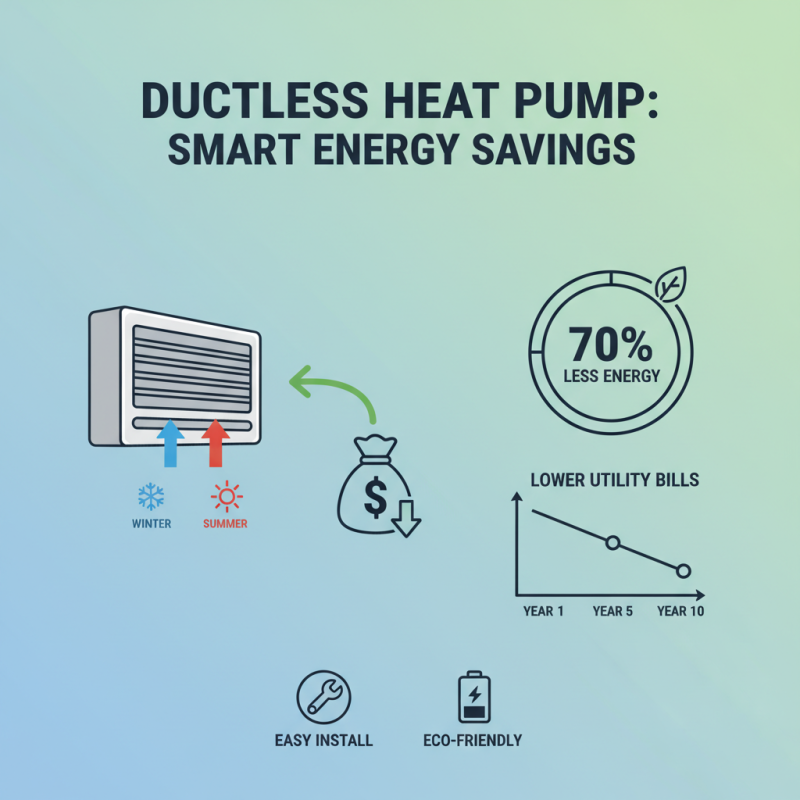
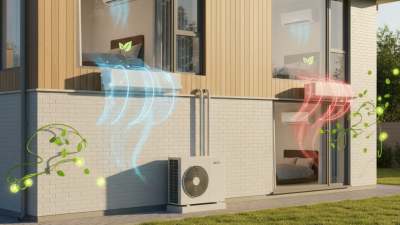
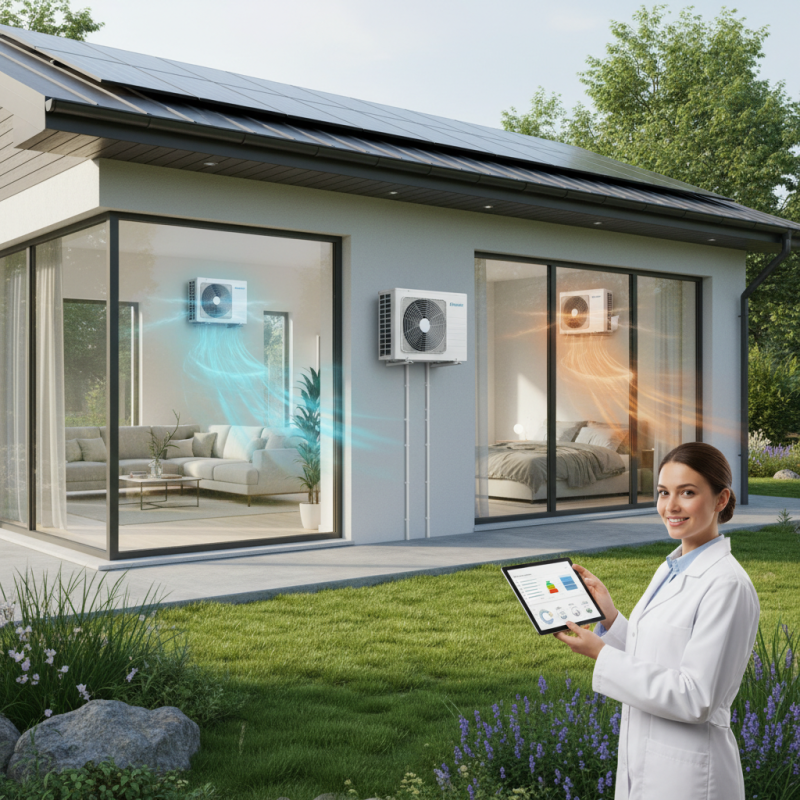
Ductless heat pumps offer a range of benefits for homeowners seeking efficient heating and cooling solutions. One of the most significant advantages is their energy efficiency. Unlike traditional HVAC systems that rely on ductwork, ductless heat pumps operate on a direct-to-room basis, allowing for targeted temperature control. This means that homeowners can heat or cool specific areas of their home without wasting energy on unused spaces, leading to lower utility bills and a reduced carbon footprint.
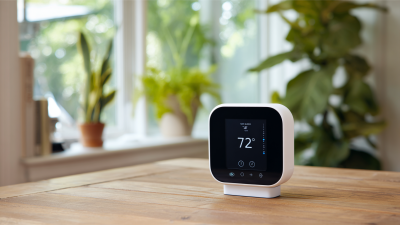
Another key benefit of ductless heat pumps is their ease of installation. Without the need for extensive ductwork, installation can be completed in less time and with less disruption to the home. This is particularly advantageous for older homes that do not have existing duct systems. Furthermore, many ductless heat pumps come with advanced features such as programmable settings and smart technology, providing users with greater control over their indoor climate. This enhances comfort and convenience, making ductless systems an appealing choice for modern living.
Energy Efficiency Metrics: Comparing Ductless Heat Pumps to Traditional Systems
When making a decision about home heating and cooling, energy efficiency is a crucial metric to consider. Ductless heat pumps are often lauded for their superior efficiency compared to traditional heating and cooling systems. One key advantage lies in their ability to deliver targeted heating and cooling directly to individual rooms without the need for extensive ductwork. This means that energy loss through duct leaks, which can be significant in traditional systems, is virtually eliminated. As a result, homeowners can experience lower energy bills while still maintaining a comfortable indoor climate.
Furthermore, ductless heat pumps typically operate using inverter technology, which allows them to adjust their output to match the specific heating or cooling demands of a space. This dynamic operational capability not only enhances comfort but also optimizes energy consumption. In contrast, conventional systems often work in a start-stop cycle, consuming more energy during each restart. Overall, when comparing energy efficiency metrics, ductless heat pumps emerge as a compelling option for reducing energy use while offering flexibility and control over home climate management.
Energy Efficiency Metrics: Ductless Heat Pumps vs. Traditional Heating Systems
Installation Flexibility: Adapting Ductless Heat Pumps for Various Spaces
Ductless heat pumps offer remarkable installation flexibility, allowing homeowners to easily adapt cooling and heating systems to suit a variety of spaces. Unlike traditional HVAC systems that require extensive ductwork, ductless heat pumps can be installed in homes with limited or no existing duct systems. According to the U.S. Department of Energy, these systems can be an ideal choice for older homes, new constructions, or even additions, as they provide efficient climate control tailored to specific room needs.
Moreover, ductless heat pumps can be strategically positioned to maximize energy efficiency and comfort. Data from the Air-Conditioning, Heating, and Refrigeration Institute (AHRI) indicates that these systems can achieve energy efficiency ratings of up to 30 SEER (Seasonal Energy Efficiency Ratio). This high efficiency is particularly beneficial in regions with extreme temperatures, allowing users to maintain a comfortable environment with lower energy bills.
Tips for maximizing the benefits of ductless heat pumps include selecting the right size unit for each space to ensure optimal performance. It’s also wise to consider the placement of indoor units - higher installation often yields better air distribution. Regular maintenance, such as cleaning the filters and ensuring unobstructed airflow, can further enhance the unit's efficiency and lifespan. By implementing these strategies, homeowners can fully leverage the advantages of ductless heating and cooling solutions.
Why Choose a Ductless Heat Pump for Efficient Home Heating and Cooling? - Installation Flexibility: Adapting Ductless Heat Pumps for Various Spaces
| Feature |
Description |
Benefits |
| Installation Flexibility |
Can be installed in a variety of spaces without the need for ductwork. |
Ideal for retrofitting and older homes where ductwork may not be feasible. |
| Energy Efficiency |
Uses inverter technology to adjust the compressor speed based on the space's needs. |
Reduces energy consumption and utility bills. |
| Zoning Capability |
Allows for different areas of the home to be heated or cooled independently. |
Enhances comfort and saves energy in unoccupied rooms. |
| Quiet Operation |
Designed for minimal noise during operation. |
Creates a more pleasant indoor environment without disruptive sounds. |
| Versatile Applications |
Suitable for various installations such as new builds, renovations, and even commercial spaces. |
Offers custom solutions for diverse heating and cooling requirements. |
Cost Analysis: Long-term Savings with Ductless Heat Pump Systems
When considering an energy-efficient solution for home heating and cooling, a ductless heat pump system stands out due to its potential for long-term savings. Unlike traditional HVAC systems that require ductwork, ductless systems are designed for ease of installation and operation. They efficiently transfer heat in and out of your home, providing comfort year-round. This efficiency translates into lower energy consumption, which can significantly reduce utility bills over time.
A cost analysis reveals that while the initial investment for a ductless heat pump may be higher than conventional systems, the advantages shine through in the long run. The energy savings generated by the unit often lead to a return on investment within a few years. Furthermore, maintenance costs are generally lower, as there are no ducts to clean or repair, and the systems typically require less frequent servicing. Homeowners can increasingly benefit from incentives, rebates, and energy tax credits focused on sustainable heating and cooling technologies, further enhancing the financial appeal of choosing a ductless heat pump.
Environmental Impact: Reducing Your Carbon Footprint with Ductless Solutions
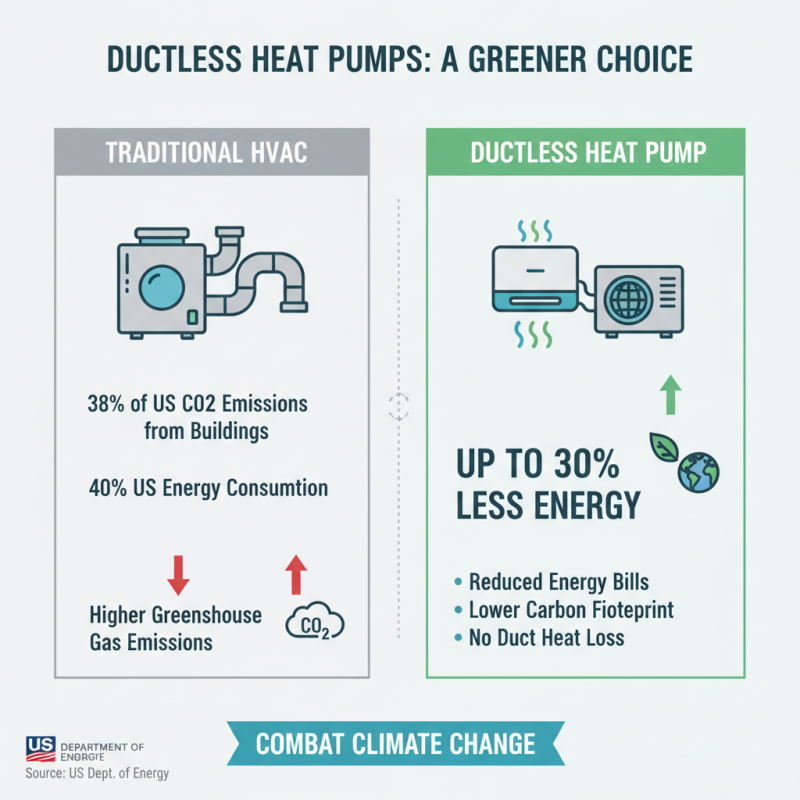
Ductless heat pumps have emerged as a highly efficient solution for home heating and cooling, particularly in terms of their environmental impact. According to the U.S. Department of Energy, ductless systems can reduce energy consumption by 30% compared to traditional HVAC systems, significantly lowering greenhouse gas emissions. This is particularly crucial as buildings account for nearly 40% of total energy consumption and approximately 38% of CO2 emissions in the United States, making the transition to more efficient heating and cooling options essential in combating climate change.
Moreover, ductless heat pumps operate on electricity and can be powered by renewable energy sources, further diminishing their carbon footprint. The International Energy Agency reports that transitioning to energy-efficient technologies, like ductless systems, could reduce global energy demand for heating and cooling by up to 30% by 2040. This means homeowners opting for ductless solutions are not only improving their indoor comfort but also contributing to a larger movement toward sustainable living and reduced reliance on fossil fuels. These systems promote better air quality and less energy waste, aligning with both individual and collective environmental goals.