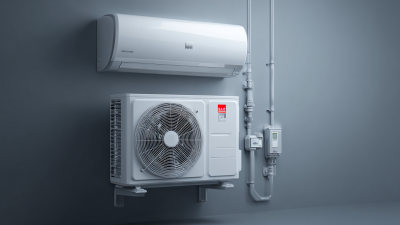
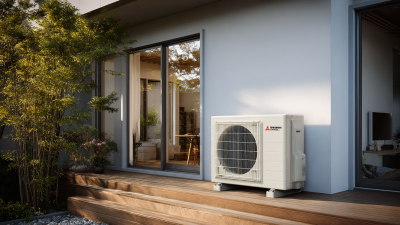
As we look toward 2025, ductless heating solutions are emerging as a pivotal innovation in the HVAC industry, responding to the growing demand for energy efficiency and sustainable practices in residential and commercial spaces. According to a recent report from the U.S. Department of Energy, ductless heating systems can be up to 30% more efficient than traditional heating systems, largely due to their ability to eliminate energy losses associated with ductwork. This efficiency is not only beneficial for reducing energy bills but also plays a significant role in reducing carbon footprints, aligning with global sustainability goals.
Industry expert Dr. Sarah Lewis, a leading voice in the field of HVAC technology, asserts, “Ductless heating systems represent the future of efficient climate control, balancing comfort with environmental responsibility.” Her insights highlight a broader trend in the HVAC sector, where the shift to ductless systems is poised to gain momentum in the coming years, driven by technological advancements and an increasing awareness of energy conservation. As more consumers and businesses prioritize eco-friendly options, understanding the intricacies of ductless heating will be crucial for making informed decisions that align with both personal and societal aspirations for a greener planet.
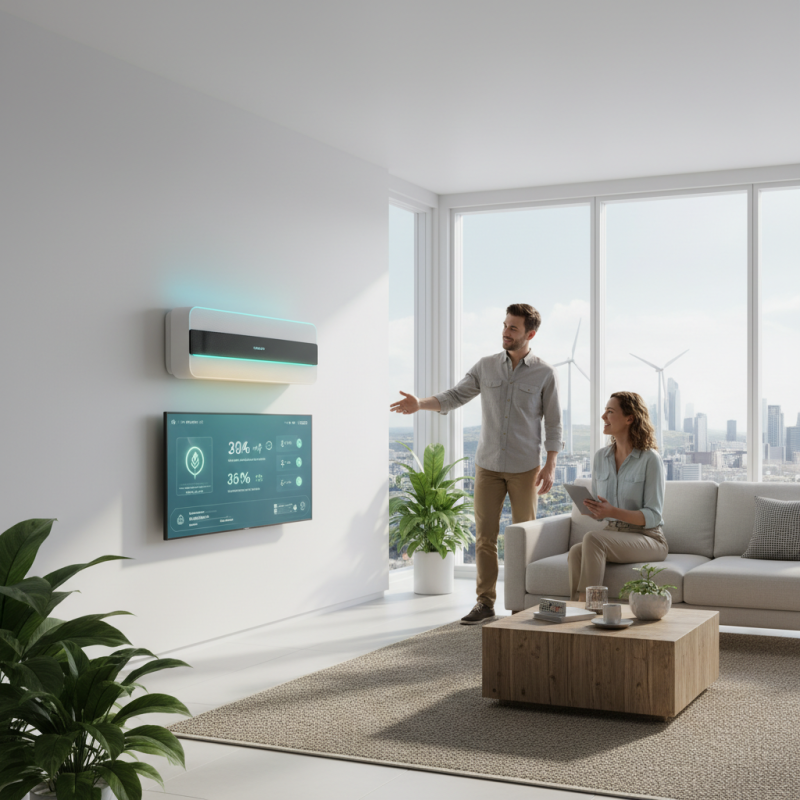
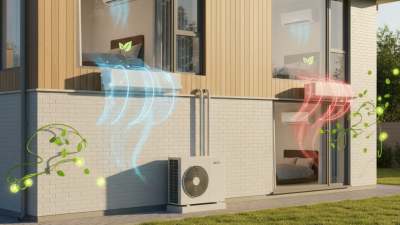
Ductless heating, also known as mini-split heating, is an increasingly popular solution that delivers warmth without the need for extensive ductwork. Unlike traditional heating systems, which rely on a network of ducts to distribute warm air throughout a space, ductless systems utilize individual units placed in specific rooms. This allows for zoned heating, where each area can be controlled independently. As a result, homeowners can achieve greater energy efficiency, as they can heat only the rooms that are in use, reducing unnecessary energy consumption.
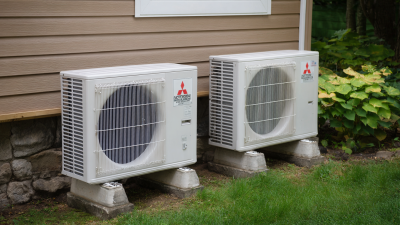
Understanding how ductless heating works involves looking into its core components. A ductless heating system generally consists of an outdoor compressor unit and one or more indoor air handling units. The compressor extracts heat from the outside air, even in cold temperatures, and transfers it to the indoor units through refrigerant lines. These units then circulate the warm air directly into the living spaces.
The technology behind ductless heating ensures that it operates quietly and efficiently, making it an ideal choice for both new constructions and remodeling projects. With rising energy costs and a growing focus on sustainability, ductless heating presents a modern and effective solution for maintaining comfort in homes.
Ductless heating solutions have gained immense popularity for both residential and commercial spaces due to their unique advantages. One significant benefit is their energy efficiency. These systems provide targeted heating, which means that they can quickly warm specific areas without wasting energy on unused spaces. This localized approach not only leads to lower energy bills but also contributes to a reduced carbon footprint, making ductless systems an environmentally friendly alternative.
Moreover, ductless heating solutions offer unparalleled flexibility in installation and design. Unlike traditional heating systems that require extensive ductwork, ductless units can be installed in various configurations, allowing for more effective use of space. This is particularly beneficial for older buildings or renovations where installing ducts may be challenging or impossible. Additionally, the ability to control individual units means that occupants can tailor the heating to their preferences, enhancing comfort and satisfaction in both home and workplace environments. As a result, ductless heating solutions are proving to be an efficient and convenient choice for modern heating needs.
| Benefit | Description | Ideal Application | Energy Efficiency Rating | Estimated Cost Savings |
|---|---|---|---|---|
| Space-Saving Design | Compact units that avoid ductwork. | Apartments, Small Offices | Up to 30 SEER | 20%-30% lower heating costs |
| Flexible Installation | Easier to install in various configurations. | Renovations, New Builds | 18-24 SEER | Up to 25% energy savings |
| Improved Air Quality | No ducts means reduced dust and allergens. | Homes with Allergies, Businesses | N/A | Indirect cost savings via health benefits |
| Zoning Capabilities | Control temperatures in different areas. | Large Homes, Commercial Spaces | Up to 20 SEER | Potentially 30% savings on unused areas |
| Environmentally Friendly | Lower carbon footprint compared to traditional systems. | Greenbuilds, Eco-conscious Homes | N/A | Long-term savings on energy bills |
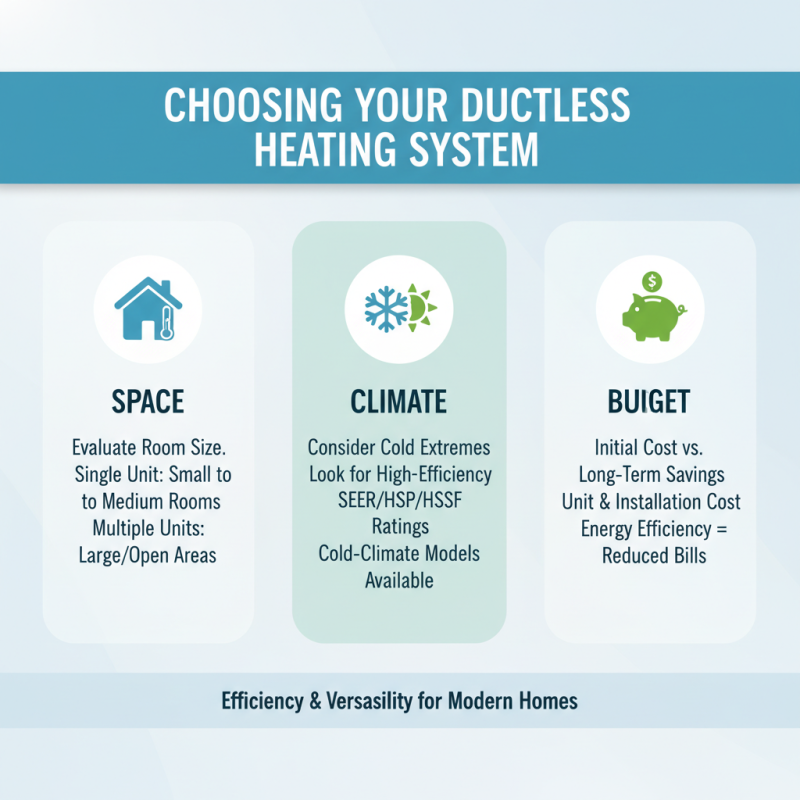
When selecting the right ductless heating system for your needs, it’s essential to assess your specific requirements based on space, climate, and budget. Ductless heating systems, or mini-split systems, are known for their efficiency and versatility, serving as an excellent alternative to traditional heating methods. Begin by evaluating the size of the area you need to heat. Larger spaces may require multiple indoor units for optimal comfort, while smaller rooms can often be effectively serviced with a single unit.
Another crucial factor to consider is the climate in your region. Ductless heating systems are designed to operate efficiently in a wide range of temperatures, but some models offer enhanced performance in extreme conditions. Be sure to research the heating capacity and energy efficiency ratings of different systems to find one that aligns with your climate challenges. Additionally, consider the installation options and whether you prefer a single-zone system for focused heating or a multi-zone setup for controlling the temperature in multiple rooms independently. By carefully evaluating these factors, you can select a ductless heating solution that will meet your needs well into 2025 and beyond.
Ductless heating systems have gained significant traction in recent years, and their installation and maintenance are crucial for ensuring optimal performance and energy efficiency. According to a report by the U.S. Department of Energy, ductless systems can deliver up to 30% more efficiency compared to traditional heating methods, making the initial investment worthwhile. For proper installation, it’s important to place the indoor units strategically to maximize airflow and minimize energy loss. This often involves assessing the layout of the space and the local climate, with professional installation recommended to ensure compliance with safety standards.
Maintenance of ductless heating solutions is equally vital for longevity and efficiency. Regular filter cleaning or replacement, typically every 1-3 months, is essential to maintain air quality and system effectiveness. The Consortium for Energy Efficiency states that routine maintenance can improve system efficiency by as much as 20%. Additionally, scheduling professional inspections annually can help identify potential issues and ensure the refrigerant levels are optimal, as low refrigerant can drastically reduce system performance. With these practices in mind, homeowners can enjoy the benefits of ductless heating solutions well into 2025 and beyond.
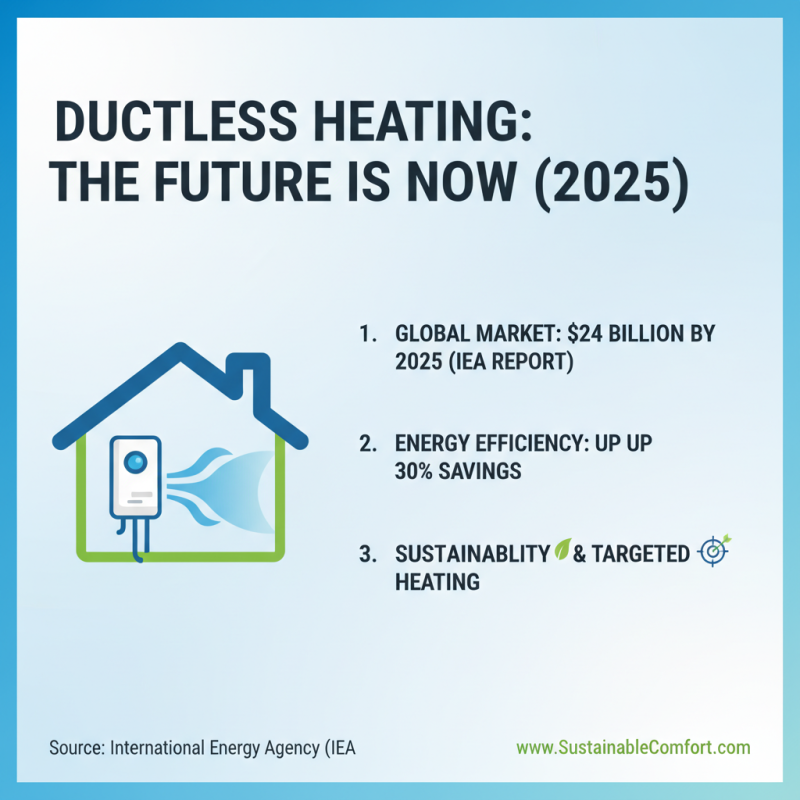
As we move toward 2025, ductless heating technologies are anticipated to undergo significant advancements, shaped by the increasing demand for energy efficiency and sustainability. According to a recent report by the International Energy Agency, the global market for ductless heating systems is projected to reach $24 billion by 2025, reflecting a growing preference for these solutions in residential and commercial applications. The ability to provide targeted heating with minimal energy loss distinguishes ductless systems, often leading to energy savings of up to 30% compared to traditional heating methods.
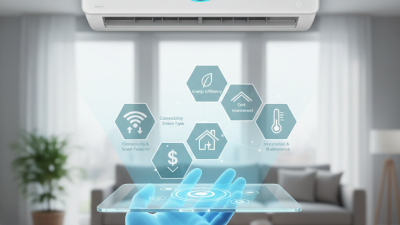
Future trends indicate that the integration of smart technology will be a defining feature of ductless heating solutions. As homes become smarter, the demand for HVAC systems with advanced connectivity options is on the rise. A study by MarketsandMarkets forecasts that smart HVAC systems will grow at a Compound Annual Growth Rate (CAGR) of 11.5% from 2020 to 2025, emphasizing the shift towards automation and remote management. Features such as AI-driven climate control, predictive maintenance, and real-time energy consumption analytics will be commonplace, providing users enhanced comfort and operational efficiency.
Moreover, the growing emphasis on renewable energy sources will influence the design and functionality of ductless heating systems. With more homeowners seeking sustainable heating solutions, manufacturers are investing in units that are compatible with solar energy and other renewable technologies. According to the U.S. Department of Energy, integrating renewable energy systems can reduce overall heating costs by up to 40% over time. The hybridization of ductless heating systems with renewable technologies signals a crucial step towards reducing carbon footprints and promoting environmentally responsible living in the coming years.