How to Perform an Effective AC Tune Up for Maximum Energy Efficiency

In today's energy-conscious world, ensuring the efficiency of your air conditioning system is more important than ever. An effective AC tune up not only enhances the performance of your unit but also contributes to significant energy savings. According to John Smith, an HVAC expert with over 20 years of experience, “Regular AC tune ups are essential for maintaining optimal energy efficiency and prolonging the lifespan of your system.” His insights highlight the importance of routine maintenance, especially as peak cooling seasons approach.

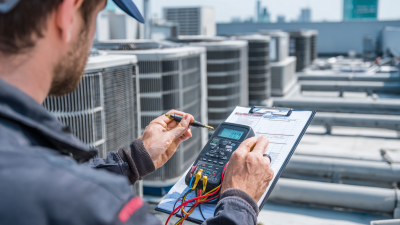
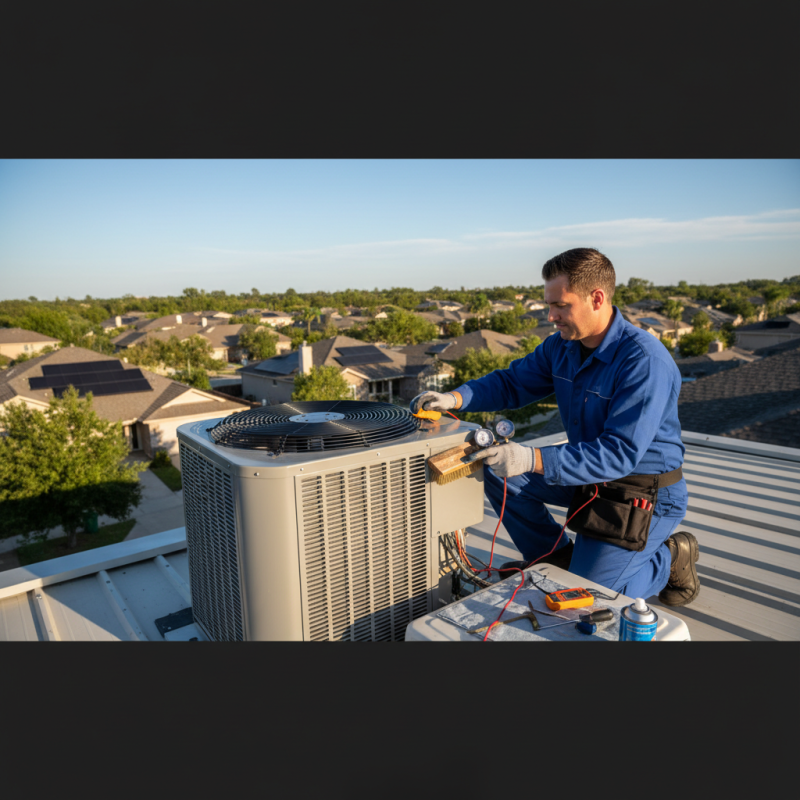
Conducting an AC tune up involves various practical steps, including checking refrigerant levels, cleaning coils, and inspecting electrical components. By addressing these key areas, homeowners can prevent unexpected breakdowns and costly repairs while enjoying a comfortable indoor environment. As energy costs continue to rise, taking proactive measures for your air conditioning system becomes a wise investment for both your comfort and your wallet.

In the following sections, we will delve deeper into the specific procedures involved in performing an effective AC tune up. By understanding and implementing these techniques, homeowners can maximize their unit's energy efficiency and ensure a reliable cooling solution for years to come.
How to Perform an Effective AC Tune Up for Maximum Energy Efficiency

Understanding the Importance of AC Tune-Ups for Energy Efficiency

An air conditioning (AC) system that operates efficiently is crucial not only for comfort but also for energy efficiency. Studies indicate that regular AC tune-ups can increase efficiency by about 10-15%. This improvement translates into significant savings on energy bills over time. According to the U.S. Department of Energy, an estimated 20-30% of energy consumption in residential buildings comes from heating and cooling systems. By performing routine maintenance and tune-ups, homeowners can address potential issues before they escalate, ensuring their AC units work optimally.

Furthermore, understanding the importance of AC tune-ups extends beyond financial savings; it also contributes to extending the lifespan of the equipment. The North American Technician Excellence (NATE) indicates that neglecting routine maintenance can lead to a decrease in efficiency and a shorter lifespan. A well-maintained AC unit is less likely to break down and incur costly repairs. Regular checks, including cleaning or replacing filters, inspecting refrigerant levels, and calibrating thermostats, not only comply with manufacturers' recommendations but also promote a sustainable approach to energy usage. By prioritizing AC tune-ups, homeowners can foster a more energy-efficient environment while supporting the broader goals of energy conservation.
Identifying Key Components of Your Air Conditioning System

How to Perform an Effective AC Tune Up for Maximum Energy Efficiency

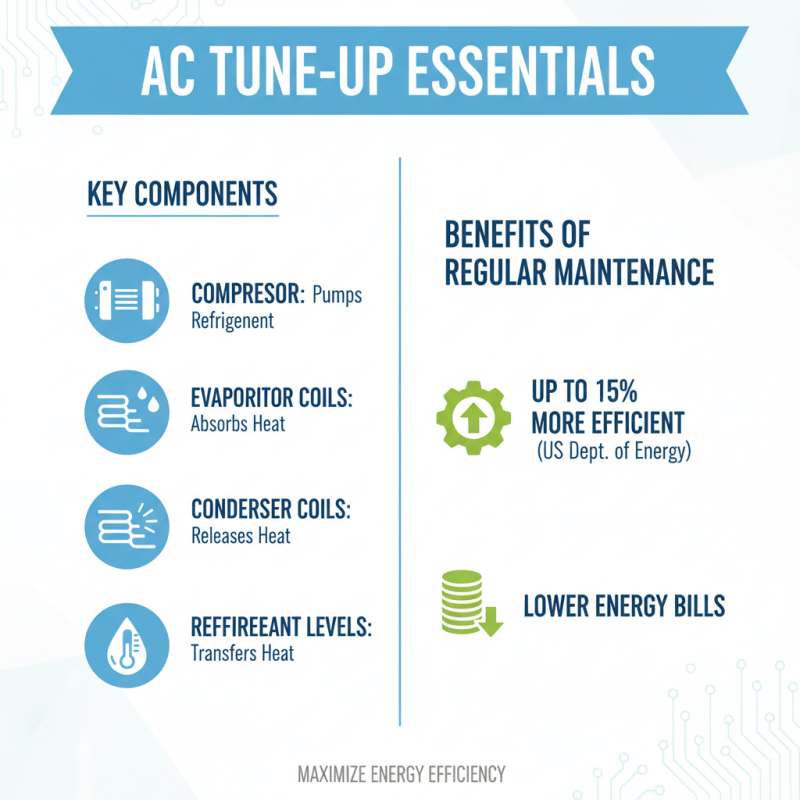
When performing an effective AC tune-up, understanding the key components of your air conditioning system is essential for maximizing energy efficiency. The main elements include the compressor, evaporator coils, condenser coils, and the refrigerant levels. According to the U.S. Department of Energy, regular maintenance can improve your unit’s efficiency by up to 15%. Keeping these components in peak condition reduces energy consumption and lowers utility bills.

Tips: Firstly, inspect and clean the evaporator and condenser coils at least once a year. Dirt and debris can build up on these coils, significantly hindering system efficiency. Secondly, check the refrigerant levels; low refrigerant can indicate leaks and decreases cooling efficiency. Ensuring the right amount of refrigerant is crucial for optimal performance.

Another vital component is the air filter, which should be changed regularly. A clogged filter restricts airflow, causing the system to work harder, thus consuming more energy. The Indoor Air Quality Association notes that changing filters every 1-3 months can enhance your air quality and system efficiency. Regularly checking these components not only prolongs the life of your air conditioning system but also ensures that it operates at maximum energy efficiency.

Step-by-Step Guide to Cleaning and Inspecting AC Components

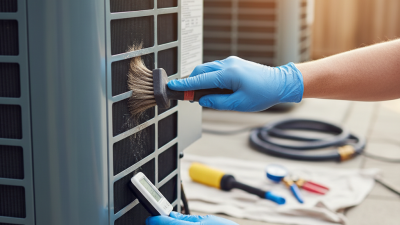
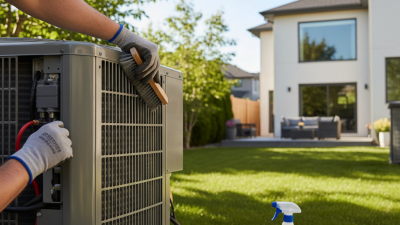
Performing a thorough cleaning and inspection of your air conditioning (AC) unit is essential for maintaining its efficiency and prolonging its lifespan. Start with the outdoor condenser unit. Clear any debris, such as leaves and dirt, from around the unit to ensure proper airflow. Use a soft brush or vacuum to clean the fins gently; avoiding bending them is crucial, as they play a significant role in heat exchange. Regularly cleaning this component can help prevent overheating and reduce energy costs.

When it comes to the indoor unit, the first step is to turn off the power to the AC system. Remove and clean or replace the air filter, as a clogged filter can restrict airflow and decrease efficiency. Vacuum the blower assembly and clean the evaporator coil with a mixture of water and mild soap to remove any buildup. This practice helps in improving airflow and maintaining the cooling capacity of the AC system.

**Tips:** Regular maintenance, such as keeping a clean filter and clearing debris, can significantly enhance your AC’s performance. Schedule tune-ups at the beginning of the cooling season to ensure your system is ready for the demands ahead. Always consult an expert if you encounter any issues beyond basic cleaning, as they can provide more in-depth inspections and repairs if required.

AC Tune-Up Effectiveness Comparison

This chart illustrates the effectiveness of various AC tune-up tasks in improving energy efficiency. The data reflects average energy consumption reduction percentages achieved after performing specific maintenance tasks.

Evaluating and Repairing Refrigerant Levels and Ductwork

How to Perform an Effective AC Tune Up for Maximum Energy Efficiency

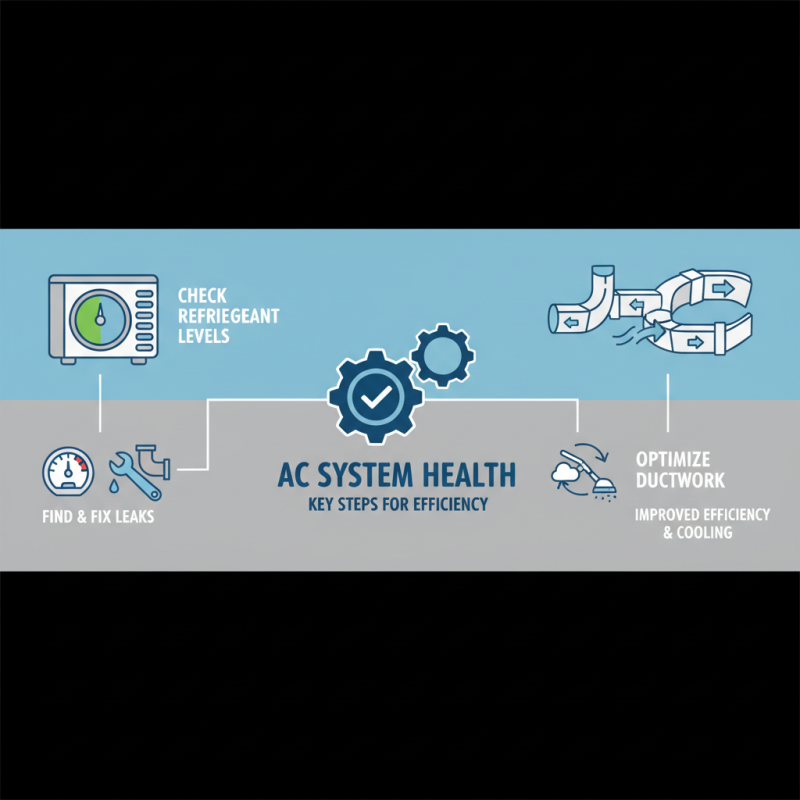
Evaluating and repairing refrigerant levels and ductwork are crucial steps in ensuring your air conditioning system operates efficiently. Start by checking the refrigerant levels, as low refrigerant can lead to inadequate cooling and increased energy consumption. Use a refrigerant gauge to measure the pressure and verify whether it is within the manufacturer’s specifications. If the levels are low, it may indicate a leak or that the system requires a recharge. Addressing leaks promptly is important not only for optimizing performance but also for preventing further damage to the system.

Next, inspect the ductwork for any signs of damage or leaks that could compromise airflow. Well-sealed ducts contribute significantly to energy efficiency, as they prevent cool air from escaping and reduce the strain on the AC unit. Look for gaps, cracks, or disconnected sections and repair them using appropriate sealing methods, such as duct tape or mastic sealant. Additionally, ensure that the ducts are insulated where necessary to maintain the desired temperature and improve overall efficiency. By focusing on refrigerant levels and ductwork repairs, you can significantly enhance the performance of your air conditioning system, leading to greater energy savings and a comfortable indoor environment.

Tips for Scheduling Regular Tune-Ups and Maintaining Peak Performance

When it comes to maintaining peak performance in your air conditioning system, scheduling regular tune-ups is crucial for maximizing energy efficiency. According to the U.S. Department of Energy, regular maintenance can enhance an HVAC system's efficiency by as much as 15%. This efficiency translates into significant energy savings, which can decrease your cooling costs.

One important tip is to schedule a tune-up at least once a year, preferably in the spring before the summer heat sets in. During the tune-up, a certified technician should inspect the system's components, clean the coils, and check refrigerant levels. Neglecting these simple checks can lead to decreased efficiency and increased energy consumption, costing homeowners up to 30% more on their cooling bills, as reported by the EPA.

Additionally, regular maintenance isn't just about efficiency; it can also prolong the life of your AC system. To keep everything running smoothly, make a habit of changing or cleaning the air filters every one to three months. Clogged filters can reduce airflow and cause the system to work harder, potentially increasing your energy use significantly. By committing to these simple maintenance tasks, you can ensure your system remains in top shape, saving both energy and money in the long run.