10 Essential Tips for Choosing the Best Smart Air Conditioner
In recent years, the demand for smart air conditioners has surged, driven by an increasing awareness of energy efficiency and the growing adoption of smart home technologies. According to a report by MarketsandMarkets, the smart air conditioner market is projected to reach $3.9 billion by 2026, with a compound annual growth rate (CAGR) of 14.6% from 2021 to 2026. This remarkable growth underscores the shifting preferences of consumers who seek not only comfort but also control and cost-effectiveness in their climate management solutions.
Industry expert Dr. Jane Smith, a leading researcher in home automation technologies, emphasizes the importance of making an informed choice when selecting a smart air conditioner: "Choosing the right smart air conditioner can not only enhance your living environment but also significantly reduce your energy consumption." With numerous brands and models available, consumers may find the decision overwhelming. Therefore, understanding the key features and factors to consider is crucial for making the best choice. This article outlines the top five essential tips that will guide you in selecting the ideal smart air conditioner for your needs, ensuring both efficiency and comfort in your home.
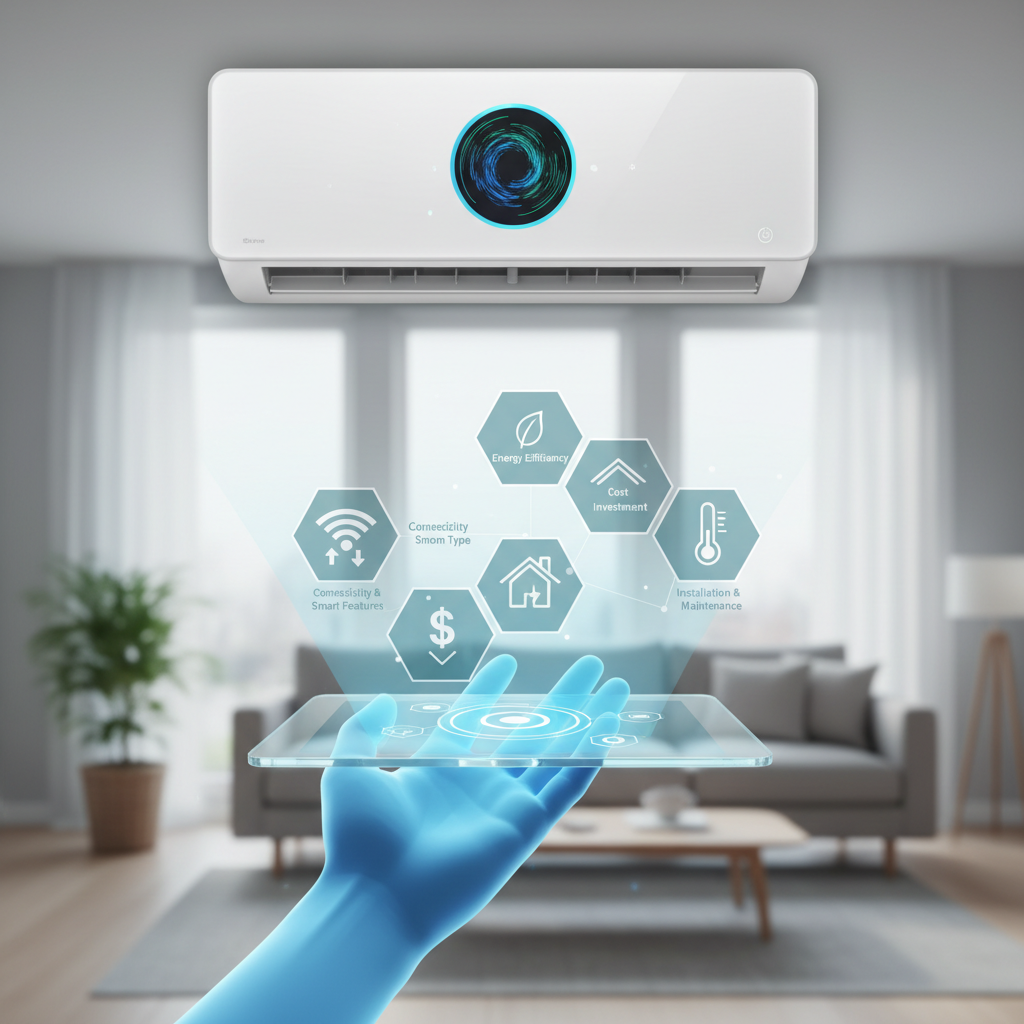
Understanding Your Cooling Needs: Size and BTU Requirements
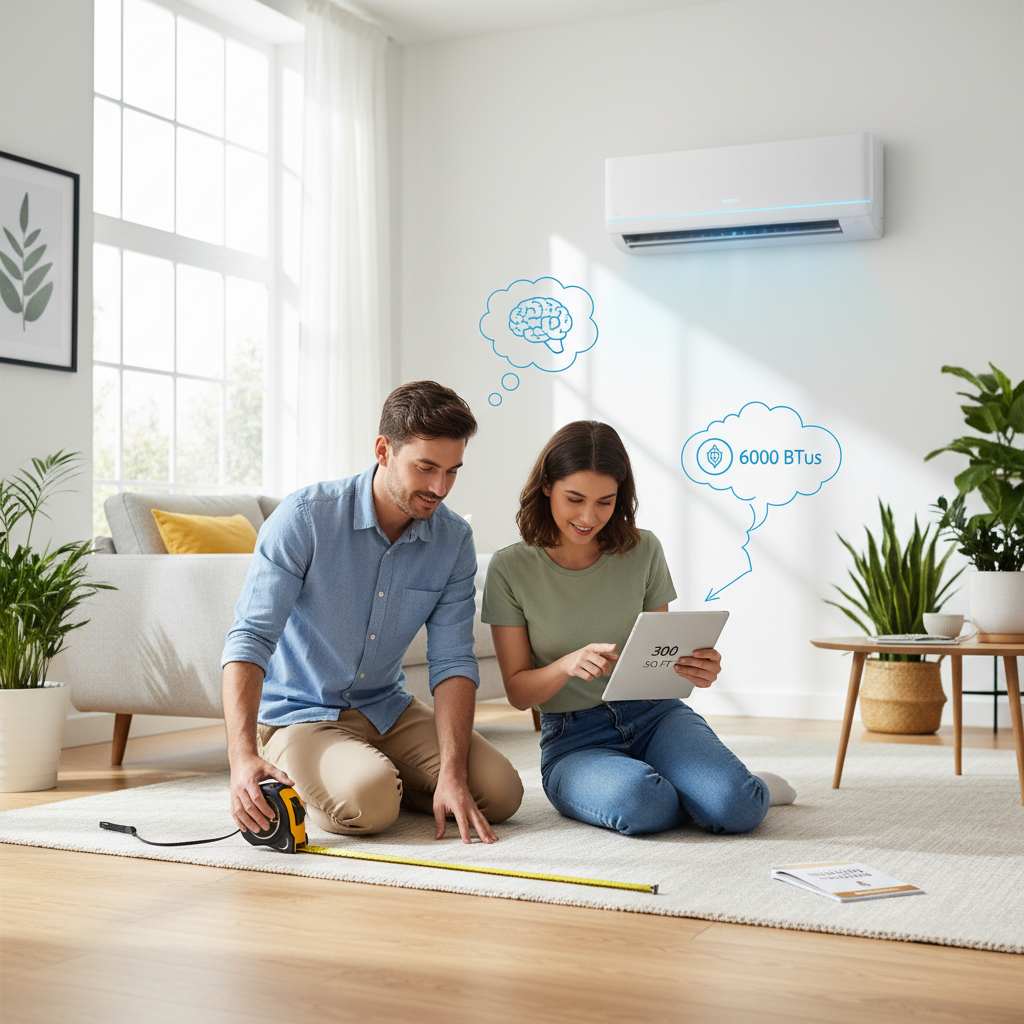
When selecting a smart air conditioner, understanding your cooling needs is crucial, especially regarding size and BTU (British Thermal Unit) requirements. According to the U.S. Department of Energy, the size of the air conditioner you need is determined by the area of the space it's meant to cool. A general rule of thumb is that you will need approximately 20 BTUs for every square foot of living space. For instance, a room measuring 300 square feet would require an air conditioner with a capacity of around 6,000 BTUs, making it vital to measure your space accurately before making a purchase.
Beyond space size, factors such as ceiling height, insulation quality, and local climate should also influence your BTU needs. A report by Energy Star indicates that homes in hotter climates may require additional cooling power due to increased heat exposure, suggesting an adjustment of 10% more BTUs for sunny rooms or rooms with poor insulation. Ensuring you select an air conditioner that not only fits your room size but also accommodates for these variables will maximize efficiency and comfort, leading to savings on both energy bills and environmental impact.
Energy Efficiency Ratings: What to Look For in Smart AC Units
When selecting a smart air conditioner, energy efficiency ratings are crucial. The Seasonal Energy Efficiency Ratio (SEER) is a key metric to consider; higher SEER ratings indicate more efficient units. According to the U.S. Department of Energy, modern air conditioners should have a minimum SEER of 14, while some energy-efficient models boast SEER ratings exceeding 20. Investing in these high-efficiency units can lead to a significant reduction in energy consumption, aligning with the goals outlined in the Energy Star program, which emphasizes the importance of energy-saving technologies.
Additionally, the Energy Efficiency Ratio (EER) is another important specification for evaluating smart air conditioners. The EER measures the cooling output during peak hot weather conditions and is expressed as a ratio of BTUs (British Thermal Units) to watts consumed. According to a report by the American Council for an Energy-Efficient Economy (ACEEE), an EER of 12 or more is recommended for optimal performance and cost savings. By focusing on these energy efficiency ratings, consumers can make informed decisions that not only benefit their wallets but also contribute to environmental sustainability.
Smart Features That Enhance Convenience and Comfort
When selecting the best smart air conditioner, it's crucial to consider the innovative features that enhance both convenience and comfort in your living space. One of the standout capabilities is remote control access. With a dedicated app, users can adjust settings, schedule operations, and even monitor energy usage from their smartphones, providing flexibility that traditional units lack. This means you can arrive home to a perfectly cooled environment without wasting energy while you’re away.
Another important smart feature is voice control compatibility. Many smart AC units integrate seamlessly with popular voice assistants, allowing you to adjust temperatures or switch modes using simple voice commands. This hands-free convenience is particularly beneficial in multi-tasking environments. Additionally, look for units with advanced filtration systems and air quality monitoring. These features not only maintain a comfortable climate but also ensure a healthier living space by reducing allergens and pollutants. Together, these smart functionalities can significantly enhance the overall experience of air conditioning, making it not just about cooling, but also about improving your quality of life.
Smart Air Conditioner Features Evaluation
This chart illustrates the evaluation of essential smart features for air conditioners, highlighting factors such as energy efficiency, smart control, air quality monitoring, noise level, cost, and installation ease. Each feature is rated on a scale of 1 to 10, reflecting its importance in enhancing the convenience and comfort of using a smart air conditioning unit.
Comparing Installation Options: Window vs. Portable vs. Central Systems
When selecting the best smart air conditioner, one of the key considerations is the installation option that suits your living space. Window units are a popular choice for their affordability and ease of installation. They fit directly into a window frame and are effective for cooling single rooms. However, they can block the view and allow outside noise, which might be a drawback for some users. Additionally, window units require proper sealing to prevent air leaks, which could impact energy efficiency.
Portable air conditioners offer flexibility and mobility, as they can be moved from one room to another easily. They typically require a simple venting process through a window, making them a good alternative for renters or those with non-standard window frames. However, they can be less energy-efficient and may have limited cooling capacity compared to window units. On the other hand, central air systems provide whole-house cooling solutions, advantageous for larger spaces or homes with multiple rooms. They ensure consistent temperature control and improved air quality but involve a higher upfront cost and professional installation. Evaluating your space and lifestyle needs will ultimately guide you to the most suitable option for your smart cooling solution.
10 Essential Tips for Choosing the Best Smart Air Conditioner
| Feature |
Window Air Conditioner |
Portable Air Conditioner |
Central Air Conditioning System |
| Installation Complexity |
Moderate (requires window access) |
Easy (portable, minimal setup) |
High (requires professional installation) |
| Cooling Efficiency |
Good (dependent on size and model) |
Fair (suitable for smaller spaces) |
Excellent (designed for whole-house comfort) |
| Energy Efficiency |
Varies (look for ENERGY STAR certified) |
Usually lower than window units |
High (generally best energy efficiency) |
| Mobility |
Fixed (cannot be easily moved) |
Excellent (easy to move between rooms) |
Fixed (not portable) |
| Noise Level |
Moderate (can be noisy based on design) |
Usually higher (less quiet) |
Usually quieter (central units are designed to minimize noise) |
| Cost |
Lower initial cost |
Moderate initial cost |
Higher initial investment |
Budgeting for Your Smart Air Conditioner: Costs and Savings Considerations
When budgeting for your smart air conditioner, it's crucial to consider not only the initial purchase price but also the long-term savings. According to a report by the American Council for an Energy-Efficient Economy (ACEEE), smart air conditioners can save homeowners up to 20% on energy bills compared to traditional units. These savings stem from features such as programmable settings and energy monitoring, which allow for more efficient cooling based on your lifestyle and usage patterns.
In addition to energy savings, it's essential to factor in maintenance costs associated with smart air conditioners. A study from the Department of Energy (DOE) highlighted that regular maintenance can extend the lifespan of these units and further reduce operational costs. Budgeting for bi-annual maintenance can mitigate hefty repair expenses in the long run, allowing you to maximize both performance and savings. By thoughtfully evaluating both the upfront costs and potential savings over time, you can make an informed decision that aligns with your financial goals while enjoying the benefits of advanced climate control technology.