Top Oil Tank Manufacturers and Suppliers Worldwide
Choosing an Oil Tank supplier is a technical decision, not merely a price comparison. Worldwide manufacturers serve refineries, fuel terminals, farms, mining sites, and emergency storage facilities. Their products vary in capacity, steel grade, coating system, roof design, fabrication method, and inspection support.
John D. Campbell, a respected petroleum facilities specialist, reminds buyers: “A storage tank must be designed as part of the complete operating system.” This perspective matters. A tank may look robust beside a loading bay, yet poor foundation design can create settlement, stress, and leakage risks. Reliable suppliers therefore explain their engineering assumptions clearly. They should reference suitable standards, such as API 650, API 653, UL 142, or EN 14015, where applicable. They should also provide material certificates, welding records, coating specifications, and inspection documents.
The strongest companies offer more than a steel shell. They assess local wind, seismic exposure, temperature changes, product characteristics, drainage, fire protection, and maintenance access. Some provide double-wall construction, floating roofs, vapor-control systems, heating coils, or internal liners. Site installation experience is equally important. A factory can produce excellent panels, but field quality still depends on alignment, welding, testing, and corrosion protection.
No global ranking is flawless. Supplier performance may change by region, project size, and service quality. A polished website proves little. Buyers should compare technical evidence, references, delivery history, warranty terms, and after-sales response. This guide examines leading Oil Tank manufacturers and suppliers worldwide, while recognizing one uncomfortable truth: the cheapest quotation can become the most expensive decision.
Types of Oil Tanks and Their Industrial Applications
Top Oil Tank Manufacturers and Suppliers Worldwide
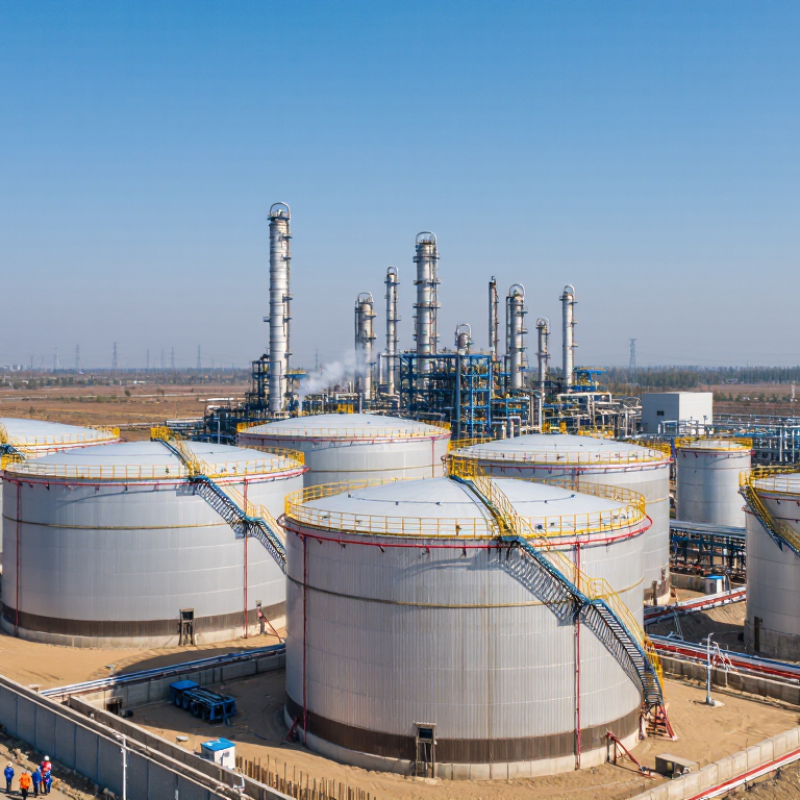
Oil tank selection begins with the product, temperature, and site conditions. Fixed-roof tanks suit diesel, lubricants, and fuel oils with limited evaporation. They often serve factories, power stations, and regional depots. Floating-roof tanks reduce vapor space above volatile crude oil and gasoline. Large terminals commonly use them for bulk storage and transfer operations.
Horizontal cylindrical tanks fit smaller footprints. They are practical for service stations, farms, construction sites, and standby generators. Double-wall designs add secondary containment around the inner vessel. Underground tanks save surface space, but inspection and leak detection become more difficult. Bladder tanks offer flexible deployment for temporary fuel storage, although their durability may decline under rough handling or extreme heat.
Scale remains significant. The OPEC Annual Statistical Bulletin 2024 reported about 1.57 trillion barrels of proven crude oil reserves at the end of 2023. The International Energy Agency’s Oil 2024 report projects global oil demand to reach 105.4 million barrels per day by 2029. These figures support continued investment in storage capacity, but volume alone should not dictate design. API 650-based steel tanks require careful attention to foundation settlement, corrosion allowance, roof drainage, and inspection access. Small oversights matter. A tank that suits a coastal terminal may perform poorly in a cold inland yard. Product compatibility, fire protection, maintenance records, and local engineering rules must guide the final choice. Even experienced teams can misjudge vapor control or future capacity needs.
| Oil Tank Type | Typical Construction | Common Materials | Typical Capacity Range | Normal Service Conditions | Key Design Features | Industrial Applications | Common Design Standards | Typical Supply Scope |
|---|---|---|---|---|---|---|---|---|
| Fixed-Roof Storage Tank | Vertical cylindrical tank with a permanently attached cone, dome, or umbrella roof. | Carbon steel Stainless steel Aluminum roof components | Approximately 50 to 100,000 m³, depending on product and site requirements. | Atmospheric or near-atmospheric service; generally used for products with relatively low vapor pressure. | Low construction cost, simple layout, breather vents, emergency vents, level instruments, and optional internal coating. | Crude oil, fuel oil, lubricants, asphalt, base oils, wastewater containing hydrocarbons, and petroleum intermediates. | API 650, EN 14015, local fire codes, environmental regulations, and project-specific specifications. | Tank shell, roof, bottom plate, nozzles, manways, stairs, platforms, vents, and level-monitoring equipment. |
| External Floating-Roof Tank | Open-top vertical tank fitted with a floating roof that moves with the liquid level. | Carbon steel shell Steel floating roof Aluminum accessories | Approximately 1,000 to 150,000 m³ for large-scale petroleum storage. | Atmospheric service for liquids where vapor-loss control is important. | Floating roof, primary and secondary seals, roof drains, rim vents, anti-rotation devices, and wind girders. | Crude oil, gasoline blendstocks, naphtha, condensate, diesel, and other volatile petroleum liquids. | API 650, API 653 for inspection and repair, NFPA requirements, and applicable air-emission rules. | Tank body, floating roof, seals, rolling ladders, drains, gauges, foam systems, and access structures. |
| Internal Floating-Roof Tank | Fixed-roof tank containing an internal floating deck that rests on or floats above the liquid surface. | Carbon steel Aluminum deck Stainless steel fittings | Approximately 500 to 100,000 m³. | Atmospheric or low-pressure storage with reduced evaporation and improved protection from rain and contamination. | Internal deck, perimeter seals, support legs, vapor vents, gauge wells, and fixed weather roof. | Gasoline components, solvents, aviation fuel, condensate, refined petroleum products, and selected chemicals. | API 650, API 2610, EN 14015, NFPA guidance, and regional volatile-organic-compound regulations. | Fixed-roof tank, internal deck, seals, support system, vents, inspection openings, and instrumentation. |
| Horizontal Cylindrical Tank | Horizontal vessel supported on saddles, skids, or concrete foundations; may be aboveground or underground. | Carbon steel Stainless steel Fiberglass-reinforced plastic | Approximately 5 to 200 m³ for common industrial and commercial installations. | Usually atmospheric or low pressure; underground versions require external corrosion and buoyancy protection. | Compact footprint, easy installation, access manways, level gauges, vents, spill containment, and optional double walls. | Diesel storage, heating oil, generator fuel, lubricants, used oil, agricultural fuel, and small process inventories. | UL 142, UL 2085, EN 12285, API 650 where applicable, and local underground-storage regulations. | Tank shell, saddles or skids, fill and discharge connections, vents, gauges, leak detection, and protective coatings. |
| Double-Wall Storage Tank | Primary tank enclosed by a secondary containment shell or jacket with an interstitial monitoring space. | Steel-steel Steel-composite Steel-FRP | Approximately 5 to 2,000 m³ for aboveground and underground applications. | Atmospheric service; designed to reduce the risk of unnoticed product release. | Secondary containment, leak-detection sensor, interstitial monitoring, isolation valves, and corrosion protection. | Fuel stations, airports, generator systems, industrial plants, mining sites, and environmentally sensitive locations. | UL 142, UL 2085, EN 12285, API 2610, and applicable underground-storage-tank regulations. | Primary tank, outer shell, leak detection, monitoring panel, fittings, vents, supports, and containment accessories. |
| Pressure Oil Storage Vessel | Engineered pressure vessel, commonly vertical or horizontal, with welded shell and formed heads. | Carbon steel Low-alloy steel Stainless steel | Approximately 1 to 500 m³, subject to pressure, temperature, and fluid properties. | Above atmospheric pressure; operating pressure and temperature must be established by process design. | Pressure-relief devices, coded welding, non-destructive examination, reinforced nozzles, and certified pressure testing. | Refinery feed systems, LPG-related services, hydraulic oil systems, chemical processing, and pressurized fuel service. | ASME BPVC Section VIII, EN 13445, PED 2014/68/EU, and applicable national pressure-vessel rules. | Pressure vessel, relief valve, gauges, level instruments, supports, insulation, trace heating, and documentation package. |
| LNG or Cryogenic Oil-Related Tank | Double-wall insulated tank with an inner vessel, outer containment system, and thermal insulation. | 9% nickel steel Stainless steel Carbon steel outer wall Perlite insulation | Approximately 100 to 160,000 m³ for cryogenic liquid storage. | Cryogenic temperatures; LNG is commonly stored near atmospheric pressure in large full-containment tanks. | Low-temperature materials, insulation, vapor handling, pressure and vacuum protection, foundation heating, and containment barriers. | LNG terminals, gas-processing facilities, peak-shaving plants, and marine fuel infrastructure. | EN 14620, NFPA 59A, API 625, API 620, and applicable cryogenic-storage regulations. | Inner tank, outer tank, insulation system, roof, vapor piping, loading connections, instrumentation, and safety systems. |
| Bladder or Flexible Oil Storage Tank | Flexible membrane container supported by a prepared base or secondary containment system. | PVC-coated fabric TPU-coated fabric Rubberized fabric | Approximately 1 to 500 m³, depending on membrane design and installation conditions. | Atmospheric, low-pressure temporary or semi-permanent storage; temperature and chemical compatibility must be verified. | Rapid deployment, low tare weight, collapsible structure, limited civil works, and secondary containment requirements. | Emergency fuel storage, remote construction, disaster response, agricultural fuel, and temporary industrial operations. | Manufacturer engineering specifications, applicable fire codes, chemical-compatibility requirements, and local regulations. | Flexible tank, inlet and outlet fittings, vent, repair kit, bund or liner, anchoring system, and inspection documentation. |
| Underground Oil Storage Tank | Buried horizontal tank installed below grade with protective backfill and access covers. | Fiberglass-reinforced plastic Coated steel Double-wall composite | Approximately 10 to 200 m³ for fuel and petroleum-product storage. | Atmospheric service; design must consider groundwater, soil loads, corrosion, and environmental protection. | Corrosion barrier, leak detection, overfill prevention, spill containment, vapor recovery, and cathodic protection where required. | Service stations, airports, fleet depots, heating-oil systems, and industrial fuel-storage areas. | EN 12285, UL 58, UL 1746, local environmental rules, and jurisdiction-specific underground-storage requirements. | Tank, piping connections, fill point, monitoring wells, leak detection, overfill protection, and corrosion-control system. |
| Typical capacities and operating conditions are indicative industry ranges rather than universal limits. Final selection should be based on the stored fluid, vapor pressure, flash point, temperature, seismic and wind loads, corrosion allowance, foundation conditions, inspection requirements, and local regulations. | ||||||||