Smart AC Buying Guide What Features Should You Consider?
As the demand for energy-efficient solutions rises, smart AC systems have become increasingly popular. According to a recent report from the International Energy Agency, cooling accounts for 20% of global electricity consumption during peak times. This highlights the importance of choosing the right smart AC system for your needs.
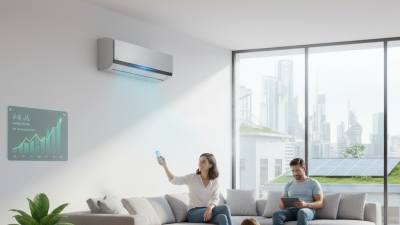
Benefits of smart AC go beyond mere convenience. They offer remote control features, energy usage tracking, and integration with smart home systems. The Global Smart AC Market is expected to reach over $20 billion by 2025, indicating strong consumer interest. However, many potential buyers may overlook essential features that could enhance performance and energy savings.
Investing in a smart AC can be daunting. With so many options available, it's important to carefully consider functionality, cost, and brand reliability. This guide aims to provide insights into the key features to evaluate before making a purchase. Understanding these elements can lead to informed decisions that enhance comfort while reducing energy bills.
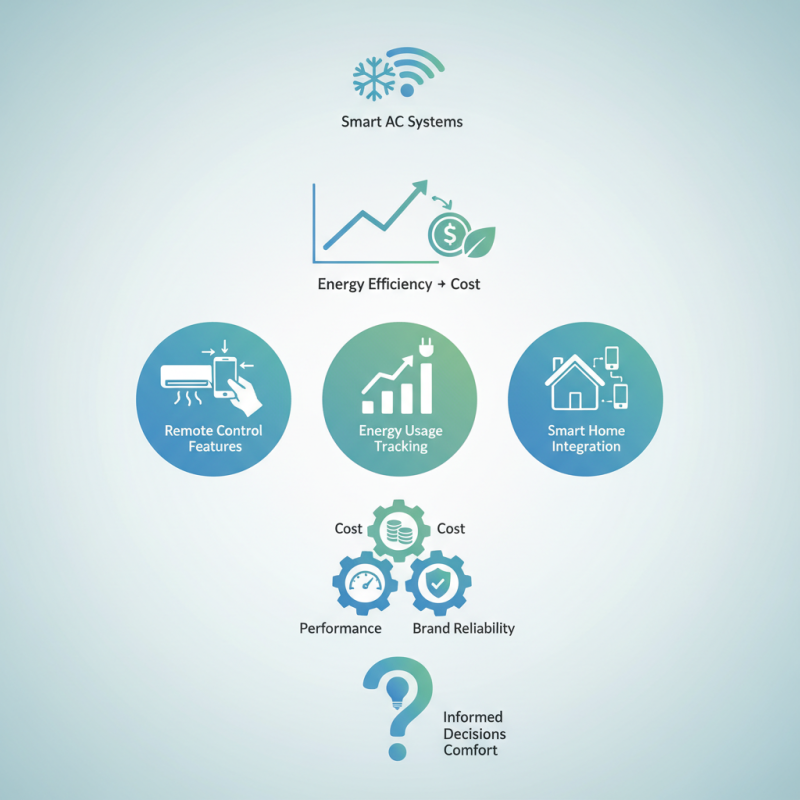
Key Factors to Consider When Buying a Smart Air Conditioner
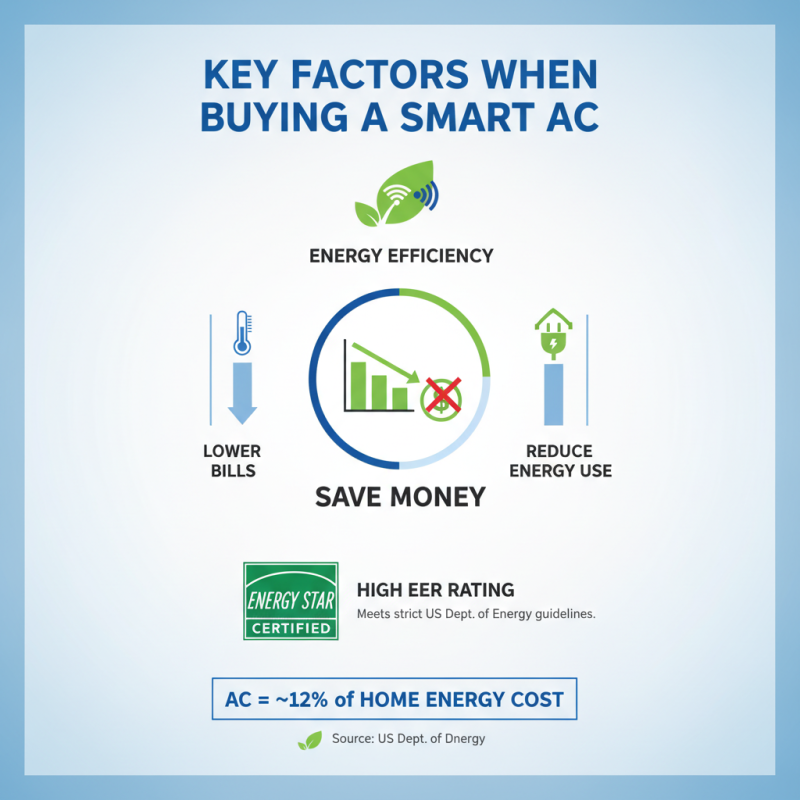
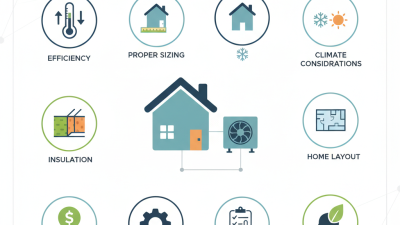
When considering a smart air conditioner, several key factors come into play. Energy efficiency is paramount. According to the U.S. Department of Energy, air conditioning accounts for nearly 12% of total energy expenses. Choosing a model with a high Energy Efficiency Ratio (EER) can significantly lower your monthly bills. Look for units with ENERGY STAR certification as they meet strict energy efficiency guidelines.
Connectivity is another critical feature. Smart AC units often integrate with home automation systems. This allows for remote control via smartphone apps. A report by Technavio indicates that the smart air conditioner market is expected to grow by over 20% annually through 2025. This growth is fueled by the increasing demand for convenience and energy management. However, not all models support every smart home platform, so check compatibility beforehand.
Ease of installation also matters. Some models offer DIY installation options, while others may require professional help. A survey from HomeAdvisor found that installation costs can vary widely, leading to unexpected expenses. Investing in a smart AC should provide value, but be cautious of hidden costs. Proper research can lead to a more satisfactory purchase experience.
Understanding Different Types of Smart Air Conditioners
As the demand for energy-efficient cooling solutions rises, understanding the different types of smart air conditioners becomes essential. Smart AC units can be broadly categorized into window units, portable units, and central systems. Each type offers unique features and benefits tailored to various needs. Window units are often more affordable and suitable for single rooms. They can be controlled remotely, allowing users to adjust settings before entering their homes.
Portable air conditioners are versatile and easy to move between rooms. They provide cooling without permanent installation, making them ideal for renters. However, they may require a window kit for venting exhaust. Central air conditioning systems, on the other hand, offer whole-home comfort. These systems can integrate with smart home networks, giving users advanced control over temperature settings throughout the house.
While smart features add convenience, some models can be complicated. Users may find navigating apps challenging. Additionally, not all smart ACs have the same energy efficiency ratings, which might lead to higher electricity bills if not chosen wisely. Researching each model's features is crucial to ensure it meets individual needs and budgets. Making informed choices boosts the reliability and effectiveness of your air conditioning system.
Smart Air Conditioner Features Comparison
Essential Features for Enhanced Energy Efficiency
When considering an air conditioner, energy efficiency should be a top priority. Smart AC units come with essential features that can significantly reduce energy consumption. Look for models with programmable thermostats. These allow you to set cooling schedules based on your daily routine. This flexibility ensures your home remains comfortable without wasting energy when you are not around.
Invest in models with energy-saving modes. These modes automatically adjust the temperature and fan speed for optimal performance. This can lead to noticeable savings on utility bills. Many smart ACs also offer integration with home automation systems. This feature allows for remote control and monitoring through your smartphone, maximizing convenience and efficiency.
Tips: Choose an air conditioner with a high Energy Efficiency Ratio (EER). A higher rating translates to better efficiency. Don't forget to check the SEER rating as well. Seasonal ratings give a better idea of an AC's performance throughout the year. Consider your local climate before making a final decision. An AC unit that is too large for your space can lead to short cycling and increased energy costs.
Smart AC Buying Guide: What Features Should You Consider?
| Feature |
Description |
Importance |
Energy Efficiency Rating |
| Smart Connectivity |
Ability to control via mobile apps, voice commands, and integration with smart home systems. |
High |
A++ |
| Inverter Technology |
Adjusts the compressor speed based on cooling needs, leading to energy savings. |
High |
A+++ |
| Energy Star Certified |
Meets strict energy efficiency guidelines set by the U.S. Environmental Protection Agency. |
Very High |
A++ |
| Programmable Thermostat |
Allows you to set schedules for temperature changes, reducing energy use when not home. |
Medium |
A+ |
| Air Quality Features |
Includes air purifiers, humidity control, and ventilation systems for improved indoor air quality. |
High |
A++ |
User-Friendly Controls and Interfaces in Smart ACs
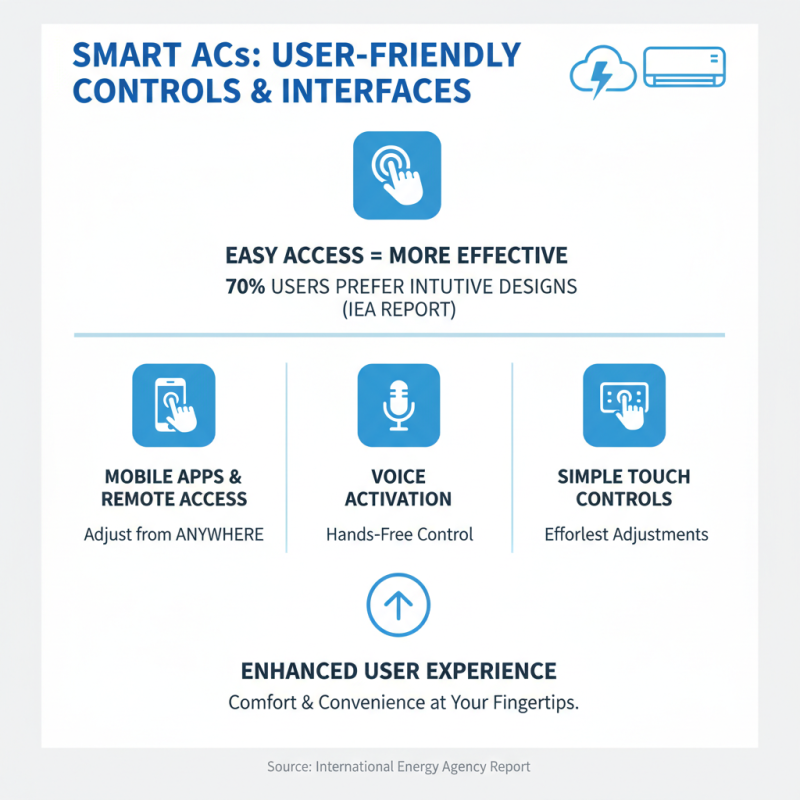
User-friendly controls play a crucial role in the effectiveness of smart air conditioners. According to a recent report by the International Energy Agency, 70% of users prefer interfaces that allow easy access to settings. This trend highlights the importance of intuitive designs. Simple touch controls, mobile apps, and voice activation significantly enhance user experience. Features like remote access allow users to adjust temperatures from anywhere.
The design of these controls should cater to all ages. Older users may struggle with complex interfaces. Research shows that devices with straightforward menus have higher user satisfaction rates, indicating a need for simplification. While some models offer advanced features, they can overwhelm users. Manufacturers must balance innovation with usability.
It's also essential to consider customization options in smart ACs. Users appreciate the ability to create personalized cooling schedules. A survey conducted by HVAC professionals found that 85% of users value programmable settings. However, not every smart AC provides this feature. This gap can lead to frustration among consumers who expect convenience at their fingertips. Reassessing design choices based on user feedback can enhance product offerings significantly.
Integration with Smart Home Systems and IoT Devices
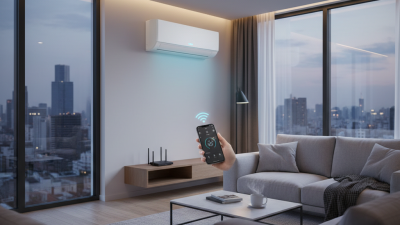
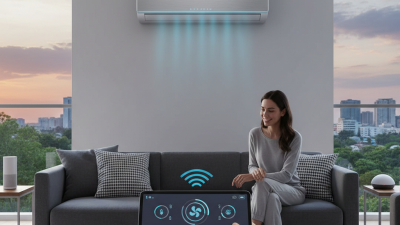
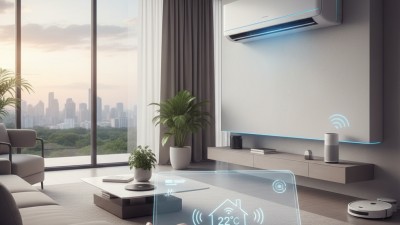
When buying a smart air conditioner, integration with smart home systems is key. A unit that works seamlessly with your existing devices can enhance your home's efficiency. Imagine controlling your AC through voice commands. This convenience is not just a luxury; it improves your daily routine. Many units come with apps that let you adjust settings remotely. This is helpful if you want a cool home upon arrival.
Furthermore, compatibility with IoT devices is crucial. Smart thermostats can learn your habits and optimize energy usage. They adjust temperatures based on your preferences, which saves energy and reduces bills. However, not all smart ACs support these features. Some may require a specific hub or platform. Be cautious when selecting a model; researching its compatibility is essential.
Security is another consideration. Smart devices can be vulnerable to cyberattacks. Regular updates and secure connections are necessary for safety. The effectiveness of your smart AC can depend on robust security practices. Reflecting on these aspects can help make a better choice.