Top Smart Air Conditioner Features You Need to Know Before Buying
In the age of technological advancements, the quest for comfort in our homes has led to the evolution of the smart air conditioner. According to leading HVAC expert Dr. Emily Turner, “A smart air conditioner not only cools your home but also optimizes energy use, making it an essential addition for any modern household.” With the integration of cutting-edge technology, these devices offer functionality far beyond traditional cooling solutions, including remote control access, energy efficiency, and personalized climate settings.
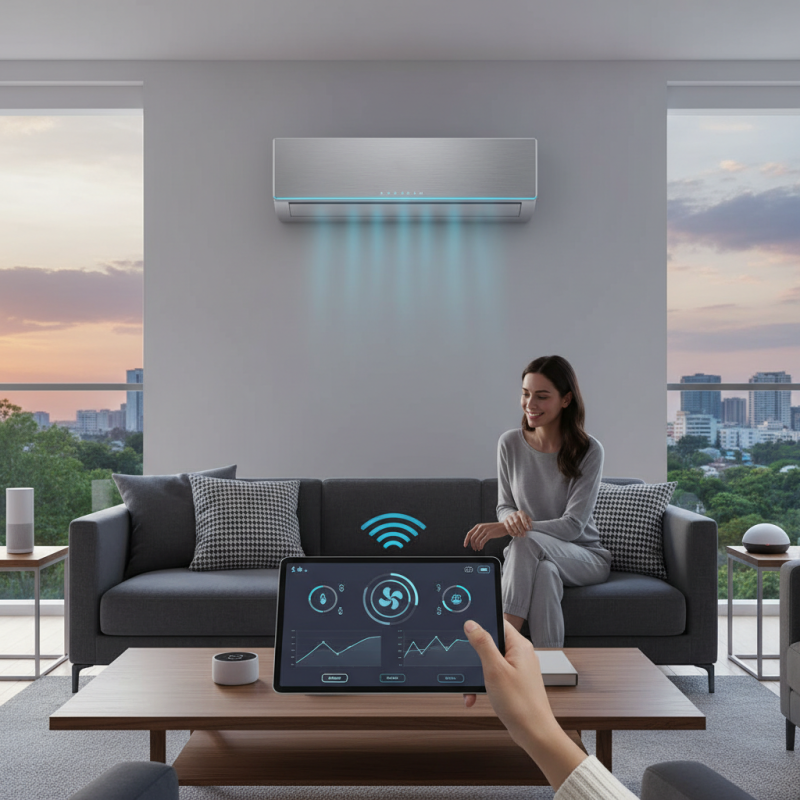
As consumers seek greater comfort and sustainability, understanding the key features of smart air conditioners is crucial. The ability to control your home's temperature from your smartphone or tablet is just the beginning. Many models also incorporate smart home integration, allowing for seamless interactions with other devices in your home. Moreover, advanced sensors adapt to your preferences and routines, enhancing convenience and efficiency.
Before investing in a smart air conditioner, potential buyers should be aware of the essential features that can greatly impact their comfort and cost savings. By diving into the specific attributes that define a truly intelligent cooling unit, consumers can make informed decisions that align with their lifestyle and budget, ultimately ensuring a more enjoyable living environment.
Key Features to Look for in Smart Air Conditioners
When considering the purchase of a smart air conditioner, there are several key features that can enhance both comfort and efficiency. One of the primary attributes to look for is smart scheduling capabilities. This feature allows users to set specific times for the air conditioner to operate, ensuring that the room reaches the desired temperature before you arrive home.
Additionally, a unit with geofencing technology can automatically adjust settings based on the user's proximity, leading to energy savings by reducing operation when no one is home.
Another important aspect to consider is compatibility with smart home systems. An air conditioner that integrates seamlessly with existing smart devices, such as voice assistants and home automation systems, provides a user-friendly experience. Moreover, energy efficiency ratings are crucial; look for models that are Energy Star certified to help minimize electricity bills without sacrificing performance. Lastly, a user-friendly mobile app can offer added convenience, allowing remote control and monitoring of the air conditioner from anywhere, providing peace of mind and adaptability to changing weather conditions.
Energy Efficiency Ratings and Their Importance
When considering the purchase of a smart air conditioner, understanding energy efficiency ratings is critical. The Seasonal Energy Efficiency Ratio (SEER) is a key metric that measures the cooling output over a typical cooling season divided by the total electric energy input during the same period. According to the U.S. Department of Energy, air conditioners with a SEER rating of 14 or higher are considered energy-efficient. Upgrading to a unit with a higher SEER rating can lead to significant savings on energy bills, as these systems use less energy to produce the same level of cooling compared to older models.
Furthermore, the Energy Efficiency Ratio (EER) is another essential rating, particularly important for areas with hotter climates where air conditioning use is more intense. A higher EER means better efficiency during peak cooling demand. A recent study indicated that systems with a high EER can use up to 30% less energy compared to lower-rated units when functioning at peak capacity. By investing in air conditioners with high SEER and EER ratings, consumers not only contribute to environmental sustainability by reducing carbon footprints but also enjoy long-term financial savings. Prioritizing energy efficiency ratings can make a considerable difference in both operational costs and the overall efficiency of cooling systems in use.
Connectivity Options: Wi-Fi, Bluetooth, and Smart Home Integration
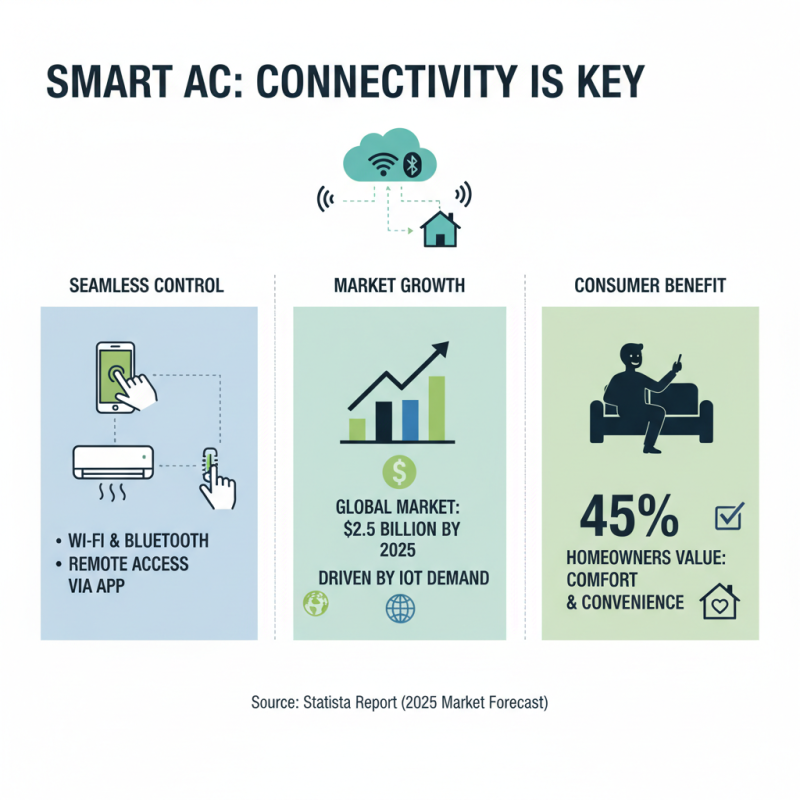
When choosing a smart air conditioner, connectivity options are among the most critical features to consider. With the rise of the Internet of Things (IoT), smart air conditioners typically come equipped with Wi-Fi and Bluetooth capabilities, allowing users to control temperature settings and modes remotely via their smartphones. According to a report by Statista, the global smart air conditioner market is expected to reach approximately $2.5 billion by 2025, driven largely by the demand for connected home technologies. This demonstrates the growing importance of connectivity in consumer electronics, with 45% of homeowners indicating that controlling their appliances through mobile applications significantly enhances their comfort and convenience.
Moreover, integration with smart home ecosystems plays a pivotal role in the selection process. Features such as compatibility with platforms like Amazon Alexa or Google Assistant allow users to manage their air conditioning units with voice commands. A survey by SmartHome Labs found that over 53% of users prefer appliances that seamlessly integrate into their smart home systems, highlighting the necessity for comprehensive compatibility when purchasing a smart air conditioner. Additionally, the ability to automate settings based on user habits, such as adjusting temperatures based on time of day or occupancy, not only enhances comfort but can also contribute to energy savings, with some users reporting reductions of up to 20% in their energy bills annually when utilizing smart technology.
Smart Control Features: Apps and Voice Commands
When considering a smart air conditioner, one of the most significant aspects to evaluate is its smart control features, especially regarding apps and voice commands. According to a recent report by MarketsandMarkets, the global smart home market is projected to reach $174 billion by 2025, with a significant portion attributed to smart climate control devices. These air conditioners not only provide comfort but also integrate seamlessly with your home automation systems, allowing for enhanced user experience.
Modern smart air conditioners often come equipped with dedicated mobile applications that enable you to manage your cooling preferences remotely. Features such as scheduling, temperature control, and energy monitoring empower users to optimize energy consumption. A study from the American Council for an Energy-Efficient Economy highlights that using smart thermostats and controls can reduce energy usage by up to 10-30%, thereby not only saving money but also benefiting the environment.
Additionally, many smart air conditioners support voice commands through platforms like Amazon Alexa or Google Assistant, making it easier than ever to adjust settings without lifting a finger. This hands-free functionality adds convenience, especially during busy days when multi-tasking is essential.
Overall, understanding the importance of smart control features when selecting an air conditioner can significantly enhance your living environment and contribute to energy efficiency goals. As more consumers become tech-savvy, the demand for these intelligent features continues to grow, reinforcing the trend toward a smarter, more connected home.
Variable Speed Technology and Its Benefits
Variable speed technology is a revolutionary advancement in air conditioning systems that greatly enhances energy efficiency and comfort levels in your home. Unlike traditional units that operate at a fixed speed, variable speed air conditioners can adjust their compressor and fan speeds according to the cooling needs of the space. This means they can run at lower speeds for longer periods, maintaining a consistent and comfortable indoor temperature while avoiding the significant energy spikes associated with frequent on-and-off cycling.
One of the primary benefits of variable speed technology is its ability to significantly reduce energy consumption. By optimizing runtime and minimizing energy waste, these systems can provide substantial savings on monthly utility bills. Additionally, the quieter operation of variable speed units enhances indoor comfort, as they eliminate the disruptive noise typical of traditional air conditioning systems. Overall, investing in a variable speed air conditioner not only improves energy efficiency but also contributes to a more serene and pleasant living environment.
Top Smart Air Conditioner Features You Need to Know Before Buying
This chart illustrates customer interest levels in various smart air conditioner features, highlighting the benefits of variable speed technology, Wi-Fi connectivity, smart thermostats, energy efficiency, and quiet operation. Understanding these features can help you make an informed purchasing decision.