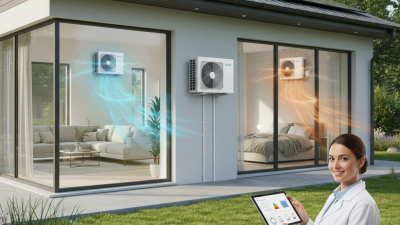
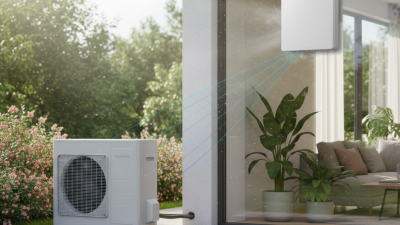
What is a split heat pump and how does it work?
In recent years, the split heat pump has gained significant attention in the HVAC industry. This system is designed to efficiently provide heating and cooling by separating its components, typically consisting of an indoor and outdoor unit. John Smith, a renowned HVAC expert, states, "A split heat pump offers unparalleled flexibility in temperature control."
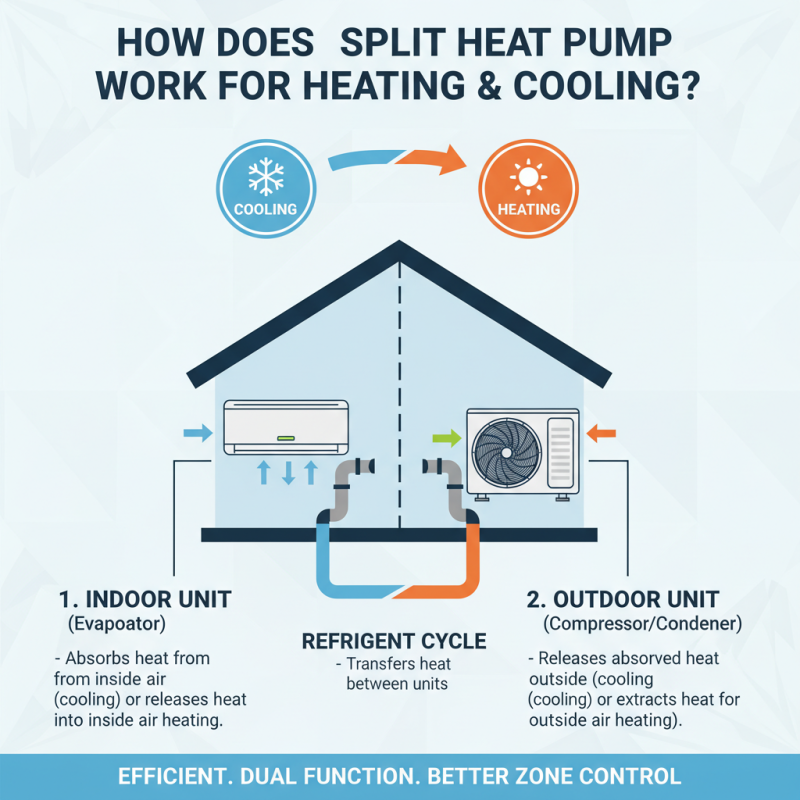
The working principle of a split heat pump relies on the refrigeration cycle. The outdoor unit absorbs heat from the environment, even in cold conditions. This heat then gets transferred to the indoor unit, warming your living space. The efficiency of a split heat pump often converts energy into heat more effectively than traditional systems.
However, many users might not understand maintenance requirements. Regular servicing is crucial for optimal performance. Some installations may also face space limitations, complicating the setup process. Reflecting on these challenges can ensure more effective use of split heat pumps, ultimately maximizing their benefits for homeowners.
What is a Split Heat Pump?
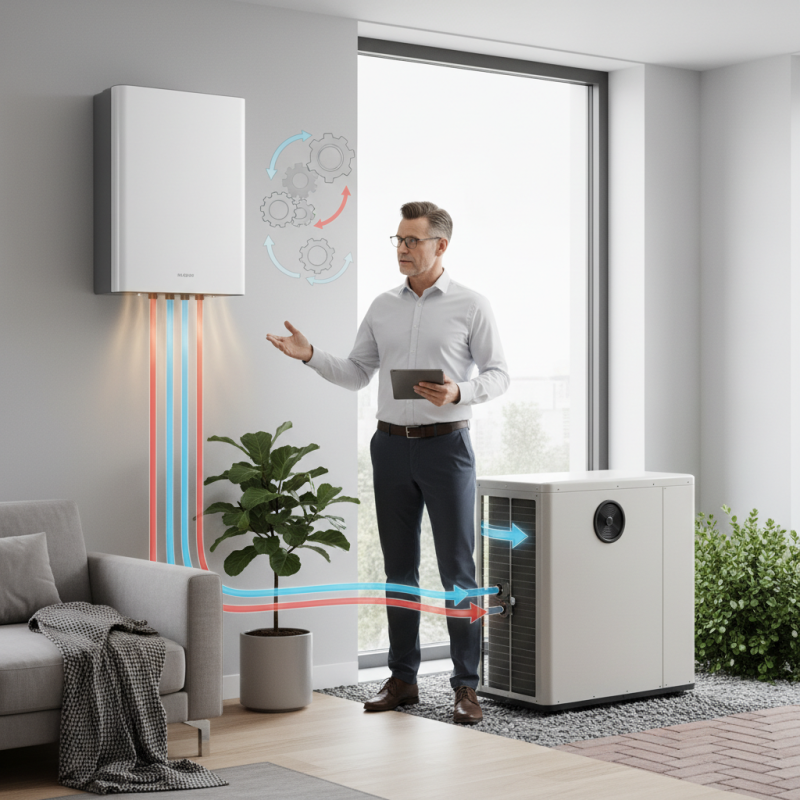
A split heat pump is a heating and cooling system designed for efficient climate control. It consists of two main units: an indoor unit and an outdoor unit. The indoor unit maintains the desired temperature inside your home. The outdoor unit absorbs heat or releases it, depending on the season. This design allows for flexibility and efficiency in energy use.
During the winter, the outdoor unit extracts heat from the air outside. Even in cold weather, some heat is still available. It transfers this warmth to the indoor unit. In warmer months, the process reverses. The system can cool your home by removing heat from inside and venting it outdoors. This bidirectional function makes split heat pumps versatile.
Despite their advantages, split heat pumps may face some limitations. They can struggle in extremely low temperatures, affecting performance. Installation might require adequate space, which not every home offers. Some users might find the initial setup cost intimidating. Understanding these factors is crucial for making informed decisions.
Energy Efficiency of Split Heat Pumps
This chart illustrates the performance metrics of a split heat pump, showcasing its heating and cooling capacity, energy consumption, and potential cost savings. These values provide insight into the efficiency and effectiveness of split heat pumps in residential and commercial applications.
Components of a Split Heat Pump System
A split heat pump system consists of two main components: an outdoor unit and an indoor unit. The outdoor unit contains a compressor and a coil that absorbs heat from the air, even in colder weather. This heat is then transferred into the indoor unit through refrigerant pipes. The indoor unit, typically equipped with a fan and an additional coil, distributes the warm air throughout the space.
The flexibility of split heat pumps is intriguing. They can function for both heating and cooling, depending on the season. In winter, they extract heat from outside and deliver it indoors. During summer months, the process reverses, cooling the indoor air. However, one challenge is their performance in extremely low temperatures. Efficiency can drop, leading to increased energy consumption.
Proper installation is essential for optimal performance. A poorly placed outdoor unit may struggle to provide sufficient heat. Regular maintenance is also necessary. Filters and coils can accumulate dirt, impacting efficiency. Homeowners should be mindful of these details to ensure their split heat pump operates effectively throughout its lifespan.
How Does a Split Heat Pump Provide Heating and Cooling?
A split heat pump is an efficient system for heating and cooling. It consists of two main parts: the indoor unit and the outdoor unit. This design allows for better temperature control in different areas of a home.
The operation begins with the outdoor unit absorbing heat from the air outside. Even in winter, there is warmth in the air. The heat pump uses refrigerant to transfer this heat indoors. The indoor unit distributes the warmth throughout the space. Conversely, during hotter months, the process reverses. It extracts heat from inside and releases it outdoors. This dual functionality makes split heat pumps versatile.
While these systems are effective, they aren't perfect. Installation can be tricky. If not placed correctly, airflow might be reduced. Maintenance is essential. Neglecting it can lead to inefficiency. Users may notice uneven heating or cooling if the system isn't balanced. Careful monitoring can help improve overall performance. Some might find the noise level bothersome. It’s a good idea to consider these aspects when choosing a heating and cooling solution.
Benefits and Efficiency of Split Heat Pumps
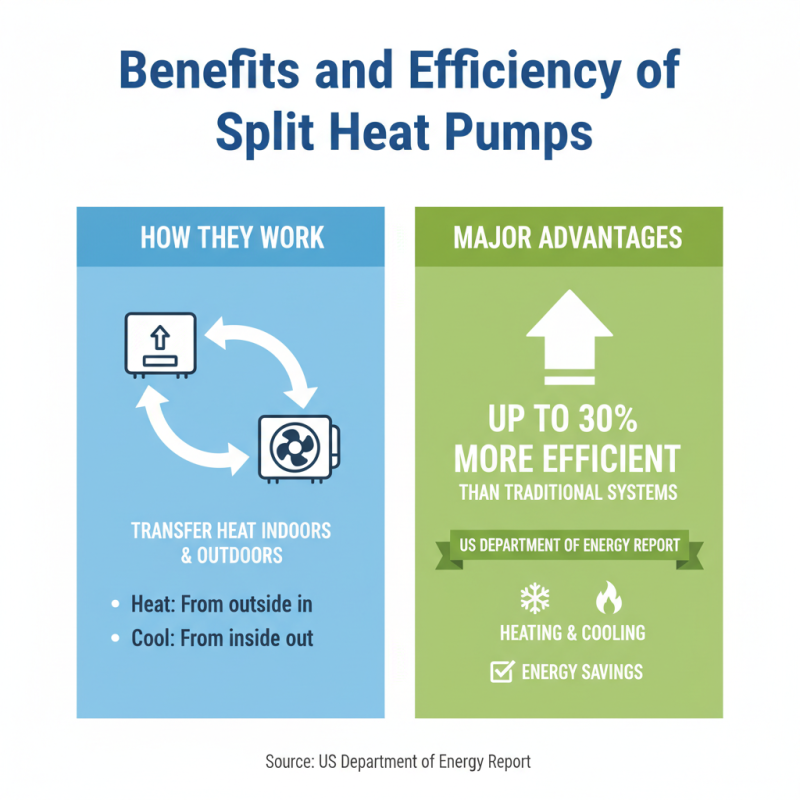
Split heat pumps offer an efficient way to both heat and cool spaces. They work by transferring heat between indoor and outdoor environments. Efficiency is a main advantage. According to a recent report by the U.S. Department of Energy, split heat pumps can provide up to 30% more efficiency than traditional heating systems.
These systems utilize advanced technology, which allows for precise temperature control. With low-energy use and high performance, they are good for the environment. Energy Star estimates that households using split heat pumps can save around $400 annually on energy bills. That’s significant savings, especially for larger homes.
Tips: Regular maintenance boosts performance. Clean filters monthly and schedule professional check-ups. Also, consider installing a programmable thermostat. This allows for optimal energy use. Even small adjustments can lead to large savings over time. Investing in a split heat pump can enhance comfort while seeking efficiency. Remember: every bit counts.
Common Installation and Maintenance Considerations for Split Heat Pumps
Split heat pumps are gaining popularity for their efficiency. Proper installation is crucial for maximum performance. Placing the indoor and outdoor units correctly ensures optimal airflow and heat exchange. The outdoor unit should be in a location free from obstructions. Nearby trees or buildings can hinder operation, leading to inefficiencies.
Routine maintenance is essential for split heat pumps. This includes cleaning or replacing air filters regularly. A blocked filter can reduce airflow and make the system work harder. Additionally, inspecting refrigerant levels is important. Low refrigerant can indicate leaks, which can lead to costly repairs. Homeowners sometimes overlook these details, thinking they are not significant, but they are vital for longevity.
Pay attention to sounds from the unit. Unusual noises may suggest mechanical issues. Regularly check for any visible signs of wear. This proactive approach can prevent major problems. Some users may ignore these signs, believing the system will function normally. However, neglecting maintenance can lead to inconvenient breakdowns and unexpected costs.
What is a split heat pump and how does it work? - Common Installation and Maintenance Considerations for Split Heat Pumps
| Dimension |
Description |
Importance |
| COP (Coefficient of Performance) |
Measures heating efficiency; higher COP means better performance. |
Critical for assessing operational costs. |
| Installation Location |
Indoor and outdoor units need optimal placement for maximum efficiency. |
Affects performance and lifespan. |
| Refrigerant Type |
Common refrigerants include R-410A and R-32; affects efficiency and environmental impact. |
Important for energy efficiency and compliance with regulations. |
| Regular Maintenance |
Includes cleaning filters and checking refrigerant levels; essential for peak operation. |
Prolongs system life and efficiency. |
| Noise Level |
Measured in decibels (dB); operational noise can impact comfort. |
Considered for installation in residential areas. |
| Seasonal Performance Factor (SPF) |
Reflects efficiency over a season; important for overall energy consumption assessment. |
A key metric for understanding potential energy savings. |