How to Split Heating and Cooling for Maximum Efficiency?
Efficient energy management in buildings is crucial. According to the U.S. Department of Energy, nearly 40% of energy consumption in commercial buildings comes from heating and cooling. This highlights the need for optimal systems in both areas. Split heating and cooling systems can play a significant role in enhancing energy efficiency.
By separating heating and cooling functions, systems can better adapt to specific needs. The market for these systems is projected to grow significantly. A report from Grand View Research estimates a compound annual growth rate of 5.6% through 2025. Despite the advantages, many buildings still rely on outdated methods. This can lead to wasted energy and increased costs.
Understanding the intricacies of split heating and cooling is essential. Each building presents unique challenges. Professionals must analyze factors such as insulation, design, and local climate. Relying on standard practices may not yield the best results. Instead, tailored solutions provide greater efficiency. The pursuit of maximum energy savings is not just a trend; it’s a necessity for sustainable development.
Understanding the Basics of Heating and Cooling Systems
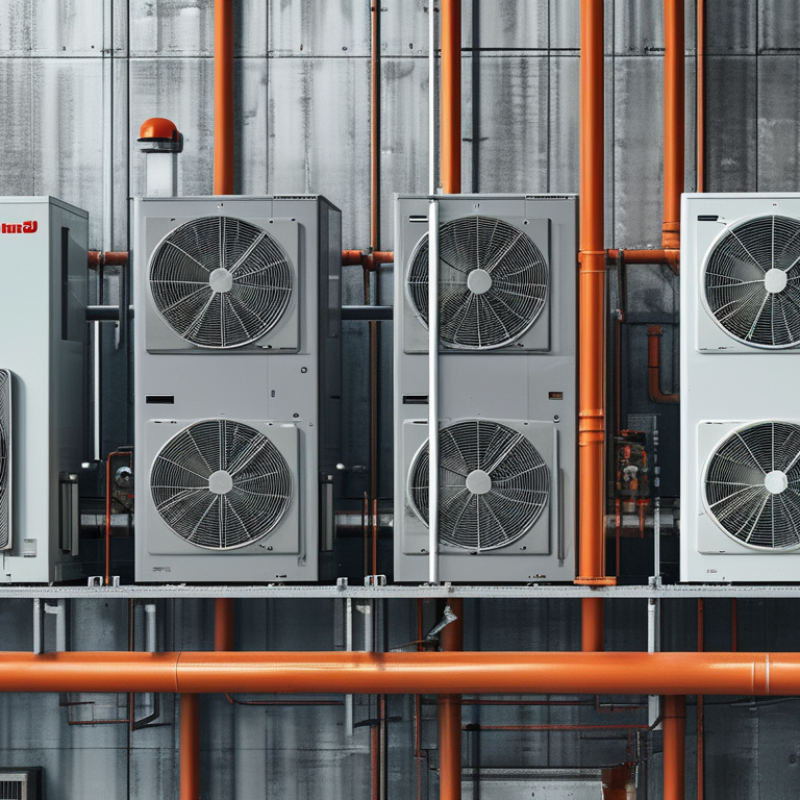
Heating and cooling systems are essential for maintaining comfort in our homes. Understanding their basics can help us improve efficiency. Heating systems can be central or localized. Central systems distribute warmth using ducts, while localized systems often involve electric heaters or radiators. Each type has its strengths and weaknesses, influencing your energy bills and comfort levels.
Cooling systems, including air conditioners and evaporative coolers, also play a vital role. They function differently. Air conditioners remove heat from air, while evaporative coolers use water evaporation to cool. The choice between these options depends on climate and personal comfort. It's crucial to assess how well each system runs in your home.
However, not all systems operate efficiently. Some may have leaks or need service. Regular maintenance is sometimes overlooked. Filters should be checked and replaced. Understanding these aspects can lead to better performance. Investing time in these basics ensures a comfortable environment while maximizing energy use.
Assessing Your Home's Energy Needs for Optimal Efficiency
Understanding your home's energy needs is crucial for maximizing heating and cooling efficiency. Many homeowners overlook this initial step, leading to wasted energy and higher bills. Research from the U.S. Department of Energy indicates that inefficient systems can waste up to 30% of energy usage. A detailed energy assessment helps pinpoint these inefficiencies.
Start by evaluating your home's insulation. Good insulation keeps desired temperatures stable, reducing heating and cooling loads. According to the Building Performance Institute, a well-insulated home can decrease energy consumption by 20-50%. You should also inspect windows and doors for drafts. A simple weatherization project can significantly improve efficiency.
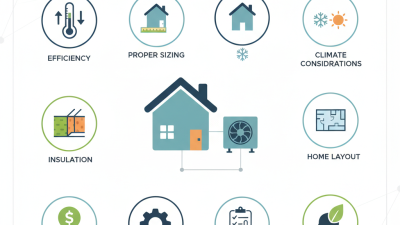
Next, consider your heating and cooling equipment. Systems should be sized correctly for your space. A 2020 report from Energy Star reveals that improperly sized systems can operate 20-40% less efficiently. This mismatch can lead to frequent cycling and increased wear. Regular maintenance, such as filter changes and system checks, ensures your system runs smoothly.
Many homeowners grapple with energy efficiency, but taking a proactive approach can yield significant savings. Identifying areas for improvement is a step towards a more comfortable living environment. Balancing heating and cooling needs requires attention and reflection.
Dividing Spaces: The Importance of Zoning in HVAC Systems
Zoning in HVAC systems is crucial for maintaining comfort and efficiency. By dividing spaces into specific zones, homeowners can better control temperature in different areas. This targeted approach helps avoid over-heating or over-cooling, potentially saving on energy bills. It allows for customized settings, catering to individual preferences in each room.
However, zoning isn’t without its challenges. If not properly implemented, some zones may remain too warm while others are too cold. This imbalance can occur due to poor design or lack of adequate insulation. Regular maintenance is also essential; filters can clog and dampers may fail, leading to inefficient operation. Homeowners must remain vigilant about their system's performance to ensure optimal efficiency.
Understanding the specific needs of each space is vital. Not all rooms require the same heating or cooling levels. For example, a sunroom may need more cooling during peak summer. Conversely, a basement often requires additional heating. By carefully assessing these details, homeowners can achieve a well-balanced HVAC system that truly enhances comfort.
Heating and Cooling Efficiency by Zone
Choosing the Right Equipment for Heating and Cooling Split
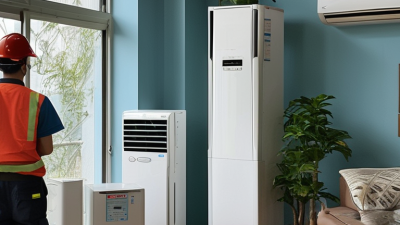
When selecting equipment for heating and cooling, it is vital to evaluate the unique needs of your space. Consider factors like size, insulation, and local climate. A system that works well in one environment may struggle in another. Take the time to research various options, as this can significantly impact your energy efficiency.
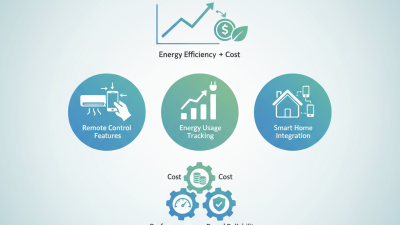
Energy-efficient models often come with advanced features. Look for programmable thermostats or variable-speed fans. These features help maintain a consistent temperature, avoiding drastic fluctuations. Balancing the heating and cooling loads can lead to cost savings over time. However, this requires thoughtful installation and maintenance.
Sometimes, it's easy to overlook the importance of proper installation. An incorrectly installed system can lead to inefficiencies, even with the best equipment. Regular checks and servicing are essential. Mistakes can turn savings into expenses. Don't hesitate to contact professionals for advice. Their experience can guide you in making informed decisions.
Maintaining Efficiency: Regular Upkeep and Monitoring Techniques
Regular upkeep is essential for efficient heating and cooling systems. Clean filters at least once a month. This simple task can boost air quality and ensure effective airflow. Neglected filters lead to reduced performance and higher energy bills. Monitor the temperature settings too. Small adjustments can create noticeable changes in energy consumption.
Scheduling routine inspections can help identify potential issues early. Trained technicians can spot inefficiencies that might go unnoticed. Sometimes, parts may wear out, leading to unexpected failures. Addressing these small issues can prevent major breakdowns later.
Energy monitoring systems are another effective tool. They provide real-time data on usage patterns. This insight allows homeowners to adjust habits based on energy consumption. Using programmable thermostats can also lead to significant energy savings. Thoughtful strategies like these support long-term efficiency and comfort within your home.