Before the first hot shipment arrives, buyers should understand why a summer AC tune up matters. Richard Trethewey, a longtime HVAC expert featured by This Old House, has said, “Preventive maintenance keeps small problems from becoming expensive repairs.” That principle applies across residential, commercial, and light industrial systems. However, service needs vary by climate, refrigerant type, equipment age, and local installation quality.
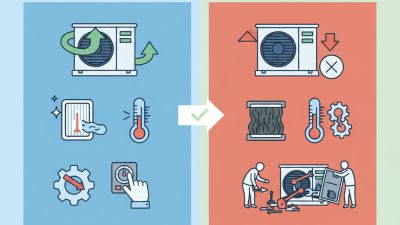
A proper summer AC tune up is more than changing an air filter. Technicians should inspect electrical connections, measure refrigerant performance, clean condenser coils, test drainage, and check airflow. A dusty outdoor coil can make a unit work harder under direct sunlight. A blocked drain pan may cause water stains, odors, or unexpected shutdowns. Small details matter.
Global buyers should also request clear service records, compatible replacement parts, warranty terms, and technician qualifications. Energy efficiency labels can help, but they do not tell the whole story. Poor sizing may still create uneven cooling and frequent cycling. That is easy to miss.
Real-world maintenance is not perfect. A tune-up cannot repair neglected ductwork or fix every aging compressor. Buyers should question vague promises and compare measured results before and after service. Even a simple checklist can reveal missed steps. This guide explores seven practical summer AC tune up tips, helping international buyers make safer, more informed purchasing and maintenance decisions.

A summer AC tune-up checks more than cooling performance. It confirms that the system can operate safely in its target market. A qualified technician should inspect filters, indoor coils, outdoor coils, fan blades, and drain lines. Dirty coils can raise energy use and reduce airflow. Blocked drains may cause water damage near walls or flooring.
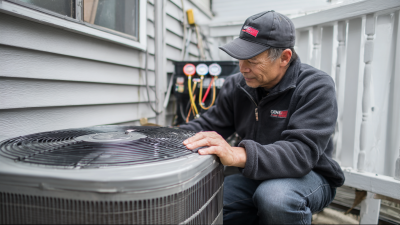
Electrical terminals need tightening, while capacitors and wiring should show no heat damage. The technician should test thermostat accuracy and measure supply and return air temperatures. Refrigerant pressure must match the equipment specification. Do not guess. Incorrect charging can damage the compressor and violate local environmental rules. Global buyers should also verify voltage, frequency, plug design, and required safety certifications before installation.
Airflow testing is often overlooked. A weak reading may indicate crushed ducts, an undersized return, or a clogged filter. Small details matter. The service report should record measured temperatures, electrical readings, refrigerant findings, and replaced parts. This creates useful evidence for warranty discussions and future maintenance. However, a checklist can create false confidence. A coastal unit may need corrosion inspection, while a dusty inland site may need more frequent filter cleaning. Tune-up intervals should reflect climate, operating hours, and installation quality, not just a calendar reminder.
7 Summer AC Tune Up Tips for Global Buyers
Inspecting and Cleaning Essential Air Conditioner Components
Before summer operation, switch off the power at the disconnect and circuit breaker. Check the filter for dust, pet hair, and moisture, then replace or wash it according to its material. A blocked filter restricts airflow and can strain the compressor. Inspect the indoor coil with a flashlight. If dirt covers the fins, use a soft brush and approved, non-corrosive cleaner.
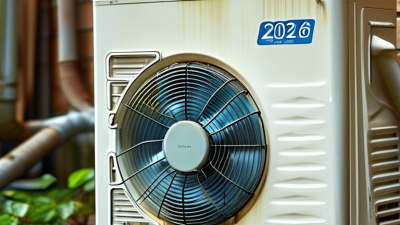
Clean the outdoor coil gently from the inside outward when possible. Remove leaves, grass, and plastic bags from the cabinet. Keep the fins straight, but do not force them. Bent fins reduce heat transfer. Examine the condensate drain pan and line for standing water, algae, or rust. A narrow, flexible brush can clear light buildup. Drain problems are easy to miss.
Check the fan blades, insulation, and visible wiring for cracks, looseness, or burn marks. Do not open sealed electrical sections without qualified training. Refrigerant work also requires certified personnel and compliance with local regulations. After cleaning, restore power and measure airflow at the supply vents. Listen for grinding, buzzing, or repeated cycling. A slight rattle may seem harmless, but it can signal a loose panel.
Different climates demand different service intervals. Coastal air, desert dust, and tropical humidity change cleaning needs. Keep notes, including filter dates and unusual sounds. Even careful inspections miss hidden coil dirt, so professional testing remains worthwhile before peak demand.
7 Summer AC Tune Up Tips for Global Buyers
Checking Refrigerant, Electrical Systems, and Safety Controls
Summer commissioning should begin with the refrigerant circuit. Check operating pressures, superheat, subcooling, and temperature split against the equipment data. A pressure reading alone can mislead. Inspect joints for oil traces, then use an approved leak detector. Recover refrigerant; never vent it. The International Energy Agency’s 2018 The Future of Cooling report estimates that cooling already uses nearly 10% of global electricity. Small losses can become expensive quickly.
Verify supply voltage, phase balance, grounding, terminal tightness, and capacitor condition. Measure current under load, not only during startup. Inspect contactors for pitting and wiring for heat discoloration. Confirm airflow through clean filters, coils, and unobstructed outdoor heat exchangers. The U.S. Energy Information Administration’s 2020 Residential Energy Consumption Survey reported that space cooling represented about 9% of household energy use. Poor airflow can quietly increase that demand.
Test high- and low-pressure switches, freeze protection, fan-delay logic, condensate shutoff, and emergency isolation. Confirm that controls reset correctly after a fault. For global purchases, match voltage, refrigerant type, electrical frequency, and local installation rules before delivery. A qualified technician should document readings, photographs, and corrective work. One practical weakness remains: rushed inspections often record “normal” without numbers. That is not reliable evidence. Safety controls deserve a live test.
| No. | Inspection Area | Recommended Action | Normal Condition | Warning Signs | Suggested Timing | Safety and Compliance Note |
|---|---|---|---|---|---|---|
| 1 | Refrigerant Charge | Check for visible oil marks, damaged tubing, and suspected leaks. Measure operating conditions with calibrated instruments and charge only according to the equipment data plate and service instructions. | Stable cooling, no frost on the indoor coil or suction line, and operating readings consistent with the specified refrigerant and outdoor conditions. | Weak cooling, hissing sounds, ice formation, repeated low-charge symptoms, or oily residue near joints. | Before the cooling season and whenever cooling performance drops. | Do not vent refrigerant. Leak repair, recovery, evacuation, and charging should be performed by qualified personnel in accordance with local regulations. |
| 2 | Air Filters and Airflow | Clean or replace filters according to the equipment instructions. Inspect return grilles, supply registers, ducts, and the indoor coil for blockage or heavy dust. | Strong, even airflow from supply outlets and a clean filter surface without excessive dust buildup. | Reduced airflow, uneven room temperatures, dusty air, coil icing, or unusually long cooling cycles. | Inspect monthly during heavy-use periods; replace or clean as required by filter condition and local air quality. | Turn off the unit before removing filters. Use replacement filters with the correct dimensions and airflow rating. |
| 3 | Electrical Connections | Inspect terminals, contactors, capacitors, disconnects, wiring insulation, and grounding. Tighten or replace components only when permitted by the service procedure. | No discoloration, melted insulation, loose terminals, unusual buzzing, or signs of overheating. | Burn marks, corrosion, nuisance tripping, flickering controls, hot electrical odor, or repeated start failures. | During the annual tune-up and after power-quality problems or storm events. | Disconnect and isolate electrical power before opening panels. Electrical testing must be carried out by a qualified technician. |
| 4 | Condenser Coil and Outdoor Airflow | Remove leaves and debris from the outdoor unit, clean the coil using an approved method, and maintain the clearance specified by the installation instructions. | Clean coil fins, unobstructed discharge airflow, and stable operation without excessive vibration. | High operating temperature, rising energy use, shutdowns during hot weather, bent fins, or restricted airflow. | Before summer and after landscaping, construction, dust storms, or severe weather. | Keep hands and tools away from the fan and coil. Avoid high-pressure cleaning that can damage delicate fins. |
| 5 | Drainage and Moisture Control | Inspect the condensate pan, drain line, trap, pump, and termination point. Flush or clear the drain using a method approved for the system. | Condensate drains freely with no standing water, indoor leakage, algae blockage, or musty odor. | Water around the indoor unit, ceiling stains, overflow switch activation, or repeated drain blockages. | At the start of the cooling season and during humid-weather operation. | Do not mix drain-cleaning chemicals unless the equipment instructions allow it. Protect nearby electrical components from water. |
| 6 | Safety Controls and System Protection | Test applicable high- and low-pressure controls, overload protection, freeze protection, condensate overflow switches, and emergency shutoff functions. | Protective controls respond correctly during approved tests and reset only as designed. | Unexplained shutdowns, repeated resets, compressor overload trips, frozen coils, or water-related cutoffs. | Every scheduled professional service visit and after a major fault. | Never bypass a safety control to keep the system running. Replace failed devices with compatible, approved components. |
| 7 | Temperature Performance and Operating Test | Run the system long enough to stabilize. Record indoor and outdoor temperatures, supply and return air conditions, current draw, airflow, noise, and vibration. | Comfortable indoor conditions, consistent airflow, normal sound levels, and measurements within the equipment manufacturer's specified range. | Large room-to-room temperature differences, short cycling, unusual rattling, excessive vibration, or a noticeable increase in power consumption. | After maintenance, installation, relocation, or any significant change in cooling performance. | Use the equipment's rated voltage, frequency, refrigerant type, and performance data for evaluation; do not rely on a single temperature reading. |
General maintenance guidance: always follow the unit's installation and service documentation, applicable electrical codes, refrigerant regulations, and local occupational safety requirements.
7 Summer AC Tune Up Tips for Global Buyers
Improving Airflow, Efficiency, and Temperature Performance
A summer tune-up should begin with the air filter. A clogged filter restricts airflow and makes the compressor work harder. Replace it according to local dust levels, not only the calendar. Inspect supply vents and return grilles for furniture, curtains, or packaging materials. Small blockages can create uneven temperatures across a room. Check the indoor coil and blower wheel for dust buildup. Even a thin layer can reduce air movement. Not always obvious.
Outdoor units need clear space around their intake and discharge sides. Remove leaves, plastic, and fine debris carefully. Bent coil fins can also reduce heat transfer, so straighten them with a suitable fin tool. Measure airflow and temperature difference at the registers when possible. These readings offer stronger evidence than a simple “feels cool” test.
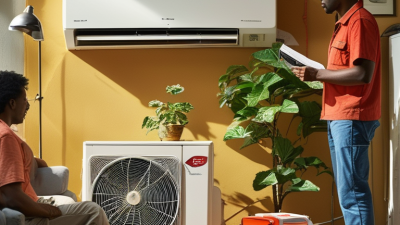
A qualified technician should test electrical connections, fan operation, condensate drainage, and refrigerant pressure. Refrigerant work requires proper training and compliance with local regulations. For global buyers, confirm that the unit matches local voltage, climate, humidity, and installation standards. Calibrate the thermostat against a reliable thermometer, especially after shipping or storage. Keep records of readings and unusual sounds. A perfect tune-up is unlikely; repeated measurements may reveal a weak fan, poor duct design, or an incorrect setting. Small corrections matter.
This chart shows typical planning intervals for seven summer AC tune-up checks. Regular filter, coil, drain, electrical, refrigerant, and thermostat inspections can help maintain airflow, operating efficiency, and stable indoor temperature performance. Actual intervals should be adjusted for climate, operating hours, indoor air quality, and manufacturer requirements.
A summer tune-up should match the local climate, building design, and national safety standards. A fixed checklist is convenient, but it can mislead. Humid coastal sites need condensate checks, corrosion inspection, and stronger moisture control. Dry regions require attention to dust, filters, airflow, and outdoor coil cleanliness. The International Energy Agency reports that cooling represents about 10% of global electricity consumption. Small maintenance errors can therefore create meaningful energy waste.
Tip 1: Confirm the correct voltage, frequency, and safety requirements before testing equipment. Electrical standards differ across markets.
Tip 2: Measure refrigerant pressure, temperature split, airflow, and electrical current. Do not rely on sound alone. The U.S. Department of Energy links proper airflow and refrigerant charge with efficient system performance. Technicians should record readings before adjustment, then compare them with manufacturer data and applicable local codes.
Tip 3: Inspect insulation and drain lines in humid climates. A cold pipe sweating above a ceiling can cause hidden damage.
Tip 4: Clean filters and coils, but avoid aggressive washing near sensitive components.
Tip 5: Check controls against local comfort expectations. ASHRAE Standard 55 addresses thermal comfort, while Standard 90.1 supports energy-efficient building design. These references may not replace local rules. That distinction matters. Global buyers should request commissioning records, refrigerant documentation, and technician qualifications. I would also allow time for a second inspection, because rushed summer servicing often misses airflow restrictions.