In the evolving landscape of home HVAC systems, the mini split smart thermostat has emerged as a crucial component for achieving optimal energy efficiency and personalized comfort. According to HVAC industry expert Dr. Emily Carter, “Choosing the right mini split smart thermostat can result in significant savings, both in energy costs and in enhanced home comfort.” This highlights the importance of selecting a thermostat that not only meets the specific needs of your home but also integrates seamlessly with existing mini split systems.
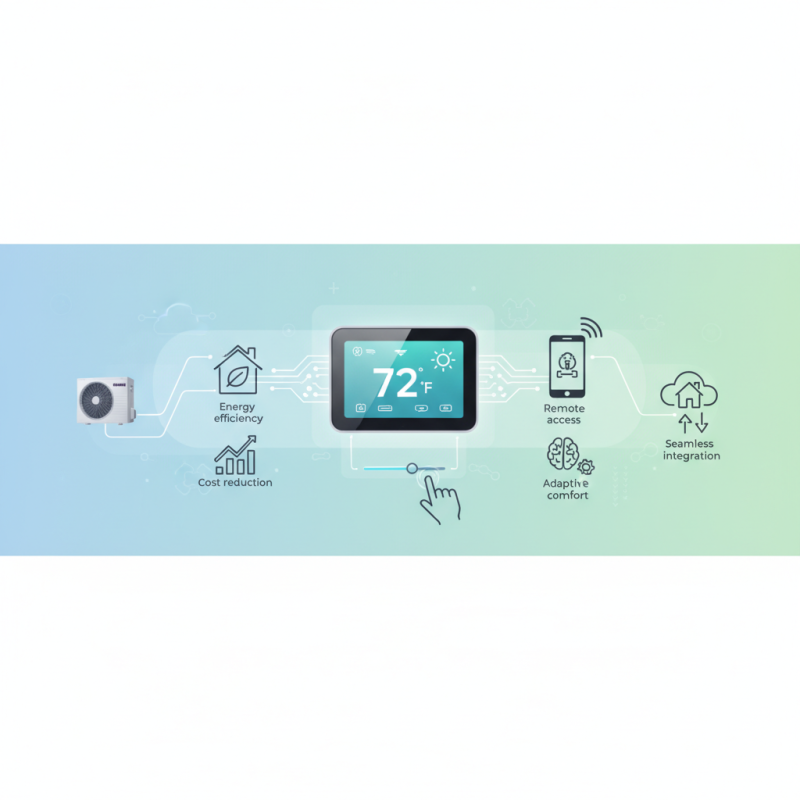
As homeowners increasingly seek smarter solutions to manage their indoor climates, understanding the essential features and functionalities of mini split smart thermostats becomes paramount. From adaptive learning capabilities to remote access through mobile applications, these thermostats offer a plethora of options designed to enhance both convenience and efficiency. This introduction aims to equip homeowners with the knowledge needed to make informed decisions when selecting the best mini split smart thermostat for their unique circumstances, ensuring comfort and sustainability go hand in hand.
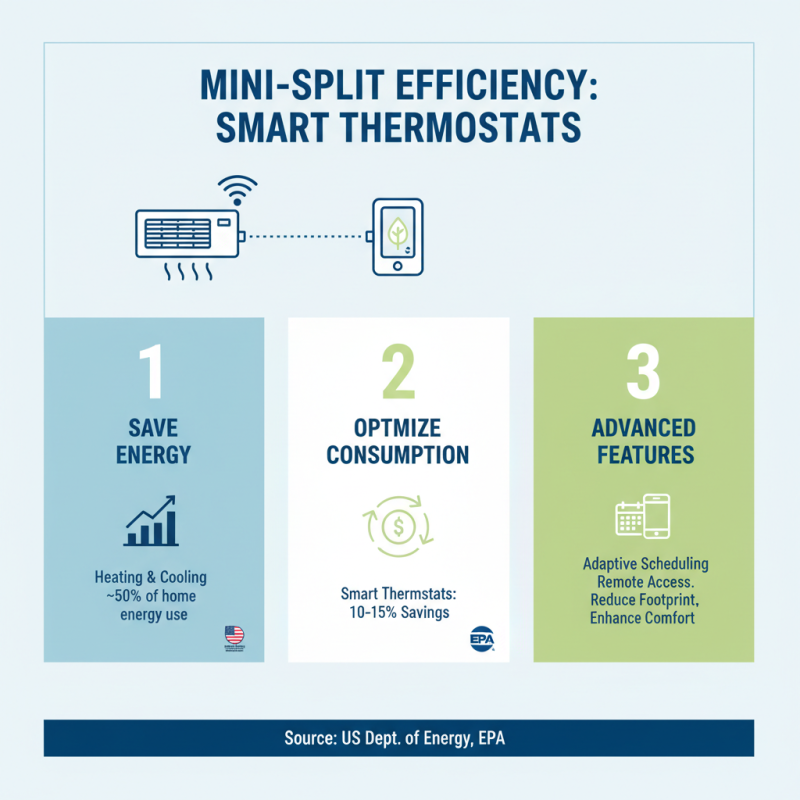
When considering the efficiency of mini split systems, the importance of energy efficiency cannot be overstated. According to the U.S. Department of Energy, heating and cooling account for nearly half of a home’s energy usage, making the selection of an energy-efficient thermostat vital. A smart thermostat for mini split systems can optimize energy consumption, resulting in an average savings of 10-15% on heating and cooling bills, as reported by the Environmental Protection Agency (EPA). These devices offer advanced features such as adaptive scheduling and remote access, enabling homeowners to reduce their energy footprint without compromising comfort.
When choosing a smart thermostat for your mini split system, consider these tips to enhance energy efficiency. First, look for a thermostat with features like geofencing, which detects when you are home or away and adjusts the temperature accordingly. This eliminates unnecessary heating or cooling while you are not in the home. Second, check for compatibility with multiple zones. Multi-zone systems allow for customizable climates in different rooms, ensuring that energy is not wasted in unoccupied spaces. Lastly, select a model that integrates with energy usage monitoring tools. These features can provide insights into your energy consumption patterns, allowing you to make informed decisions to further reduce energy waste.
As energy efficiency becomes more crucial in today's environmentally conscious landscape, adopting a mini split smart thermostat is a proactive choice for homeowners. Not only does it contribute to lower utility bills, but it also supports a sustainable lifestyle by minimizing energy usage in the home.
When selecting a mini split smart thermostat for your home, there are several key features you should prioritize. First and foremost, consider compatibility with your existing heating and cooling systems. Many thermostats work seamlessly with a variety of mini split systems, but it’s crucial to verify that the thermostat you choose can effectively manage the specific model you have. This ensures efficient temperature control and energy management, helping you maintain a comfortable environment year-round.
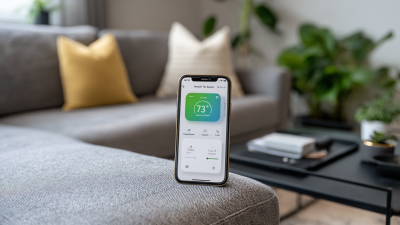
Another important aspect to look for is user interface and connectivity options. A straightforward, user-friendly interface allows for easier programming and management of your home's climate. Additionally, consider features like Wi-Fi connectivity, which enables remote access via smartphones or tablets. This means you can adjust settings from anywhere, ensuring your home is at the perfect temperature upon your arrival. Furthermore, integration with smart home ecosystems can add convenience, allowing you to control your thermostat using voice commands or as part of automated routines. This flexibility enhances your overall experience and ensures optimal energy savings.
When it comes to selecting a mini split smart thermostat, it's important to evaluate both the initial investment and the long-term savings. While the upfront cost of a high-quality smart thermostat can be significant—typically ranging from $100 to $300—these devices often lead to substantial savings on energy bills. According to the U.S. Department of Energy, smart thermostats can save users as much as 10-15% on heating and cooling costs annually. This means that, over time, the savings can quickly offset the initial investment, making it a financially sound choice for homeowners.
Tips for choosing the right thermostat include considering features like remote access, learning capabilities, and compatibility with smart home systems. Look for models that offer adaptive scheduling, which can adjust temperatures based on your habits, thereby improving efficiency. Furthermore, features such as energy usage reports can provide insight into how your energy consumption changes over time, allowing for informed adjustments that enhance savings.
Another aspect to consider is the potential for rebates or incentives when purchasing energy-efficient appliances. Many utility companies offer financial incentives for homeowners who invest in smart technology, which can further reduce the overall cost. By weighing the initial costs against the long-term benefits and potential savings, homeowners can make informed decisions that enhance comfort while also being mindful of their budgets.
When selecting a mini split smart thermostat, compatibility with your existing mini split system is crucial to ensure optimal performance and efficiency. Research indicates that nearly 70% of homeowners experience significant energy savings by integrating smart thermostats with compatible HVAC systems. This is largely because these thermostats can adapt to the system's specific requirements, allowing for fine-tuned climate control that enhances comfort while reducing utility costs.
Before finalizing your thermostat choice, it’s essential to assess the compatibility of the thermostat with your mini split system's control panel and communication protocols. A recent industry report highlighted that mismatched systems can lead to inefficient operations, with potential energy losses of up to 30%. This underscores the importance of checking manufacturer specifications and ensuring that any supplementary features, such as zoning capabilities or humidity control, align with your unit's design. By prioritizing compatibility, homeowners can avoid common pitfalls that may undermine investment in smart technology while maximizing their climate control experience.
| Feature | Description | Importance |
|---|---|---|
| Wi-Fi Connectivity | Ability to connect to a home Wi-Fi network for remote access and control. | High |
| Compatibility with Mini Split Systems | Ensure thermostat is designed to work with specific mini split models. | Critical |
| Smart Home Integration | Compatibility with platforms like Alexa, Google Assistant, or Apple HomeKit. | Medium |
| User Interface | Ease of use, touchscreen capabilities, and intuitive design. | High |
| Energy Efficiency Features | Integrated energy-saving settings and scheduling options. | High |
| Mobile App Support | Availability of a mobile application for monitoring and control. | Medium |
When selecting a mini split smart thermostat, one of the most crucial factors to consider is its user-friendly interface. A well-designed interface not only simplifies navigation and operation but also enhances the overall user experience. Look for thermostats that offer intuitive touchscreen displays, clear icons, and easy-to-read menus. The ability to customize settings quickly and efficiently is paramount, especially for households with varying temperature preferences throughout the day. This level of accessibility ensures that all family members can effortlessly adjust the climate to their liking.
Smart home integration is another key aspect to consider when choosing a mini split smart thermostat. The ability to sync your thermostat with existing smart home systems is essential for creating a cohesive and functional smart environment. Thermostats that communicate well with other smart devices—such as voice assistants, security systems, or smart lights—allow for seamless control and automation. With effective integration, homeowners can set routines that optimize energy use, enhance comfort, and streamline daily operations, all from a single app or voice command. Selecting a thermostat that easily merges with your smart home ecosystem ensures that you’re investing in a future-ready solution that adapts effortlessly to your lifestyle.