10 Tips for Choosing Split Heating and Cooling Systems for Your Home?
Choosing the right split heating and cooling systems for your home can be daunting. According to the U.S. Department of Energy, heating and cooling account for about 48% of residential energy usage. This underscores the importance of an efficient HVAC system. Split systems offer flexibility and energy efficiency, making them an attractive option for many homeowners.
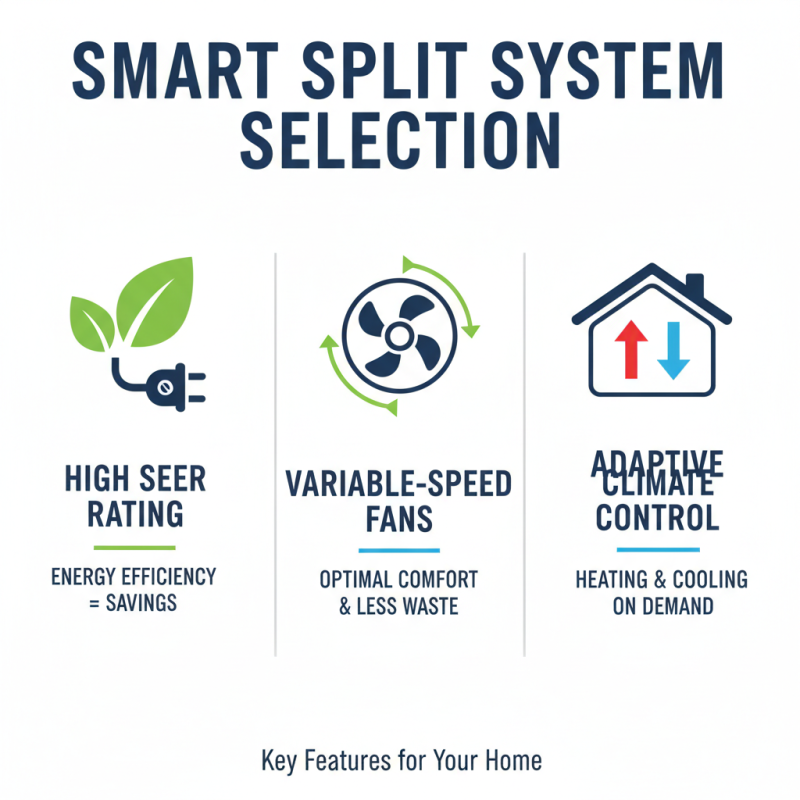
In recent years, manufacturers have made significant advancements in technology. For instance, variable speed compressors provide better energy usage. However, not all split heating and cooling systems are created equal. Homeowners often face challenges in selecting the right size and model for their needs. Research indicates that improper sizing can lead to energy waste and discomfort. This highlights the need for careful consideration.
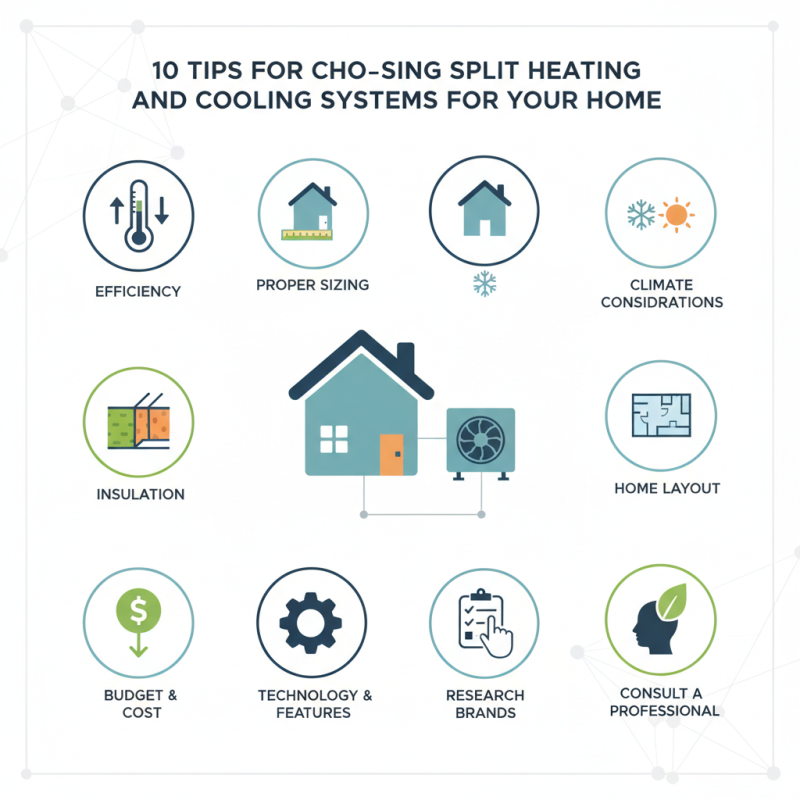
As you explore options, it’s crucial to think about your specific living environment. Factors like insulation, climate, and home layout affect performance. Split systems can vary widely in performance and price, leading to confusion. The right choice can enhance your home's comfort while reducing energy bills. Understanding these dynamics will empower you to make informed decisions.
Understanding the Basics of Split Heating and Cooling Systems
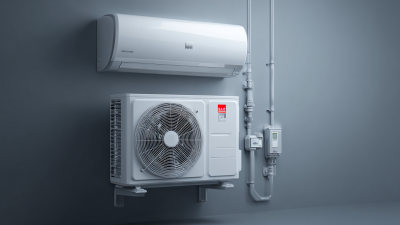
Split heating and cooling systems are popular for their efficiency and flexibility. They consist of two main components: an indoor unit and an outdoor condenser. According to the U.S. Department of Energy, these systems can save homeowners up to 30% on energy costs when compared to traditional HVAC systems. This significant saving highlights their growing popularity.
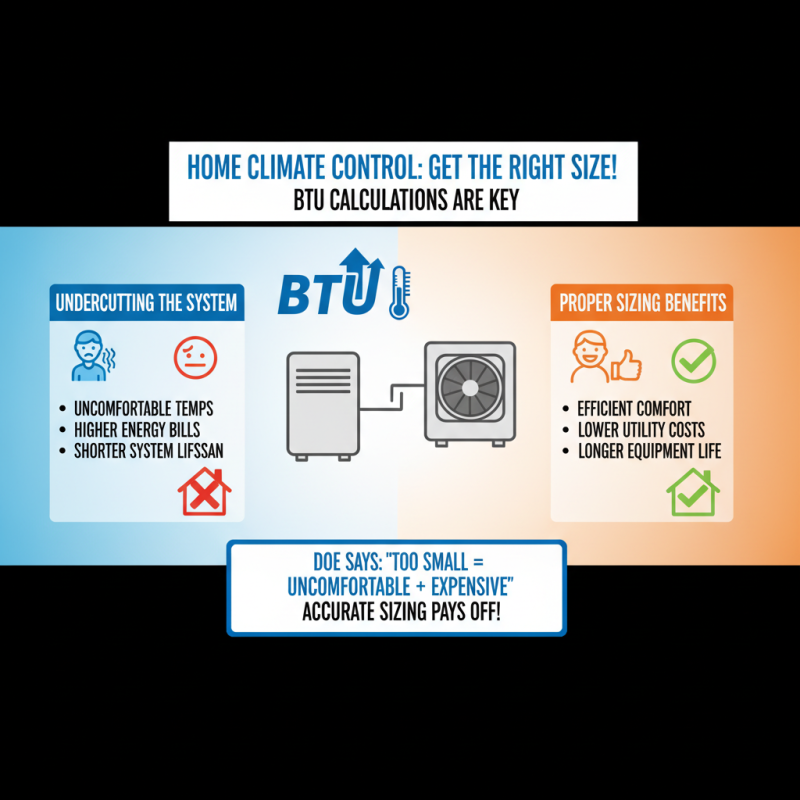
When choosing a split system, consider the size of your home. An undersized unit may struggle to maintain comfort, causing constant strain and inefficiency. Over time, this can lead to increased energy bills. Energy Star guidelines suggest that proper sizing is crucial. An air conditioning unit should provide 20 BTUs of cooling power per square foot.
Installation also plays a pivotal role in system performance. A poorly installed unit can lead to air leaks and reduced efficiency. This is not just about choosing the right equipment; it’s about skilled craftsmanship. Many HVAC experts emphasize regular maintenance. Neglecting this can diminish performance drastically, leading to costly repairs. Choosing a split system involves many factors, and making an informed decision can result in substantial benefits.
10 Tips for Choosing Split Heating and Cooling Systems for Your Home
| Tip | Description | Benefits |
|---|---|---|
| 1. Assess Your Space | Evaluate the size and layout of your home to determine system requirements. | Optimized cooling and heating efficiency. |
| 2. Check Energy Ratings | Look for higher SEER and HSPF ratings for energy-efficient models. | Lower energy bills and reduced environmental impact. |
| 3. Consider Noise Levels | Choose systems with lower decibel ratings for quieter operation. | Enhanced comfort and less disruption. |
| 4. Evaluate Installation Costs | Get multiple quotes and consider total installation costs, not just system price. | Budget-friendly decisions with lower long-term expenses. |
| 5. Look for Smart Features | Select systems that offer smart thermostats and connectivity options. | Convenience and enhanced control over your home environment. |
| 6. Understand Maintenance Needs | Research the maintenance requirements and service options available. | Longer lifespan and optimal performance of the system. |
| 7. Compare Warranty Options | Look for comprehensive warranties that offer good coverage. | Peace of mind and potential savings on repairs. |
| 8. Seek Professional Advice | Consult with HVAC professionals for tailored recommendations. | Informed decisions based on expert evaluation. |
| 9. Consider Zone Control Options | Look for systems that allow for temperature control in different areas of your home. | Enhanced comfort and energy efficiency. |
| 10. Plan for Future Needs | Consider potential home changes or expansions and choose a system that can adapt. | Long-term satisfaction and efficiency. |
Related Posts
-
Understanding the Benefits of Split Heating and Cooling Systems for Home Comfort
-

Top Benefits of Ductless Heat and Air Systems in 2025
-
Exploring the Benefits of Split Heating and Cooling Systems for Energy Efficiency
-
Top 5 Benefits of Split Heating and Cooling Systems for Your Home
-

The Ultimate Guide to Ductless Heating Solutions for 2025
-

Why Choose a Ductless Heat Pump for Your Home Heating Needs?