Top 10 Air Conditioning Units for Every Home Need?
Air conditioning units are essential for comfortable living, especially during hot months. According to the U.S. Department of Energy, nearly 87% of U.S. homes are equipped with cooling systems. This statistic highlights the growing reliance on air conditioning units for climate control. Choosing the right system can greatly impact energy efficiency and comfort levels.
However, not all air conditioning units meet every homeowner's needs. With various types on the market, from central systems to window units, understanding each option is crucial. A recent study indicates that energy-efficient models can reduce energy costs by 20-50%. This significant saving underscores the importance of selecting the best unit for your home.
It is also vital to consider installation and maintenance. Poorly installed units can lead to performance issues. Likewise, neglected maintenance can decrease efficiency. A reliable air conditioning unit will not only keep your home cool but also provide lasting value when cared for properly. In this guide, we explore the top 10 air conditioning units, ensuring that every homeowner finds the ideal fit for their unique requirements.
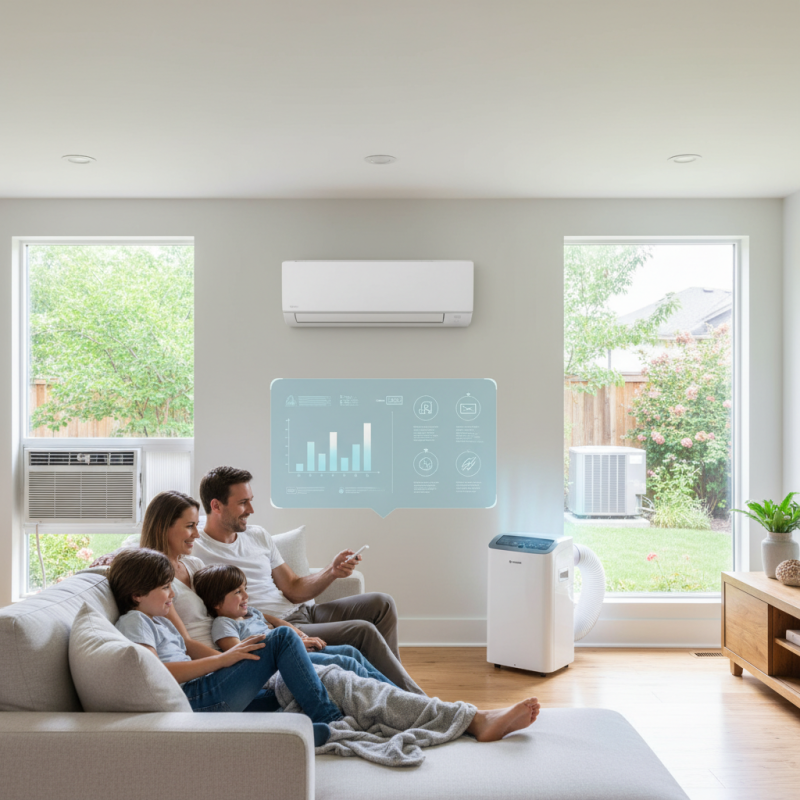
Choosing the Right Air Conditioning Unit for Your Home
Choosing the right air conditioning unit for your home involves considering various factors. Start by assessing your home's size and layout. A larger space typically requires a more powerful unit. Additionally, think about insulation. Poorly insulated homes may need units that can maintain temperature more efficiently.
Tips: Measure your rooms accurately. Use a tape measure to get dimensions. This helps in choosing the correct BTU (British Thermal Unit) rating.
Another key element is energy efficiency. Look for units with high SEER (Seasonal Energy Efficiency Ratio) ratings. These units save money on energy bills over time. However, higher efficiency often comes with a higher upfront cost. Weigh these factors based on your budget and long-term savings.
Tips: Review energy bills from the past year. Get a sense of your typical usage before purchasing. Understanding your consumption helps in making an informed decision.
Lastly, consider the noise level of units. Some models can be quite loud, disrupting your peace. Read reviews and check decibel ratings to find a quieter alternative. Remember, comfort goes beyond cooling; it also includes a tranquil environment.
Top 10 Air Conditioning Units for Every Home Need
This bar chart displays the cooling capacity (in BTU/h) of the top 10 air conditioning units suitable for various home needs. Choose wisely based on your space requirements!
Understanding Different Types of Air Conditioning Systems
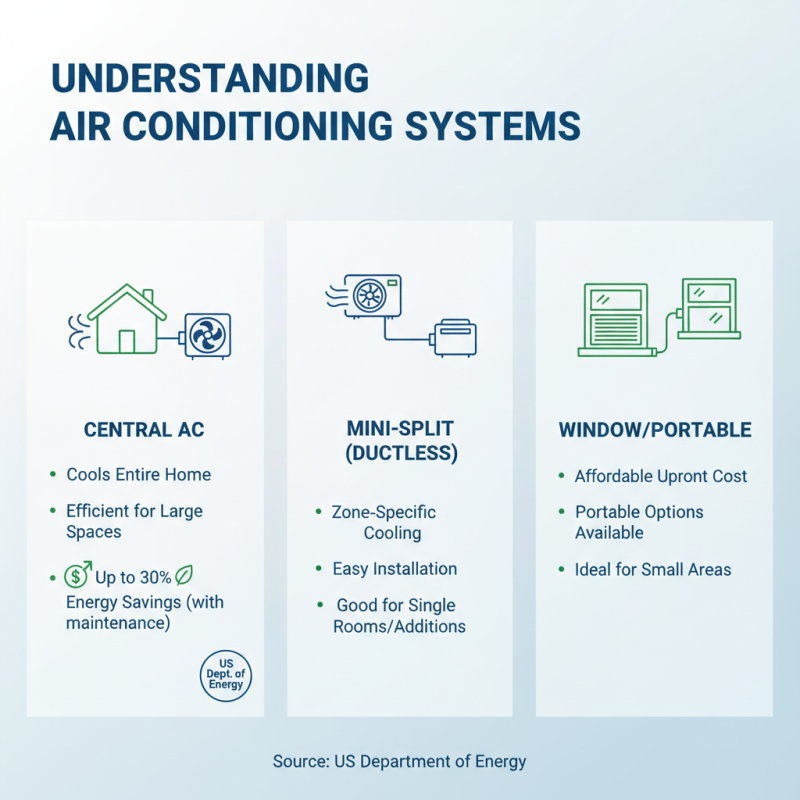
When it comes to air conditioning systems, understanding the different types is crucial for making the right choice for your home. Central air conditioning systems are popular. They are efficient and can cool large spaces effectively. According to the U.S. Department of Energy, these systems can lead to energy savings of up to 30% when properly maintained.
Ductless mini-split systems are another option. They offer flexibility and are ideal for homes without ductwork. This type of system allows for zoned cooling, which can enhance comfort while saving energy. A report from the American Society of Heating, Refrigerating, and Air-Conditioning Engineers indicates that mini-split systems can have efficiency ratings of 25 SEER or higher, making them highly efficient.
Window units are often seen as a more affordable solution. While they can effectively cool a single room, their efficiency can vary greatly. Some models may consume more energy than necessary, leading to higher utility bills. A study by Energy Star reveals that poorly rated window units can waste up to 40% of energy. Evaluating the specifics of each unit is essential for avoiding such pitfalls.
Key Features to Consider in Air Conditioning Units
When choosing an air conditioning unit, several key features are vital. Energy efficiency is crucial in today's world. Look for units with high SEER ratings to save on energy bills. A unit that uses less energy is not only economical but also environmentally friendly. Additionally, check the cooling capacity, measured in BTUs. Ensure it matches your space size for optimal performance.
Another significant factor is noise level. Some units operate very quietly, while others can be quite loud. If noise is a concern, research decibel ratings. Finally, consider the installation and maintenance aspects. Some models require professional installation, which can add to your costs. Frequent maintenance is necessary to keep the unit running efficiently. An air conditioning unit might seem perfect at first glance, but hidden costs can arise if not thoroughly evaluated. It's important to weigh all these features thoughtfully before making a choice.
Top 10 Recommended Air Conditioners for Various Home Needs
When selecting the right air conditioning unit for your home, it’s essential to consider various factors. Each household has unique needs. Some homes require a powerful unit for large spaces, while others need compact models for small apartments. Understanding your living space will help narrow down options.
For family homes, central air systems offer comfort and efficiency. They can cool multiple rooms simultaneously. For those in apartments, window units often provide a budget-friendly solution. These units are easy to install and remove. However, they may not be as effective for larger spaces.
Ductless mini-split systems can be a great middle ground. They allow for zoning, letting you cool specific areas as needed.
Keep in mind, energy efficiency is crucial too. Look for units with a high SEER rating. While this may mean a higher upfront cost, energy savings add up over time. However, remember that installation quality matters as well. A poorly installed unit can lead to inefficiencies. It’s vital to choose a qualified technician to avoid future issues. Balancing initial investment with long-term savings is essential.
Maintenance Tips for Optimal Performance of Air Conditioning Units
Maintaining your air conditioning unit is essential for optimal performance. Regular upkeep can extend the life of your system. Here are a few practical tips to enhance efficiency.
Check and replace filters every month. Dirty filters restrict airflow and make your unit work harder. This adds unnecessary stress and can lead to breakdowns. Consider setting reminders on your phone. Even small tasks matter.
Clean the condenser coils at least once a year. Dust and debris can accumulate, reducing energy efficiency. Using a simple brush to remove buildup can make a difference. Also, don’t forget to inspect the drainage system. A clogged drain can lead to water damage and mold issues.
Listening for unusual noises can reveal hidden problems. If you hear strange sounds, it might be time to call a technician. Recognizing these early signs can save you from more extensive repairs later. Regular checks and a bit of attention can go a long way in keeping your air conditioning unit running smoothly.
Top 10 Air Conditioning Units for Every Home Need
| Model |
Cooling Capacity (BTU) |
Energy Efficiency Ratio (EER) |
Noise Level (dB) |
Price ($) |
| Model A |
12000 |
12 |
55 |
300 |
| Model B |
15000 |
11 |
52 |
350 |
| Model C |
18000 |
13 |
60 |
400 |
| Model D |
24000 |
14 |
65 |
650 |
| Model E |
9000 |
15 |
50 |
250 |
| Model F |
10000 |
10 |
56 |
230 |
| Model G |
16000 |
14 |
54 |
370 |
| Model H |
13000 |
13 |
57 |
320 |
| Model I |
17000 |
12 |
66 |
410 |
| Model J |
12500 |
11 |
58 |
290 |