What Are the Top China Ductless HVAC System Manufacturers?
Choosing a ductless hvac system in China involves more than comparing factory size or attractive product photographs. Buyers must examine compressor performance, seasonal efficiency, sound levels, refrigerant options, and after-sales support. A quiet indoor unit may suit a bedroom, while a coastal installation needs stronger corrosion protection. These practical details often decide long-term value.
HVAC expert Ross Trethewey emphasizes, “In practice, sizing and installation matter as much as the equipment itself.” That principle guides this review of leading Chinese manufacturers, including Gree, Midea, Haier, Hisense, AUX, Chigo, and TCL. Their product ranges cover residential apartments, retail spaces, offices, and light commercial projects. We will compare inverter technology, heating performance, smart controls, installation flexibility, certifications, warranty terms, and distributor networks.
The strongest brand is not identical for every project. A compact apartment may prioritize low noise and simple Wi-Fi control. A large showroom may need multiple indoor units, stable heating, and centralized management. Published specifications also deserve careful checking. Marketing figures can change by model, climate, and test standard. That limitation matters.
This guide uses manufacturer documentation, industry experience, and practical selection criteria rather than reputation alone. It also considers whether local technicians can obtain genuine parts quickly. A cheaper system is not always economical. Poor commissioning can create uneven airflow, frost problems, or higher electricity bills. The following outline offers a balanced starting point for identifying the top China ductless HVAC system manufacturers and matching each brand with realistic installation needs.
Definition and Key Features of Ductless HVAC Systems
What Are the Top China Ductless HVAC System Manufacturers?
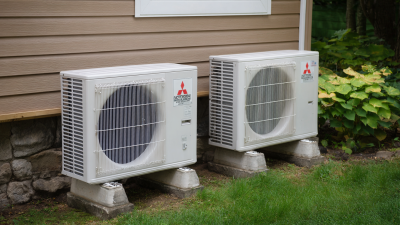
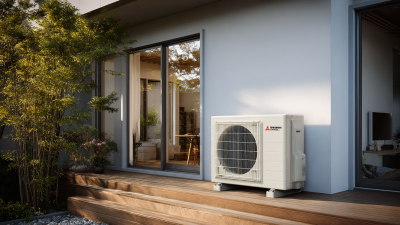
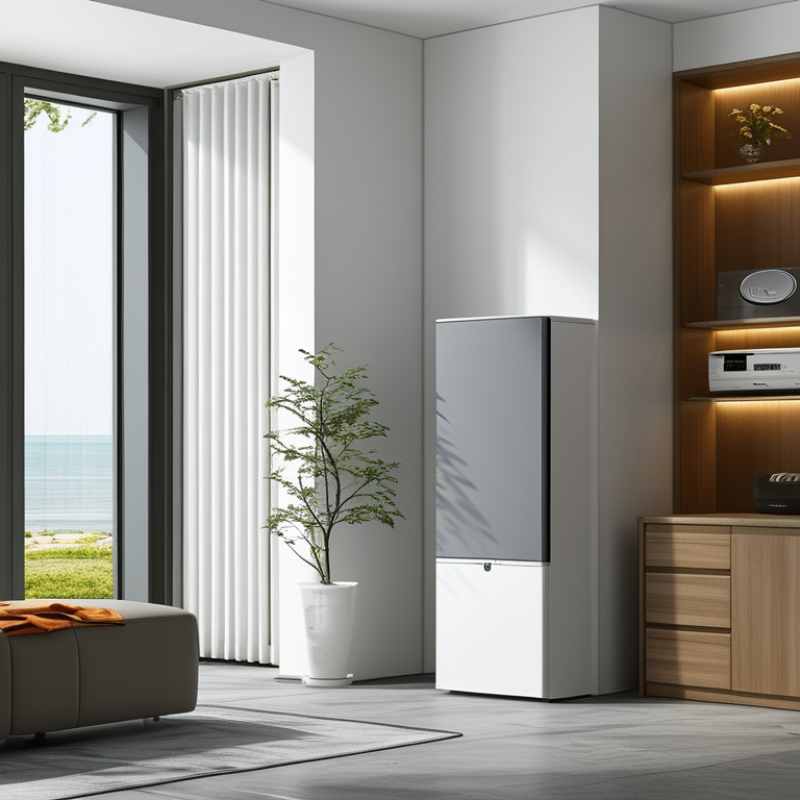
A ductless HVAC system heats or cools rooms without a central air duct network. It usually combines an outdoor compressor with one or more indoor air handlers. Refrigerant lines pass through a small wall opening, reducing construction work. This layout suits older apartments, extensions, offices, and rooms with limited ceiling space.
The key feature is zoning. Each indoor unit can adjust its temperature independently. A bedroom may stay cooler than an unused hallway. Inverter compressors also vary their speed instead of switching fully on and off. This can reduce temperature swings, operating noise, and unnecessary energy use. Look for washable filters, sleep modes, corrosion-resistant coils, and clear error displays. Small details matter. A poorly placed controller can still make a good system frustrating.
When comparing China-based manufacturers, inspect more than catalogue capacity. Reliable suppliers should provide test data, installation guidance, spare-parts support, and traceable quality checks. Ask how units perform at low outdoor temperatures and in humid coastal conditions. Check sound ratings under realistic settings, not only laboratory claims. Field experience shows that drainage design is often overlooked; a slightly wrong pipe slope may cause indoor dripping. I have also seen impressive efficiency figures weakened by poor installation. The equipment deserves attention, but commissioning deserves equal care. One overlooked connection can affect comfort for years.
China’s Leading Ductless HVAC Manufacturers by Product Range
China’s leading ductless HVAC manufacturers are often distinguished by product range, not catalog size alone. Many produce wall-mounted split units for bedrooms, shops, and compact offices. Their broader lines may include cassette, concealed duct, floor-ceiling, and portable systems. This range helps contractors match airflow patterns to room geometry. A quiet bedroom unit needs different engineering from a high-ceiling retail cassette. Small details matter.
For residential projects, manufacturers commonly offer inverter heat pumps, multi-split outdoor units, and narrow indoor heads. Commercial ranges may add four-way cassettes, slim ducted units, and ceiling-suspended models. Some factories also develop heat-recovery configurations for buildings with mixed cooling and heating demand. During supplier assessments, compare published capacity tables with test samples, rather than relying only on brochures. Check pipe-length limits, low-ambient operation, controls, filters, and spare-part availability. These details reveal practical maturity.
Product breadth can reduce sourcing complexity, but it can also hide uneven quality between series. A manufacturer may excel at wall-mounted units while offering weaker controls for larger systems. Ask for performance data at partial load, wiring diagrams, noise measurements, and inspection records. Independent verification is valuable. Still, documentation may be incomplete or translated poorly. That is a warning, not an automatic rejection. The strongest suppliers explain limitations clearly and adapt product combinations without overstating capacity.
Manufacturing Quality, Technology, and Energy Efficiency Standards
What Are the Top China Ductless HVAC System Manufacturers?
Manufacturing quality begins with controlled materials, not attractive product images. Strong factories verify copper tube thickness, compressor batches, insulation density, and electronic component traceability. Each indoor and outdoor unit should pass pressure, vacuum, electrical safety, and refrigerant leakage tests. ISO 9001 certification supports process control, but certification alone proves little. Factory records matter more.
Technology should be tested under realistic conditions. Reliable producers use calorimeter rooms to measure cooling capacity, noise, defrost behavior, and seasonal efficiency. Standards such as ISO 16358, EN 14511, and IEC 60335-2-40 help create comparable results. The IEA’s Future of Cooling report estimated global space-cooling electricity demand could reach 6,200 TWh by 2050, compared with about 2,020 TWh in 2016. Efficiency is not optional anymore.
Look for SEER and SCOP data, not only maximum capacity. Variable-speed compressors, accurate expansion control, smart sensors, and low-standby electronics can reduce wasted energy. Refrigerant selection also requires lifecycle thinking and compliance with local regulations. A factory may report excellent laboratory performance, yet field installation can reduce efficiency through poor evacuation or undersized piping. This is where many evaluations become imperfect. Independent testing, service records, and sample-based audits reveal more than brochures. Small details matter.
How to Compare China’s Ductless HVAC Suppliers
When comparing China’s ductless HVAC suppliers, do not judge “top” status by catalog size alone. Start with engineering fit. Check cooling capacity, heating performance, voltage, refrigerant type, and climate suitability. A supplier should provide clear technical sheets, airflow data, noise ratings, and installation drawings. Ask whether the factory has supplied similar projects in homes, offices, or hotels. Real project experience matters.
Request recent test reports, quality certificates, and production records. Confirm that the reports match the exact model, not a similar unit. During a factory audit, inspect copper tubing, insulation, compressors, control boards, and final testing stations. Look for serial-number traceability. It reveals whether quality problems can be investigated later. Factory discipline is visible in small details.
Small details matter.
Compare warranty terms carefully. Check response times, spare-parts availability, remote diagnostics, and technician training. Ask how many replacement components are stored near your market. Also compare lead times during peak season, packaging strength, payment conditions, and customization limits. A low quotation may hide expensive installation changes or delayed parts. That mistake is common.
Do not rely only on polished samples. A sample may perform well while mass production varies. Require pre-shipment inspections and independent performance testing for larger orders. Review communication quality, too. Slow answers often become slower service after payment. No supplier will look perfect on paper. Your comparison should record both strengths and unresolved concerns. That record supports a more reliable purchasing decision.
China Ductless HVAC Supplier Comparison: Common Cooling Capacity Classes
The chart shows widely used nominal cooling-capacity classes for ductless mini-split systems. When comparing China-based suppliers, verify whether the offered model matches the required capacity, rated conditions, efficiency certification, voltage, and operating range. Capacity values use the standard conversion of 1 kW ≈ 3,412 BTU/h.
Export Capability, Certifications, and After-Sales Support
When evaluating China’s ductless HVAC manufacturers, export capability deserves more than a shipping list.
Experienced suppliers should provide clear records of overseas installations, container loading methods, and destination-market support. Ask for proof. Useful evidence includes export references, packaging photos, lead-time data, and communication procedures for urgent orders. A supplier that explains customs documents clearly usually understands international projects better. However, export volume alone does not guarantee dependable performance.
Certifications should match the country where the system will operate.
Request current certificates, test reports, energy data, and safety documentation before signing a contract. Check whether the documents apply to the exact model, not just a similar product. This detail is often missed. Also review refrigerant information, electrical ratings, noise levels, and installation requirements. Independent laboratory reports can strengthen confidence, although paperwork may still contain gaps or outdated model numbers. Keep records.
After-sales support often separates a convenient purchase from a costly problem.
Ask how quickly technical teams respond, which spare parts are stocked, and how warranty claims are handled across borders. A capable supplier may offer remote diagnosis, installation training, service manuals, and replacement-part planning. Response time should be written into the agreement. Delays happen. It is also wise to test support before ordering by sending practical questions about fault codes or winter operation. Poorly answered questions can reveal future difficulties earlier than a polished sales presentation.