What is a Touch Screen Monitor and How Does It Work?
A Touch Screen Monitor represents a significant advancement in user interface technology. With the ability to interact directly with the screen, users experience a more intuitive way to navigate and control their devices. This innovation has transformed various industries, from education to healthcare, offering both convenience and efficiency.
Understanding how a Touch Screen Monitor works involves delving into its components and technology. These monitors utilize different sensing methods, such as resistive or capacitive technology. Each type has unique features, providing options for varying user needs. Touch Screen Monitors enhance engagement and streamline tasks, making them a popular choice.
The growing prevalence of Touch Screen Monitors also raises questions. Users may find themselves relying too heavily on touch interfaces, which can lead to usability issues. Additionally, while these monitors offer a hands-on experience, they may not always be accurate. As technology continues to evolve, understanding these nuances remains essential for users and developers alike.
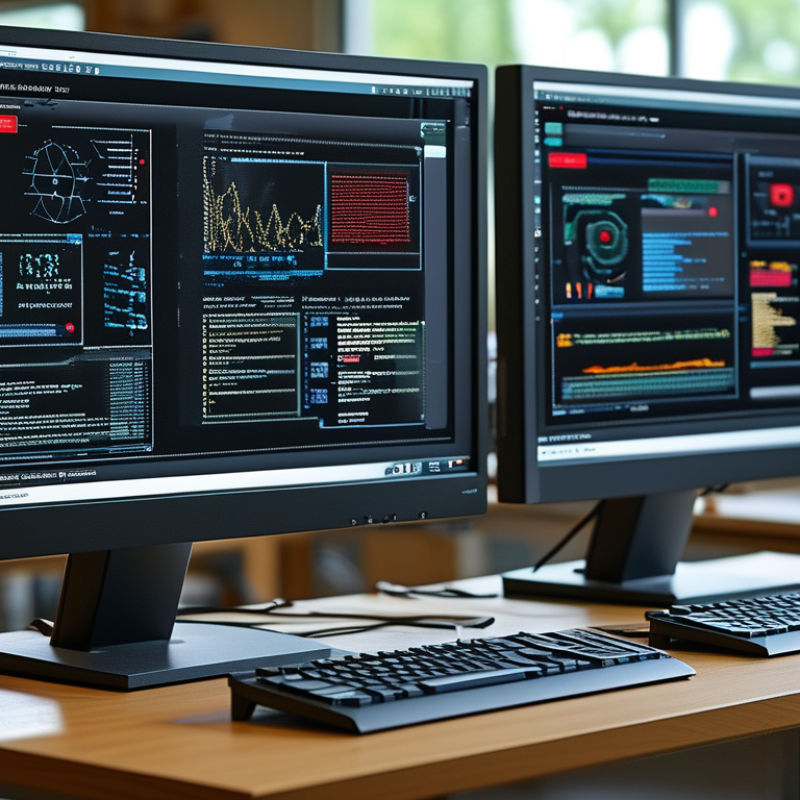
What is a Touch Screen Monitor?
A touch screen monitor is an interface that allows users to interact directly with what is displayed on the screen. Unlike traditional monitors that rely on a keyboard and mouse, touch screens recognize finger movements, enabling direct manipulation of applications. Industry reports indicate that the global touch screen market is expected to reach over $60 billion by 2025. This growth reflects the increasing demand for interactive devices across various sectors, including retail, education, and healthcare.
Touch screen technology operates through different methods, most notably resistive and capacitive systems. Resistive screens respond to pressure, while capacitive screens detect touch through electrical charges. Each technology has its strengths and weaknesses. For example, capacitive screens are widely preferred for their responsiveness and multi-touch capabilities. However, these can be less accurate in wet conditions. In contrast, resistive screens excel in harsh environments but offer a reduced touch sensitivity. Thus, selecting the appropriate technology is crucial for specific applications.
Despite their popularity, touch screens are not without challenges. Maintenance can be an issue, as screens are prone to scratches and smudges. Regular cleaning and protective layers can help address these concerns but may not be foolproof. As technology evolves, the industry must find ways to enhance durability without compromising sensitivity and user experience.
Types of Touch Screen Technologies Explained
Touch screen monitors have revolutionized user interfaces across numerous industries. Understanding the various types of touch screen technologies is crucial. The two most prevalent types are resistive and capacitive touch screens. Resistive screens respond to pressure. They are cost-effective and often found in retail environments. However, they can be less sensitive and more prone to wear.
Capacitive touch screens use the conductive properties of the human body. They offer a more responsive user experience and are widely employed in smartphones and tablets. A recent report from the Global Touch Screen Market indicates that capacitive technology will dominate the market, with an expected growth rate of 7.8% by 2025. This growth is driven by increasing demand for interactive displays in education and healthcare.
Tips: Choose the right technology based on your needs. If durability is your priority, consider resistive screens. For a smoother touch experience, capacitive may be the better choice. Keep in mind that costs can vary significantly. Be aware that some touch screens can become less accurate over time, especially with frequent use. Careful evaluation is essential when selecting a touch screen monitor, as your choice can impact user satisfaction dramatically.
How Touch Screen Monitors Detect Input
Touch screen monitors have become essential in many devices today. They operate by detecting input through various technologies. Understanding how these monitors work can enhance user experience and application development.
Most touch screens detect input using resistive or capacitive technology. Resistive screens detect pressure applied to the surface. When you touch the screen, two conductive layers come into contact, registering the touch point. This method is reliable but less sensitive than other technologies. It may struggle with multi-touch scenarios. Capacitive screens, on the other hand, sense changes in electromagnetic fields. A finger disrupts the field, pinpointing the location of the touch. This allows for more precise inputs and supports multi-touch gestures, which are popular in modern apps.
While touch technology has advanced, challenges remain. Some users find touch sensitivity inconsistent. Environmental factors, like moisture or debris, can hinder performance. Developers must consider these variations when designing interactive applications. Touch screens continue to evolve, yet understanding their detection methods is crucial for optimizing user interactions in both professional and personal settings.
What is a Touch Screen Monitor and How Does It Work? - How Touch Screen Monitors Detect Input
| Input Type | Detection Method | Common Applications | Advantages | Disadvantages |
| Finger Touch | Capacitive Sensing | Smartphones, Tablets | Highly responsive, Multi-touch support | Requires bare skin, Can be affected by water |
| Stylus | Active Digitizer | Graphic Tablets, Drawings | Precision input, Palm rejection | Requires specific stylus, Higher cost |
| Gloves | Infrared Sensing | Kiosks, Outdoor Displays | Works with gloves, Durable | Less accurate than other methods |
| Gestures | Optical Sensors | Gaming, Interactive Displays | No need to touch surface, Intuitive | Limited recognition, Sensitive to lighting |
Applications of Touch Screen Monitors in Various Industries
Touch screen monitors have transformed numerous industries by enabling interactive engagement. In healthcare, for instance, hospitals utilize touch screens for patient check-ins and electronic health records. A recent report indicates that over 60% of healthcare facilities have adopted touch screen technology to streamline processes. This reduces wait times and improves patient satisfaction.
In retail, touch screens enhance the shopping experience. They allow customers to browse products, check prices, and place orders directly. Data from a market research study reveals that 70% of consumers prefer digital kiosks in stores. However, challenges, such as software bugs and touchscreen sensitivity issues, can frustrate users. Companies must consider user feedback to refine these systems.
Education is another sector rapidly adopting touch screens. Interactive boards promote collaborative learning among students. Research shows that schools using this technology witness a 20% increase in student engagement. Yet, educators report a need for better training on effective use. Some teachers feel overwhelmed by the shift. A well-rounded approach is essential for maximizing the benefits of touch screen monitors across industries.
Applications of Touch Screen Monitors in Various Industries
Benefits and Limitations of Using Touch Screen Monitors
Touch screen monitors have gained popularity in various settings, from homes to workplaces. They offer unique benefits and challenges. One key advantage is their intuitive interface. Users can interact directly with the screen, making navigation easier. This can enhance productivity, especially in environments where quick access to information is essential.
However, touch screen monitors are not without limitations. They often require more frequent cleaning due to fingerprints and smudges. Over time, the sensitivity of the screen may diminish. Some users may also find touchscreen inputs less precise than traditional mouse or keyboard methods, especially for detailed tasks. This can lead to frustration in specific applications.
Tip: Regular maintenance can prolong the life of your touch screen monitor. Use a microfiber cloth for cleaning. Avoid using harsh chemicals. Always consider your workflow. For complex tasks, a combination of touch and traditional input might work best. Embrace both methods for a balanced approach.