What Is a Brass Elbow Fitting?
A Brass Elbow is a compact pipe fitting that changes a line’s direction, commonly by 45 or 90 degrees. You may find one beneath a sink, behind a water heater, or inside a service cabinet. Its shape looks simple. Its job is not. A well-chosen elbow must match the pipe size, connection type, pressure needs, and operating environment.
Material matters. Brass is a copper-zinc alloy, and its properties depend on composition and manufacturing. The U.S. Geological Survey’s Mineral Commodity Summaries report tracks copper supply and market conditions, offering useful context for copper-alloy components. It does not, however, provide a standalone market estimate for brass elbows. For technical selection, ASME B16.15 specifies requirements for cast copper-alloy threaded fittings. Always check the fitting’s markings and product documentation; appearance alone cannot confirm its rating.
A useful industry quotation should come from a verifiable source. No named expert quotation was supplied, and I cannot responsibly invent one or attribute unverified words to a real person. That limitation matters. In practice, the right Brass Elbow is the one that fits the system’s material, thread, dimensions, and service conditions—not simply the one that looks sturdy on a shelf. This guide explains how elbows work, where they are used, and what to check before installation. Small fitting. Real consequences.
Definition and Purpose of a Brass Elbow Fitting
What Is a Brass Elbow Fitting?
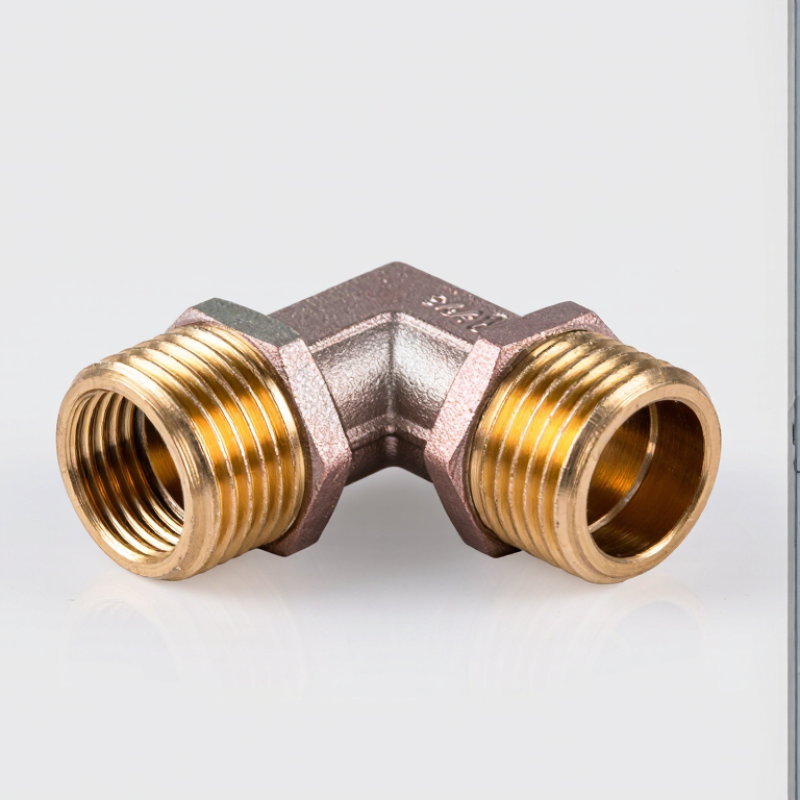
A brass elbow fitting is a short connector that changes a pipe’s direction, usually by 45 or 90 degrees. Its purpose is practical: it routes water, air, or compatible fluids around corners without forcing the pipe into a bend. One end may connect to a threaded pipe, while other designs use compression or solder connections. Inside, the passage turns with the fitting.
The shape matters. A tight turn can increase flow resistance, so ASHRAE’s Handbook—Fundamentals accounts for elbows using fitting-loss coefficients that vary with geometry and flow conditions.
In a small plumbing run, a 90-degree elbow can keep pipework close to a wall or clear a cabinet frame. The fitting must match the pipe size, connection type, fluid, temperature, and operating pressure.
ASME B16.15 covers cast copper-alloy threaded fittings in pressure Classes 125 and 250; these class figures are not universal working-pressure ratings. Check the applicable rating for the fitting’s material and service conditions.
That detail is easy to miss. A compact elbow may simplify installation, but adding several turns can increase pressure loss. I’d verify the route and connection dimensions before choosing one, especially where access for tightening is limited.
How an Elbow Fitting Redirects a Pipe or Tube
What Is a Brass Elbow Fitting?
How an Elbow Fitting Redirects a Pipe or Tube
A brass elbow fitting changes the direction of a pipe or tube without requiring a sharp bend in the line. Common angles include 45 and 90 degrees. Inside the fitting, the passage curves between its two openings, guiding water, air, or another compatible fluid around a corner. That matters. A clean turn can help route a line past a cabinet wall, around a pump, or into a fixture.
The fitting’s ends connect to the pipe or tube using a suitable thread, compression connection, or other matching joint. The connection type must suit the line material and system requirements. Before tightening anything, check that the openings align and that the fitting’s pressure and temperature ratings are appropriate. A dry fit often reveals a small alignment problem before it becomes a leak. Not quite perfect? It is worth checking again; forcing a misaligned joint can damage threads or stress the connection. Elbows also add a change in flow direction, so their placement and size can affect how smoothly a system operates. A brass elbow is a compact solution, but it still needs a compatible connection and careful installation.
What Is a Brass Elbow Fitting?
A brass elbow fitting connects pipe or tube sections and redirects their path. The chart compares common connection angles by the amount they change the flow direction.
Angles show the change in direction, not flow rate. A 90° elbow turns a pipe or tube through a right angle.
Key Parts, Materials, and Connection Types
A brass elbow fitting redirects a pipe or tube, commonly through a 90-degree or 45-degree turn. Its compact shape can help route plumbing around a cabinet corner or appliance. The main part is the elbow body, with an inlet and outlet sized for the connected line. Some models have different end sizes, which lets them join pipes of unequal diameters. Small part. Big effect.
Brass is an alloy made mainly from copper and zinc. It is durable and easy to machine, but water chemistry and operating conditions still matter. Some water environments can cause dezincification, so check that the fitting is suitable for the intended service. Lead-free options are available for applications requiring them. Connection types include threaded ends, compression fittings, and flare connections; each needs a matching pipe or tube and the correct installation method. Threads may follow different standards, so matching diameter alone is not enough. A technician typically checks thread type, size, pressure rating, and temperature limits before installation. Still, the label alone is not enough: verify the fitting’s specifications and inspect for leaks after assembly.
Common Uses in Plumbing and Other Systems
What Is a Brass Elbow Fitting?
Common Uses in Plumbing and Other Systems
A brass elbow fitting changes a pipe’s direction, commonly by 90 or 45 degrees. In homes, it connects supply lines beneath sinks, behind toilets, and near water heaters, where straight pipe runs would be awkward. Installers also use elbows in hydronic heating and some HVAC systems to route water through tight spaces. Brass is valued for machinability and corrosion resistance, but suitability depends on the fluid, temperature, pressure, and connection type. Not every brass fitting is approved for every application. Check the fitting’s specifications and local plumbing requirements.
The need for dependable pipe connections is not small. The American Society of Civil Engineers’ 2021 Infrastructure Report Card estimates that the United States has about 2.2 million miles of drinking-water distribution pipes. That figure describes the wider network, not elbow fittings specifically, but it shows why reliable components matter. Elbows can help reduce forced bends in pipe, though poor alignment or overtightening can still cause leaks. A small fitting deserves careful installation.
Tips: Match the elbow’s size and thread standard to the pipe. Use an appropriate sealant, and avoid forcing misaligned connections. Check for leaks after pressurizing the line. One detail is easy to miss: brass and adjacent metals may behave differently in wet systems, so compatibility is worth checking before installation.
How to Choose and Install a Brass Elbow Fitting
What Is a Brass Elbow Fitting?
How to Choose and Install a Brass Elbow Fitting
A brass elbow redirects pipework, usually through a 45- or 90-degree turn. Choose the angle, nominal size, connection type, and pressure rating to match the pipe and service conditions. Check whether the threads are tapered NPT or parallel BSP; they are not interchangeable. For drinking-water use, verify the fitting’s lead-content certification.
The WHO’s Guidelines for Drinking-water Quality (2022) set a provisional lead guideline value of 10 μg/L; this is a water-quality guideline, not a fitting specification.
Before installation, shut off the supply and confirm the pipe ends are clean and undamaged. Deburr cut pipe, then dry-fit the parts to check alignment. Apply a compatible sealant to male threads, keeping it clear of the pipe opening. Tighten with a wrench while supporting the adjoining pipe; excessive force can damage threads or crack a fitting. A small leak can be annoying. Recheck joints after restoring pressure, and follow the fitting maker’s rated pressure and temperature limits. I’d still verify thread standards twice; they can look deceptively similar.
Tips: Use two wrenches when tightening threaded joints, so the pipe does not twist. Never use a pressure rating from a different size or temperature range.