Why Choose a Split Heat Pump for Your Home Needs?
When considering energy-efficient heating solutions, the split heat pump stands out. This modern system offers flexibility and adaptability for various home sizes and climates. Unlike traditional systems, the split heat pump minimizes energy waste by efficiently transferring heat, both in and out of your home.
Imagine enjoying comfortable warmth in winter or refreshing cool air in summer, all from one unit. The split heat pump operates quietly, making it a discreet choice for homeowners. However, some may find initial installation costly or feel uncertain about new technology.
In a rapidly changing climate, homeowners must consider their energy choices seriously. Will a split heat pump really meet your needs? The journey to energy efficiency may have hurdles, but the benefits are tangible and worth exploring.
Benefits of Split Heat Pumps for Home Heating and Cooling
When considering home heating and cooling, split heat pumps emerge as a compelling choice. These systems effectively separate indoor and outdoor elements, offering both efficiency and flexibility. According to the U.S. Department of Energy, split heat pumps can reduce energy consumption by up to 30% compared to traditional systems. This efficiency translates to lower utility bills and less environmental impact.
Split heat pumps serve dual purposes, providing heating in winter and cooling in summer. During winter, they extract heat from the outside air, which can still be effective even in low temperatures. A study by Energy Star noted that homes utilizing heat pumps maintained comfortable temperatures even when outdoor conditions reached as low as 20°F. This adaptability makes them suitable for various climates.
Tips: Regular maintenance is crucial. Dirty filters can reduce efficiency significantly. Check and clean them monthly. Ensure proper insulation in your home. Good insulation minimizes the strain on your heat pump, maximizing its efficiency and lifespan.
While split heat pumps offer substantial benefits, their initial cost might be a concern for some homeowners. Evaluation of financial options is essential. Weigh the savings against the setup costs.
How Split Heat Pumps Work: The Technology Behind the System
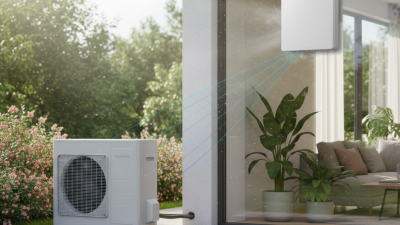
Split heat pumps utilize advanced technology to efficiently regulate temperatures in homes. The system consists of two main parts: an indoor and an outdoor unit. This separation allows homeowners to enjoy both heating and cooling capabilities.
When the outdoor unit extracts heat from the air, it sends it indoors. Refrigerant circulates between the units, changing states as it absorbs and releases heat. This method is energy efficient and reduces utility bills. In colder climates, it can be less effective, necessitating a backup heating source.
However, installation isn’t always straightforward. Finding the right location for outdoor units can be challenging. The units can also be noisy, which might disturb some homeowners. Regular maintenance is key to keeping them functioning properly. Overall, understanding the technology behind split heat pumps helps users make informed decisions for their heating and cooling needs.
Energy Efficiency and Cost Savings of Split Heat Pumps
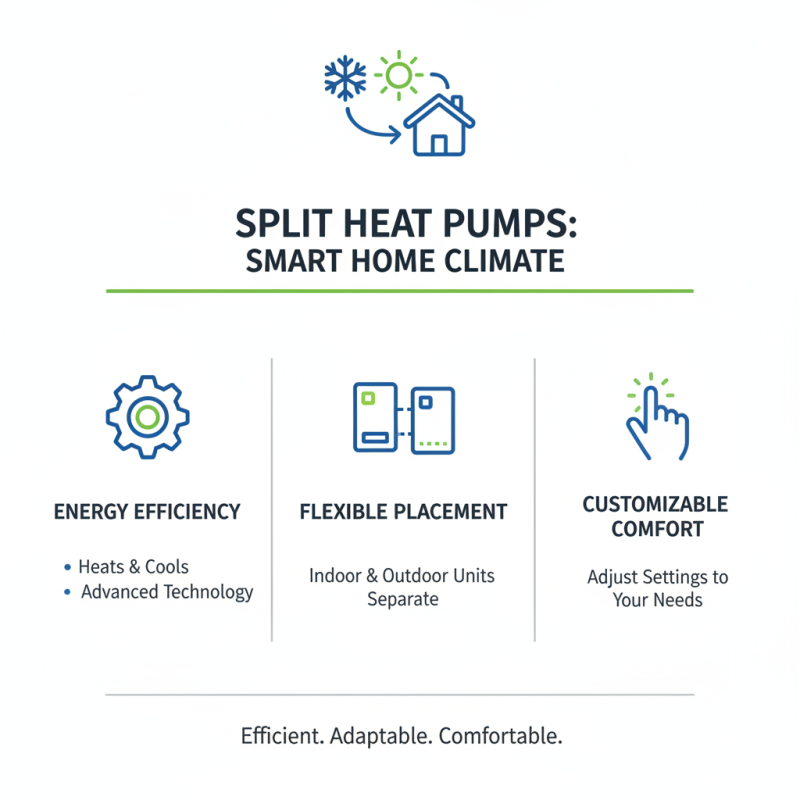
When considering home heating solutions, split heat pumps stand out for their energy efficiency. They utilize advanced technology to both heat and cool your space. This system divides the indoor and outdoor units, which allows for more flexible placement. Homeowners can adjust settings based on specific needs.
Cost savings are significant. With a higher seasonal energy efficiency ratio (SEER), these systems require less electricity. This translates to lower energy bills over time. Even an initial investment can pay off as you notice your expenses drop. Many users report savings of up to 30% compared to traditional systems.
While they promise great benefits, installation can be complicated. Proper placement is vital for optimal performance. If not installed correctly, efficiency drops, leading to higher costs. There's a learning curve when it comes to maintenance as well. Regular checks are necessary to sustain efficiency levels and avoid costly repairs later.
Choosing the Right Split Heat Pump Size for Your Space
When selecting a split heat pump for your home, size matters greatly. A properly sized unit ensures optimal performance and efficiency. If the heat pump is too small, it won't effectively heat or cool your space. Conversely, an oversized unit can lead to frequent cycling, wasting energy, and potentially increasing wear and tear.
One tip is to measure your room dimensions precisely. Calculate the square footage and consider ceiling height. This information helps in determining the correct capacity for your unit. Another factor to remember is your home's insulation. A well-insulated space requires less energy to maintain a comfortable temperature. Poor insulation, however, can lead to energy loss and increased energy bills.
Be mindful of your climate too. Regions with extreme temperatures may benefit from more powerful systems. It's a mistake to overlook local weather patterns. Evaluate your needs based on both current and future requirements. This can lead to a long-term solution that keeps your environment comfortable.
Balancing the size of the heat pump with your specific needs can feel tricky. However, making informed decisions pays off in the long run.
Maintenance Tips for Optimal Performance of Split Heat Pumps
Maintaining a split heat pump is essential for its efficiency.
Regular filters cleaning or replacements are crucial. Clogged filters can reduce airflow and increase energy consumption.
Check these filters monthly, especially during peak seasons. It’s a small task that can save you on energy bills and improve comfort.
Another key point is the outdoor unit. Keep it debris-free.
Leaves, dirt, and ice can block airflow and hinder performance. A clean outdoor unit works more efficiently.
It’s also wise to trim nearby plants and ensure nothing obstructs the unit.
This proactive care prevents costly repairs down the line.
Lastly, consider a professional check-up. Annual inspections can identify potential issues before they become serious.
Technicians can spot wear and tear. They can handle refrigerant checks as well. Neglecting these factors can lead to unexpected breakdowns.
Maintain a schedule to remind yourself of these checks. A little effort now can ensure your split heat pump runs smoothly for years.