What is a Wifi Air Conditioner and How Does it Work?
In recent years, the emergence of the "wifi air conditioner" has transformed climate control in our homes. As technology advances, these devices offer convenience and efficiency. According to industry expert Dr. Emily Chen, "Wifi air conditioners change how we think about cooling our spaces." They enable users to control temperatures remotely and monitor energy usage effectively.
A wifi air conditioner allows individuals to access their cooling systems via smartphones or tablets. Imagine arriving home on a hot day, only to find a perfectly chilled environment waiting for you. Users can set schedules and adjust settings from afar, enhancing comfort. However, these advancements also pose questions about reliance on technology and possible security vulnerabilities.
While the benefits are clear, not all experiences with wifi air conditioners have been perfect. Some users face connectivity issues, impacting control. Others find the initial setup complicated. Reflecting on these challenges can help improve future designs and enhance user experiences. Understanding the pros and cons of wifi air conditioners is essential in this evolving market.
What is a Wifi Air Conditioner?
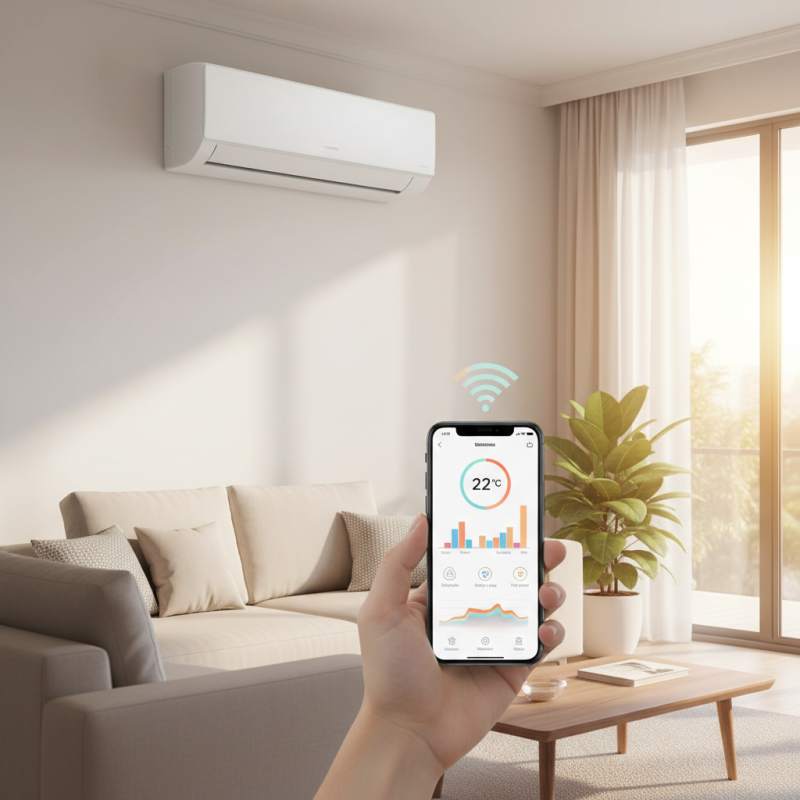
A WiFi air conditioner is a modern home appliance that offers convenience and control. Unlike traditional air conditioners, this device connects to your home WiFi network. This allows you to operate it from anywhere using your smartphone. Imagine being able to cool your home before you arrive. It can create a comfortable environment even before you step through the door.
Setting up a WiFi air conditioner can be straightforward for some. However, others may face challenges during installation. Compatibility with your WiFi network is crucial. Sometimes, the range of your WiFi can pose issues too. Users may experience connectivity problems. A few may even struggle with the app interface. These cases prompt reflection on the technology's user-friendliness.
The ability to program schedules is another attractive feature. You can set it to cool your home at specific times. Yet, some people might forget to adjust these settings. Energy savings could diminish as a result. People must remember to manage the settings actively. Still, the overall benefits of a WiFi air conditioner can outweigh its challenges.
WiFi Air Conditioner Usage by Region (2023)
How Wifi Connectivity Enhances Air Conditioner Functionality
WiFi connectivity can truly enhance the functionality of air conditioners. Many modern units come with built-in WiFi features. This allows users to control their air conditioning systems remotely. Imagine stepping into a cool room after a long day. You can adjust your AC from your phone before you even arrive home.
Remote access is just one benefit. Routine maintenance reminders can be sent directly to your smartphone. This helps ensure your unit runs efficiently. Some systems even analyze energy usage patterns. They can suggest optimal settings based on your habits. However, not all users may find these features intuitive. Sometimes tech can be overwhelming.
Integration with smart home systems is another advantage. You can set schedules or create scenes. For instance, your air conditioner can sync with your smart thermostat. Yet, occasional glitches can occur. A sudden app crash might leave you uncomfortable. It’s important to maintain your system properly. After all, comfort should always be a priority.
Key Features of Wifi Air Conditioners
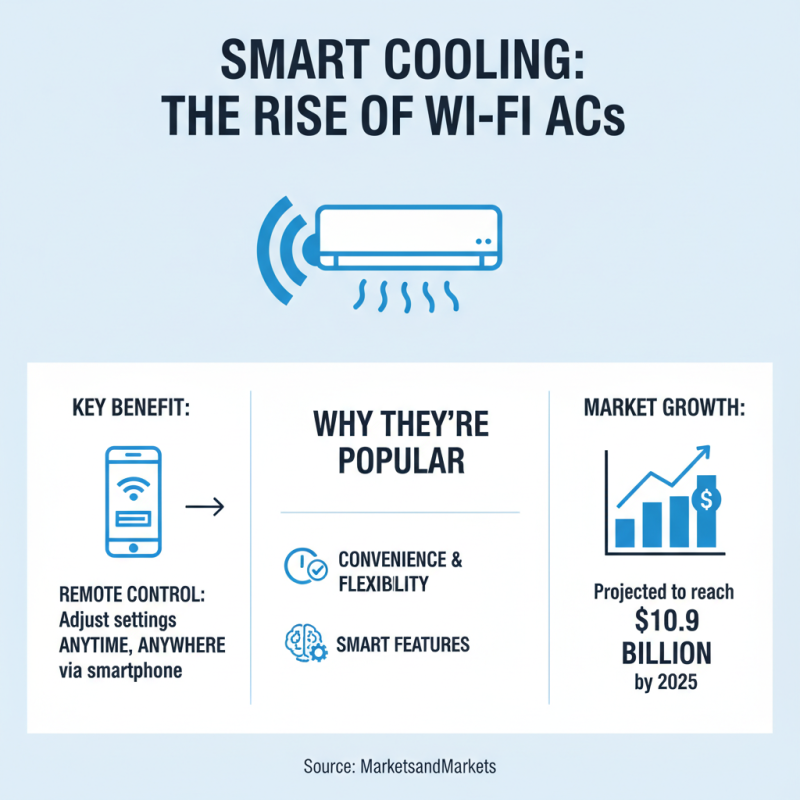
Wifi air conditioners are becoming increasingly popular due to their smart features. One of the key benefits is remote control capabilities. You can adjust settings from your smartphone, giving you convenience and flexibility. According to research by MarketsandMarkets, the smart air conditioner market is projected to reach $10.9 billion by 2025, indicating a strong demand for such technologies.
Many Wifi air conditioners come with energy-saving modes. This can reduce electricity consumption significantly. A study from the American Council for an Energy-Efficient Economy found that smart devices can save up to 20% on energy costs. Such features are particularly appealing in regions with high cooling demands.
Moreover, these devices often include smart scheduling options. You can program your air conditioner to cool your home before you arrive. This can increase comfort and enhance energy efficiency. However, users sometimes face issues with connectivity. Wifi interference can disrupt performance. Ensuring a stable internet connection is crucial. Not all users find this easy to manage. Balancing connectivity and comfort remains a challenge worth considering.
Working Mechanism of Wifi-enabled Air Conditioners
Wifi-enabled air conditioners bring convenience to modern living. They operate through a simple working mechanism that connects to your home’s Wi-Fi network. This connectivity allows you to control the unit remotely via a smartphone app. Imagine adjusting the temperature from your office or while driving home.
These air conditioners have built-in sensors. They monitor the room's temperature and humidity. If the humidity increases, the unit can respond immediately, making your space more comfortable. However, reliance on Wi-Fi can be frustrating during outages. Sometimes, signals may falter, leaving you unable to adjust settings.
**Tips:**
1. Ensure your home Wi-Fi is stable for smooth operation.
2. Regularly clean the air filter for efficient performance.
Occasionally, you may have to recalibrate your device. This could mean adjusting temperature settings more often than you'd like. Getting used to the technology can take time. Don't hesitate to seek help if you encounter connectivity issues. Using the app is sometimes not intuitive. Learning curve is real!
Benefits of Using a Wifi Air Conditioner
A WiFi air conditioner offers unmatched convenience. You can control it from anywhere using your smartphone. Imagine adjusting the temperature before you arrive home. That’s pure comfort. You can set schedules and customize preferences easily.
One major benefit is energy efficiency. A WiFi air conditioner can help reduce energy consumption. You can monitor usage through your phone. This feature encourages mindful habits. Remember, higher energy savings often means lower bills.
Tip: Always keep your air filters clean. Dirty filters can hinder performance. Regular maintenance ensures better airflow and efficiency.
Another advantage is remote diagnostics. If an issue arises, your device can alert you. This minimizes the need for emergency repairs. Quick notifications can save time. It's a little bittersweet that while technology helps, it’s also more dependent on devices. Relying solely on tech can lead to frustration at times.
Tip: Consider using timers for optimal cooling. Programming your AC to cool before you get home can be beneficial. But be cautious; over-reliance on automation may make you forget manual controls.
What is a Wifi Air Conditioner and How Does it Work? - Benefits of Using a Wifi Air Conditioner
| Feature |
Description |
Benefits |
| Remote Control |
Control the air conditioner from your smartphone or tablet. |
Convenience, can set temperatures without being present. |
| Energy Efficiency |
Monitor and optimize energy use through app settings. |
Lower energy bills, reduced carbon footprint. |
| Scheduling |
Set schedules for when the unit should turn on/off. |
Increased comfort, saves energy during unused hours. |
| Integration with Smart Home Systems |
Can be connected with other smart home devices. |
Enhanced home automation and control. |
| Alerts and Notifications |
Receive alerts for maintenance, filter changes, and issues. |
Proactive maintenance, extends lifespan of unit. |