Choosing the best ductless heat pump system from China requires more than comparing prices and cooling capacity. A reliable choice must balance seasonal efficiency, heating performance, noise control, installation quality, and long-term support. In real homes, these details become visible quickly. A bedroom unit should run quietly at night. An outdoor unit must continue heating during freezing mornings. A poorly matched system may save money initially, yet consume more energy over time.
Chinese manufacturers offer a wide range of ductless heat pump system designs, from compact single-zone models to multi-zone solutions for larger buildings. Some brands provide strong inverter technology, smart controls, corrosion-resistant coils, and detailed technical documentation. However, specifications can vary between product series. A high SEER rating does not automatically guarantee dependable winter performance. Buyers should examine tested heating data, compressor protection, operating temperatures, warranty terms, replacement parts, and installer training.
This guide compares practical factors instead of promoting one universal winner. No shortlist is flawless. A system that performs well in a mild coastal climate may struggle in a cold inland region. Certification, factory quality control, and after-sales communication also deserve close attention. Ask for laboratory reports and installation guidance. Check the electrical requirements before ordering. Small oversights can become expensive repairs.
The strongest option is usually the one that fits the building, climate, budget, and service network. Not merely the cheapest model. With careful evaluation, buyers can identify a Chinese ductless heat pump system that delivers efficient comfort, stable operation, and reasonable ownership costs. Performance should be verified, not assumed.
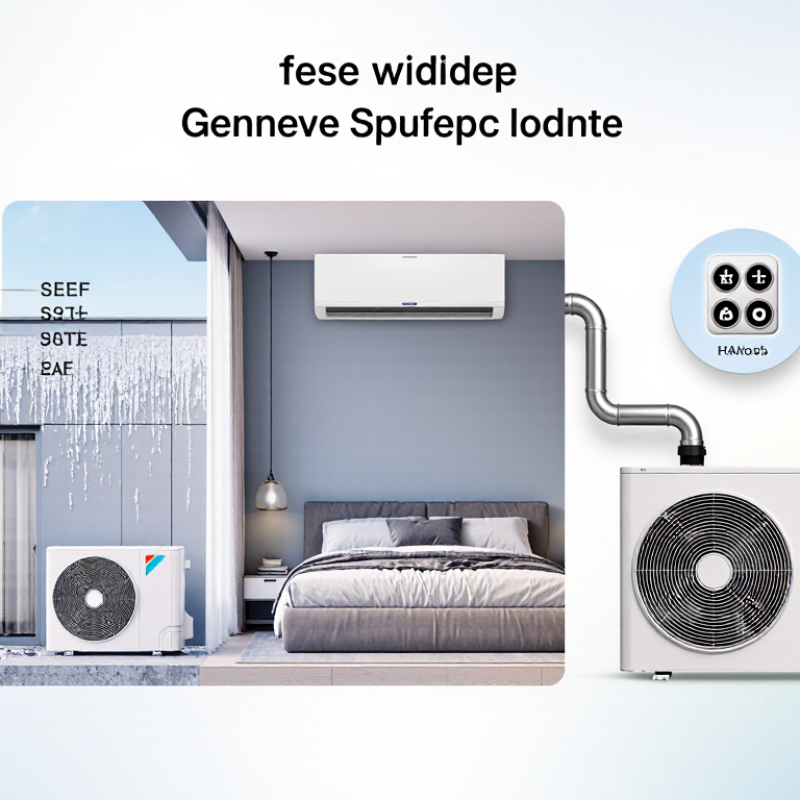
A ductless heat pump system moves heat instead of creating it through combustion. It uses an outdoor compressor and one or more indoor air handlers. In winter, the outdoor coil extracts heat from cold air. The refrigerant then carries that heat indoors. During summer, the cycle reverses and removes indoor heat.
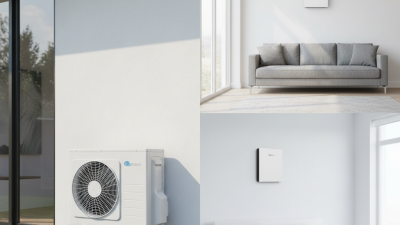
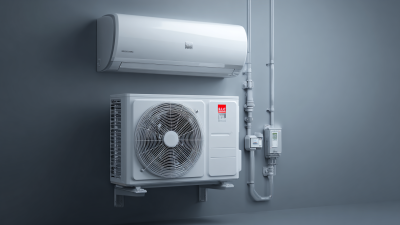
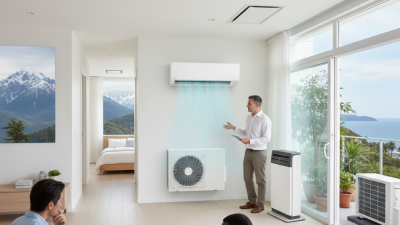
Each indoor unit connects to the outdoor unit through narrow refrigerant lines, power cables, and a condensate drain. No large air ducts are required. This makes ductless systems practical for older homes, additions, workshops, and rooms with uneven temperatures. In a real installation, an indoor unit may sit above a doorway, while the outdoor unit rests on a wall bracket near the bedroom window. That placement affects noise, drainage, and maintenance access. Quiet comfort matters.
When evaluating a ductless heat pump made in China, study the compressor type, inverter control, low-temperature performance, noise rating, spare-parts supply, and warranty process. Look for clear testing data, installation manuals, and documented efficiency measurements. Check local electrical, refrigerant, and efficiency requirements before purchase. A qualified technician should calculate the room load rather than select capacity by floor area alone.
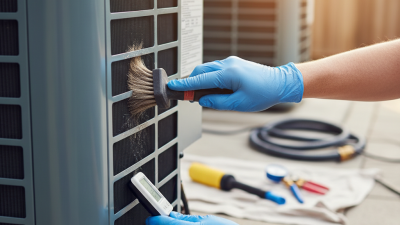
My first assessment often focused too much on heating output. That was incomplete. Poor sizing can cause short cycling, dry air, or disappointing comfort. Some systems also need regular filter cleaning and outdoor coil inspection after dusty weather. The best choice is not simply the cheapest unit. It is the system with dependable controls, suitable capacity, accessible service, and verified support.
A ductless heat pump system uses an outdoor heat-pump unit connected to one or more indoor air handlers through refrigerant lines. It provides both heating and cooling without the need for central air ducts.
Capacity classes of approximately 2.6, 3.5, 5.0, and 7.0 kW are widely used for ductless residential and light-commercial systems. The best system depends on room size, insulation, climate, low-temperature heating performance, efficiency ratings, installation quality, and available after-sales support rather than capacity alone.
A Chinese ductless heat pump moves heat instead of creating it. The outdoor coil absorbs energy from air, even during cold weather. Refrigerant carries that energy indoors through copper lines. The indoor coil then releases warm air into each room. In summer, the cycle reverses and removes indoor heat.
Most current systems use inverter compressors. They adjust speed instead of switching fully on and off. This can improve comfort and reduce electricity use during mild weather. The International Energy Agency reported that modern heat pumps can deliver three to five units of heat for each electricity unit consumed. The U.S. Department of Energy also states that ductless systems can avoid losses linked to traditional ductwork.
Control happens electronically. Sensors monitor room temperature, coil pressure, and outdoor conditions. An expansion valve regulates refrigerant flow. A reversing valve changes heating into cooling. During freezing weather, the system briefly enters defrost mode. You may notice cool air then. That detail is easy to overlook.
Manufacturing quality still varies between suppliers. Installation matters just as much. Poor pipe flaring, incorrect refrigerant charge, or blocked airflow can damage real-world efficiency. The IEA’s 2022 heat pump report identifies installation skills as a major market challenge. Cold-climate performance also depends on testing standards, insulation, and local service support. The brochure may promise a high coefficient of performance. Actual results can be lower in a drafty room.
The best ductless heat pump system from China is not defined by low price alone. In field evaluations, stable heating matters more than a glossy specification sheet. Look for variable-speed inverter control, accurate sensors, and a wide operating range. These features reduce temperature swings in a bedroom or small office. A quiet outdoor unit also matters at night. Check published sound levels, not vague claims. Good systems provide heating, cooling, dehumidification, and independent indoor temperature control.
Cold-climate performance deserves close attention. A capable unit should retain useful heating output below freezing, while automatic defrost prevents ice from choking the coil. Ask for capacity tables at several outdoor temperatures. One rating point is not enough. Efficient models show strong seasonal performance, low standby consumption, and responsive remote monitoring. Wi-Fi is helpful, but it cannot replace dependable local controls. Filtration should be removable and washable, with easy access behind the front panel. Fit matters. In practice, a filter that takes two minutes to clean is more likely to receive regular care.
Reliability also depends on installation support. Copper line quality, drainage design, vacuum testing, and correct refrigerant charging affect years of service. Request safety certifications, factory test records, warranty terms, and spare-parts availability before purchasing. Regional electrical standards must match the installation site. Do not trust unusually high efficiency claims without test conditions. No system is perfect. Even a well-designed heat pump may struggle in extreme weather or a poorly insulated room. That limitation should be stated clearly. I would compare measured data, service response times, and installer training before choosing a Chinese system.
Comparing Chinese ductless heat pump brands requires more than reading seasonal efficiency numbers. I start with the climate data for the installation site. A system rated for mild weather may struggle during a damp, freezing week. Check heating capacity at 17°F and 5°F, not only the headline rating. COP, SEER2, noise levels, and low-temperature performance should come from recognized laboratory testing.
I also inspect the compressor type, refrigerant, defrost control, and outdoor coil protection. During a winter installation, poor drainage can leave condensate frozen beneath the unit. That detail matters. Ask for certification documents, wiring diagrams, and service manuals before purchasing. A clear technical file usually signals better engineering discipline, although paperwork alone cannot prove field performance.
Warranty support often separates one Chinese manufacturer from another. Confirm who handles claims, how quickly parts are shipped, and whether local technicians receive training. Ask about control-board availability, fan motors, filters, and compatible replacement components. I prefer suppliers that provide realistic temperature limits instead of impressive promises. Some comparisons miss installation quality, which can distort efficiency and create indoor noise. A careful installer should size each room, check line-set length, test vacuum pressure, and measure airflow after commissioning. I have seen attractive quotations become expensive when these steps were treated as optional.
Choosing the best ductless heat pump system from China starts with installation quality, not the catalogue price. A qualified technician should calculate room-by-room heat loss, check voltage compatibility, and size the indoor units correctly. Oversizing may cause short cycling and uncomfortable humidity. Refrigerant lines need clean flares, proper insulation, and a documented pressure test. Small installation errors can quietly reduce performance.
Efficiency depends on climate and operating habits. The U.S. Department of Energy reports that modern heat pumps can deliver up to three times more heating energy than the electricity they consume. The International Energy Agency also found that heat pumps are typically three to five times more energy-efficient than gas boilers. Ask for tested COP, SEER2, and low-temperature performance data, not only marketing claims. Real results may disappoint if doors remain open or filters become dusty.
Maintenance is simple, but not optional. Clean indoor filters every one to three months, and inspect the outdoor coil before winter. DOE guidance supports regular filter replacement for sustained airflow. Warranty terms deserve equal attention. Confirm coverage periods for compressors, circuit boards, and labor. Check whether local technicians can provide parts and service. A long parts warranty means little during a January failure if shipping takes weeks. Some technical sheets look impressive, yet omit standby consumption and defrost behavior. That omission deserves a second look.