Best Split Heat Pump in 2026 Which Type Should You Choose?

Choosing the best split heat pump in 2026 is less about finding a universal winner and more about matching equipment to your home. A split heat pump connects an outdoor unit to indoor equipment, often through refrigerant lines. That layout can suit homes with limited indoor space, but installation quality, local climate, insulation, and electricity costs still matter. A quiet outdoor unit beside a garden wall may look ideal; poor placement or undersized equipment can undermine comfort.

The International Energy Agency’s The Future of Heat Pumps report found that global heat pump sales grew by nearly 15% in 2021, about twice their average growth rate over the previous decade. The report also describes heat pumps as an important option for reducing heating emissions. IEA Executive Director Fatih Birol said, “Heat pumps are a central part of the global effort to increase energy security and tackle climate change, and nearly half of global heating needs could be met by heat pumps by 2030.” That is a global scenario, not a promise for every household. Details matter. This guide compares ducted and ductless split heat pump systems, cold-climate models, efficiency ratings, and installation considerations. It also flags a common blind spot: a high seasonal efficiency rating cannot guarantee low bills if the home leaks heat or electricity is costly. Use the comparisons as a starting point, then check local performance data and get a qualified site assessment before choosing.
Best Split Heat Pump in 2026 Which Type Should You Choose?

What Is a Split Heat Pump and How Does It Work?

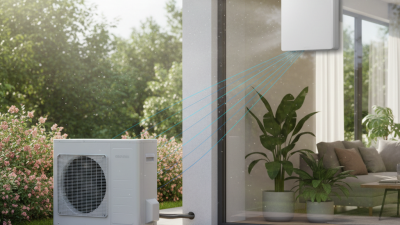
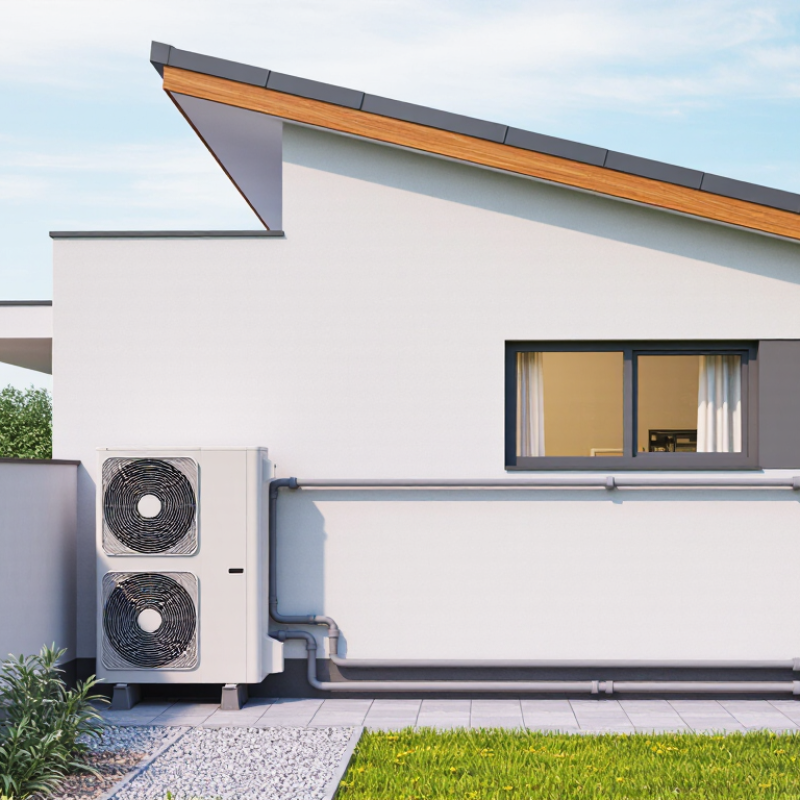
A split heat pump has two main parts: an outdoor unit and an indoor air handler. Refrigerant lines connect them through a small opening in the wall. The outdoor unit contains a compressor and coil; indoors, a fan moves conditioned air through the home’s ducts. No combustion takes place at the point of use.

In heating mode, refrigerant absorbs heat from outdoor air, even when it feels cold, then carries that heat indoors. A reversing valve switches the cycle for cooling, moving indoor heat outside. The compressor uses electricity, but the system transfers heat rather than creating it directly.

That matters. The International Energy Agency’s 2022 report, The Future of Heat Pumps, says a heat pump can deliver three to five units of heat per unit of electricity under suitable conditions.

Actual performance depends on outdoor temperature, equipment sizing, and installation. A drafty room or poorly placed thermostat can still feel uncomfortable. That is the less tidy part.

The U.S. Department of Energy also notes that heat pumps can use about 50% less electricity for heating than electric resistance systems.

These figures describe potential performance, not a guarantee for every home.

What Types of Split Heat Pumps Are Available in 2026?

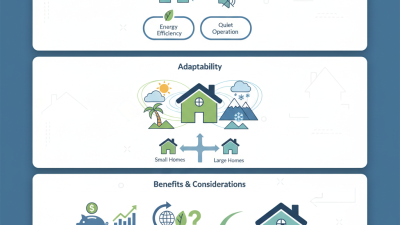
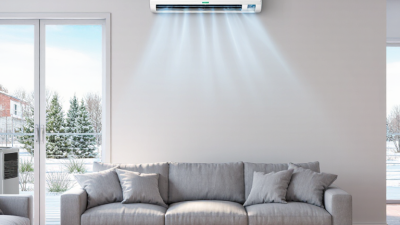
Split heat pumps come in several configurations, and the right type depends on your home’s layout, existing ducts, and winter temperatures. A single-zone ductless system connects one outdoor unit to one indoor head. It can suit an addition or a room that stays chilly, though the wall-mounted unit remains visible.

For several rooms, a multi-zone ductless system connects multiple indoor units to one outdoor unit. Each room can have separate temperature settings, but placement matters: a head above a doorway may not distribute air evenly down a long room. Small details count. A ducted split system uses an indoor air handler and ducts, so it can serve multiple rooms with less visible equipment. Leaky or undersized ducts can reduce comfort and efficiency, even with a well-matched heat pump.

Some split systems are designed for colder climates and may maintain useful heating capacity at lower outdoor temperatures. Others use variable-speed compressors, adjusting output instead of repeatedly switching fully on and off. There are also split air-to-water models, which transfer heat to water for compatible heating systems. Not every home fits. Before choosing, compare local winter conditions, electrical capacity, noise ratings, and installation requirements. Specifications can look impressive on paper, but room-by-room sizing and careful commissioning still make a real difference.

How Do Split Heat Pump Types Compare in Performance and Cost?

Split heat pumps vary most in how many rooms they serve and how air reaches them. A single-zone system connects one indoor unit to one outdoor unit, making it a straightforward choice for an open living area or room addition. It often costs less to install than a multi-zone setup. A multi-zone system connects several indoor units to one outdoor unit, allowing separate room controls. That flexibility can reduce unnecessary heating, but longer refrigerant lines and more indoor units may raise installation costs.

Ducted split systems use concealed indoor equipment and existing or new ducts to heat several rooms more evenly. They can look cleaner, though ductwork may lose heat if it is poorly sealed or insulated. Performance also depends on correct sizing, local winter temperatures, and the unit’s cold-weather capacity—not just its advertised efficiency rating. Check those details. Ask installers to explain their sizing assumptions and itemize equipment, electrical work, and labor. A cheaper quote may omit needed upgrades; a higher one is not automatically better. I’d compare estimated seasonal energy use alongside upfront cost, while remembering that household habits can make those estimates imperfect. A quiet bedroom unit may matter more than peak output, while an exposed, drafty room may need careful capacity planning.

Best Split Heat Pump in 2026: Which Type Should You Choose?

Compare typical U.S. installed cost with representative heating efficiency ratings.

Cost bars show midpoints of broad typical installed-price ranges: single-zone ductless ($2,000–$5,000), multi-zone ductless ($5,000–$15,000), ducted split ($5,000–$12,000), and cold-climate split ($4,000–$10,000). HSPF2 values are representative examples, not guarantees; actual cost and efficiency depend on equipment, home, climate, and installation. Cold-climate models can be ductless or ducted.

Which Factors Matter When Choosing a Split Heat Pump?

Best Split Heat Pump in 2026: Which Type Should You Choose?

Choosing a split heat pump starts with your home, not a product label. Ask a qualified installer to calculate heating and cooling loads using your home’s size, insulation, windows, and local winter temperatures. An oversized unit may cycle on and off too often. An undersized one can struggle on cold nights. Check seasonal efficiency ratings, but compare them alongside cold-weather capacity. A high rating alone does not guarantee comfortable rooms.

Think about layout and daily use. A single indoor head may suit an open-plan living area, while several zones can help bedrooms stay cooler or warmer independently. Multi-zone systems offer flexibility, but installation costs and controls can increase. Listen to the unit if it will sit near a bedroom window; published sound ratings help, though placement also matters. I’d be cautious about choosing from energy numbers alone. Real-world performance depends on installation quality and regular filter cleaning.

Tips: Get at least two detailed quotes. Ask how the installer sized the system, where indoor and outdoor units will go, and what cold-weather performance to expect. Check warranty terms and local service availability. Take a tape measure to proposed locations—an indoor unit above a narrow doorway may be awkward to clean. Then compare total installed cost, not just the equipment price.

How Can You Match a Split Heat Pump to Your Home?

Matching a split heat pump to your home starts with the rooms you actually use. A compact, well-insulated apartment may need one indoor unit, while a long house with closed bedroom doors may need several zones. Think about where you spend winter evenings, too. A unit in the living room may not warm a distant hallway evenly. Airflow matters.

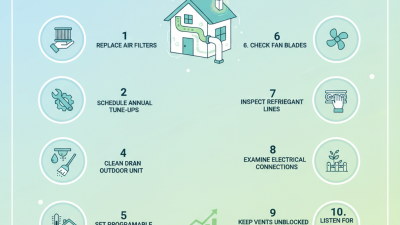
Room size is only part of the calculation. Ceiling height, window area, insulation, local winter temperatures, and sun exposure all affect heating demand. Ask for a room-by-room heat-loss assessment rather than choosing by floor area alone. Too much capacity can cause frequent cycling; too little may struggle on cold nights. Check the unit’s low-temperature output and noise level, especially if it will sit near a bedroom. Not every layout is simple. A narrow wall, limited outdoor-unit space, or long refrigerant lines can change the practical choice. I would not assume the largest system is safest; a careful site assessment is worth the extra questions. Also discuss drainage, electrical capacity, and routine filter access before installation.