What Is Ductless Heating and How Does It Work?

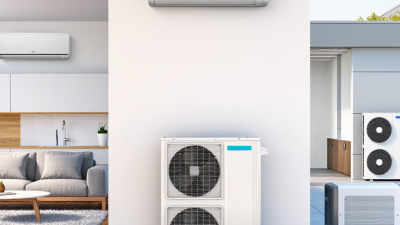
Ductless heating is changing how many homes handle winter comfort. Instead of pushing warm air through hidden ducts, a ductless mini-split transfers heat through a refrigerant circuit. An outdoor compressor connects to one or more indoor air-handling units. Each indoor unit then delivers conditioned air directly into a room.

The U.S. Department of Energy explains that heat pumps can provide two to four times more heating energy than the electricity they consume. ENERGY STAR also reports that certified ductless heat pumps may use up to 60% less energy than electric resistance heating. These figures matter in real spaces. A bedroom unit can warm a cold corner without heating an empty hallway. Zoning also lets occupants set different temperatures for separate rooms.

The process is practical but not effortless. During heating mode, the outdoor coil extracts available heat from cold air. The compressor raises the refrigerant’s temperature, and the indoor coil releases that heat indoors. Even at low outdoor temperatures, heat remains available. However, efficiency can decline during severe cold, defrost cycles, or poor installation. That detail is often overlooked.

A technician must size the system accurately. An oversized unit may cycle frequently, while an undersized unit may struggle on freezing nights. Placement matters, too. A wall-mounted unit needs clear airflow, regular filter cleaning, and sensible outdoor-unit drainage. Ductless heating is not automatically the best answer for every building. Insulation, climate, electricity prices, and household habits still influence performance. The promise is strong. The design must be honest.
What Is Ductless Heating and How Does It Work?

What Is Ductless Heating?

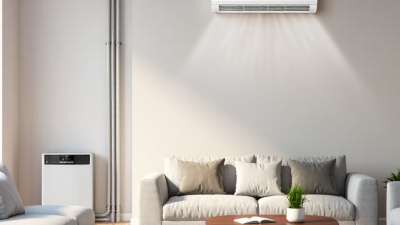
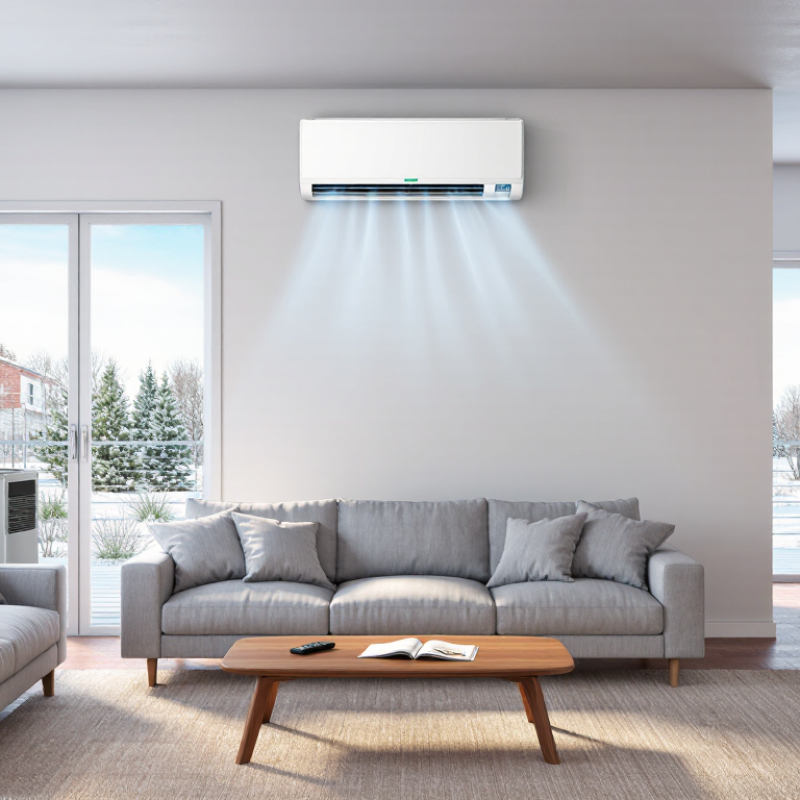
Ductless heating uses a heat pump to move heat, rather than generate it directly. A compact outdoor unit transfers heat through refrigerant lines to an indoor wall-mounted unit. The indoor coil then releases warmth into the room through a quiet fan. No ducts are needed. This design suits older homes, additions, garages, and rooms where extending central ductwork would be expensive or disruptive.

The U.S. Department of Energy reports that duct losses can exceed 30% of a home’s heating and cooling energy use, especially when ducts pass through unconditioned spaces. Ductless systems avoid that pathway. ENERGY STAR also states that certified mini-split heat pumps can use up to 60% less energy than standard electric resistance heating. Actual savings depend on insulation, climate, electricity rates, and installation quality. That matters.

In practical use, each indoor unit serves a defined zone. A bedroom may feel warm while an unused hallway stays cooler. This can reduce unnecessary heating, but it may also create uneven comfort if units are poorly positioned. Sizing still matters. An oversized system may cycle frequently, while an undersized one can struggle during freezing weather. The DOE recommends professional load calculations, not guesses based only on floor area. Even careful planning has limits, and real homes rarely perform exactly like laboratory models. Regular filter cleaning and outdoor-coil inspection remain essential for steady airflow and reliable winter operation.

What Are the Main Components of a Ductless Heating System?

A ductless heating system uses several compact components instead of hidden air ducts. The indoor air-handling unit sits high on a wall and contains a fan, coil, filter, and temperature sensor. It pushes warm air directly into the room. The outdoor unit houses the compressor, condenser coil, fan, and control board. These parts manage the heat exchange outside.

Insulated refrigerant lines connect both units through a small wall opening. Electrical wiring and a condensate drain usually pass through the same route. During heating, the system moves heat from outdoor air into the indoor coil. The indoor fan then circulates that heat around the room. A reversing valve changes the refrigerant direction when cooling is needed. Small detail, big effect. Poor line insulation can reduce efficiency and create condensation.

Tips: Keep the indoor filter clean, and leave open space around both units. A blocked outdoor coil may restrict airflow and increase operating costs. Ask a qualified technician to check refrigerant pressure, electrical connections, and drainage. Still, not every room responds perfectly. Open doors, high ceilings, and cold drafts can create uneven temperatures. A wall sensor may also read warmer air near the ceiling, causing the system to slow before the floor feels comfortable. Placement deserves careful thought, not just convenient installation.

What Is Ductless Heating and How Does It Work? — Main Components of a Ductless Heating System

A ductless heating system, commonly based on an air-source heat pump, transfers heat rather than generating it directly through fuel combustion.
Component or Concept Primary Function Typical Location How It Works in Heating Mode Important Facts
Ductless Heating System Provides space heating without a network of air ducts. Individual rooms, zones, or small buildings. A heat pump moves available heat from outdoor air indoors using a refrigerant cycle. It may also provide cooling when the refrigerant flow is reversed.
Indoor Air-Handling Unit Delivers conditioned air into the room. Mounted high on a wall, recessed into a ceiling, or installed near the floor. The indoor coil releases absorbed heat into the room, while a fan distributes the warm air. Many units include adjustable louvers, a washable filter, and fan-speed settings.
Outdoor Unit Extracts heat from outdoor air and houses major refrigeration components. Outside the building on a pad, wall bracket, or suitable support. The outdoor coil absorbs heat; the compressor raises the refrigerant’s pressure and temperature. It needs adequate airflow and should not be blocked by snow, leaves, or other obstructions.
Compressor Circulates and compresses the refrigerant. Usually inside the outdoor unit. Compression increases the refrigerant’s pressure and temperature so it can release heat indoors. Variable-speed compressors can adjust output to match the heating demand more closely.
Indoor and Outdoor Coils Transfer heat between the refrigerant and surrounding air. One coil is in the indoor unit and the other is in the outdoor unit. In heating mode, the indoor coil acts as the condenser and the outdoor coil acts as the evaporator. Their functions reverse during cooling mode.
Refrigerant Lines Carry refrigerant between the indoor and outdoor units. Passed through a small wall opening and routed between the units. One line carries high-pressure liquid refrigerant and the other carries lower-pressure vapor, depending on operating conditions. Proper insulation, length, and sealed connections are essential for efficient operation.
Expansion Device Controls refrigerant flow and reduces its pressure. Within the refrigerant circuit, commonly near a coil. The pressure drop cools the refrigerant so it can absorb heat from outdoor air. Its operation is coordinated with the compressor and reversing valve.
Reversing Valve Changes the direction of refrigerant flow. Usually located in the outdoor unit. Routes the refrigerant so the indoor coil releases heat during heating mode. This component enables one system to provide both heating and cooling.
Condensate Drain Removes water produced during certain operating conditions. Connected to the indoor unit and routed to an appropriate drain point. During heating, moisture may collect on the outdoor coil and drain from the outdoor unit during defrost. The exact drainage arrangement depends on the installation and local climate.
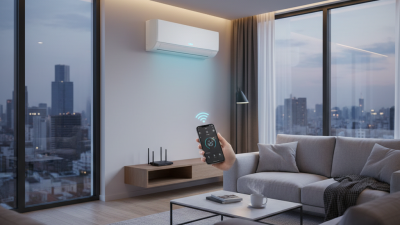
Thermostat or Remote Controller Sets the desired temperature and operating mode. Wall-mounted or handheld, depending on the system design. Sensors compare room conditions with the target temperature and signal the system to adjust operation. Common settings include heating, cooling, fan speed, scheduling, and energy-saving modes.
Air Filter Captures dust and airborne particles before air passes over the indoor coil. Behind the intake grille of the indoor unit. Allows cleaner air to circulate and helps protect the indoor coil from dust buildup. Cleaning frequency depends on use, indoor air quality, and the manufacturer’s instructions.
Electrical Supply and Controls Provides power and coordinates system operation. Electrical panel, outdoor unit, indoor unit, and interconnecting wiring. Powers the compressor, fans, sensors, and control boards. Installation should follow applicable electrical codes and the equipment’s required circuit specifications.
Defrost Function Removes frost that can form on the outdoor coil in cold, humid weather. Controlled by the system’s sensors and outdoor-unit controls. Temporarily reverses the refrigeration cycle to send heat to the outdoor coil and melt accumulated frost. A short defrost period may temporarily reduce or pause indoor heat output.
Zone Control Allows different rooms to be heated independently. Each indoor unit or designated area. Individual controls adjust temperature and operation for each zone. Zone control can reduce unnecessary heating in unoccupied rooms compared with conditioning the entire building through one central system.

How Does Ductless Heating Work Step by Step?

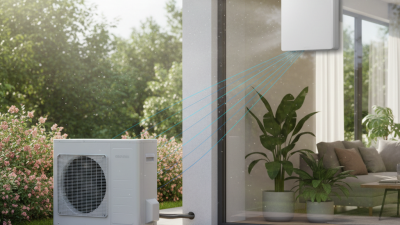
Ductless heating moves warmth through refrigerant lines instead of hidden air ducts. The process begins when the outdoor unit absorbs heat from outside air. Even cold air contains some usable heat.

The refrigerant carries this energy indoors through narrow insulated pipes. A compressor raises the refrigerant’s pressure and temperature. Inside the room, the indoor coil releases heat into the air. A quiet fan then pushes warmed air across the living space. Sensors adjust the fan speed and refrigerant flow as room conditions change.

The cycle reverses during cooling season. That flexibility is a major advantage. However, heating performance can drop during extreme cold. The system may enter a defrost cycle, briefly stopping normal heating while melting outdoor frost. You might notice cooler air for a short time. This is normal, but it can feel uncomfortable.

A qualified technician must size the system for the room, insulation, windows, and local climate. An oversized unit may start and stop too often. That wastes energy and creates uneven temperatures. During installation, the outdoor unit needs clear airflow and stable support. The indoor head should face the occupied area, not a blocked corner. Regular filter cleaning also matters. A dirty filter restricts airflow, although homeowners often underestimate its effect. Annual professional inspection can reveal refrigerant leaks, drainage problems, or electrical wear before they become costly.

What Types of Ductless Heating Systems Are Available?

Ductless heating moves warmth directly into rooms without a central air duct network. A small outdoor unit transfers heat, while indoor units release it through fans. In winter, the refrigerant cycle reverses and extracts heat from outdoor air. Even cold air contains usable thermal energy.

The most common option is a single-zone mini-split. It serves one room, such as a bedroom or home office.

Multi-split systems connect several indoor units to one outdoor unit. Each room can receive separate temperature control.

Variable refrigerant flow systems serve larger homes and commercial spaces. They adjust refrigerant flow across many zones, but installation requires careful design and balancing.

Electric radiant panels offer another ductless choice. They warm surfaces directly, rather than circulating air.

Portable heaters remain simple, though their operating costs can rise quickly.

Performance depends on climate, insulation, sizing, and maintenance. The U.S. Department of Energy reports that heat pumps can cut heating electricity use by about 50% compared with electric resistance heating.

The International Energy Agency’s 2022 heat pump report found typical heat pumps can deliver three to five units of heat for each unit of electricity.

Those figures are useful, not universal. Poor installation changes the result. Outdoor coils need clear airflow, and filters need regular cleaning. Defrost cycles may briefly reduce comfort. That detail is easy to overlook.

What Are the Benefits and Limitations of Ductless Heating?

Ductless heating uses an outdoor heat pump and one or more indoor units. The outdoor unit extracts heat from outside air, even on cold days. Refrigerant then transfers that heat indoors. Each indoor unit blows warmed air directly into a room. No hidden ducts are required. In homes without existing ductwork, installation can be faster and less disruptive than rebuilding walls or ceilings. Separate room controls can reduce heating in unused spaces. Actual savings depend on insulation, outdoor temperatures, electricity rates, and household habits.

The main advantage is zoning. A bedroom can stay cooler while the living room remains comfortable. This may improve comfort and reduce uneven temperatures caused by old ducts. Ductless systems also avoid duct leakage and often operate quietly. Still, indoor units remain visible, and some people dislike their appearance. Multiple rooms may require multiple units, increasing costs and cleaning duties. Performance can decline during severe cold. A properly sized system or backup heat may be necessary. Installation quality matters greatly. Poor refrigerant work can reduce efficiency and shorten equipment life. It is not maintenance-free.

Tips: Ask a qualified technician to calculate room-by-room heating demand, rather than relying only on floor area. Check wall placement, drainage, noise levels, and outdoor-unit clearance before installation. Clean filters regularly, and keep the outdoor coil free of leaves and snow. Review seasonal performance, not only the advertised efficiency rating. Ductless heating can be excellent, but it is not automatically the best choice for every home.