What Are the Top Types of Ductless Heating Systems?

Choosing the right ductless heating system is rarely as simple as comparing brand names or advertised efficiency. Homes differ in insulation, room size, climate, ceiling height, and daily routines. A compact wall-mounted mini-split may heat a bedroom efficiently, while a multi-zone system can serve several rooms with separate temperature controls. Larger commercial properties may benefit from variable refrigerant flow (VRF) technology.

As HVAC expert Allison A. Bailes III explains, “A heat pump is an air conditioner that can run in reverse.” That simple observation clarifies how ductless heat pumps work: they move heat rather than create it through combustion. In winter, the outdoor unit extracts available heat from outside air and transfers it indoors. Even cold weather does not make the process stop, although performance can change.

This guide examines the top types of ductless heating systems, including single-zone mini-splits, multi-zone systems, VRF networks, and ductless ground-source heat pumps. It will compare efficiency, installation demands, comfort control, noise, maintenance, and likely operating costs. Small details matter. A poorly placed indoor head can create uneven warmth near the floor. An undersized outdoor unit may run constantly during a January cold snap.

No system is perfect. Some claims about “all-season” performance need careful examination. Installer quality can matter as much as equipment quality. Homeowners should also question whether their electrical service, insulation, and drainage setup can support the chosen design. Understanding these practical limits makes the final decision more reliable.
What Are the Top Types of Ductless Heating Systems?

How Ductless Heating Systems Work

What Are the Top Types of Ductless Heating Systems?

How Ductless Heating Systems Work

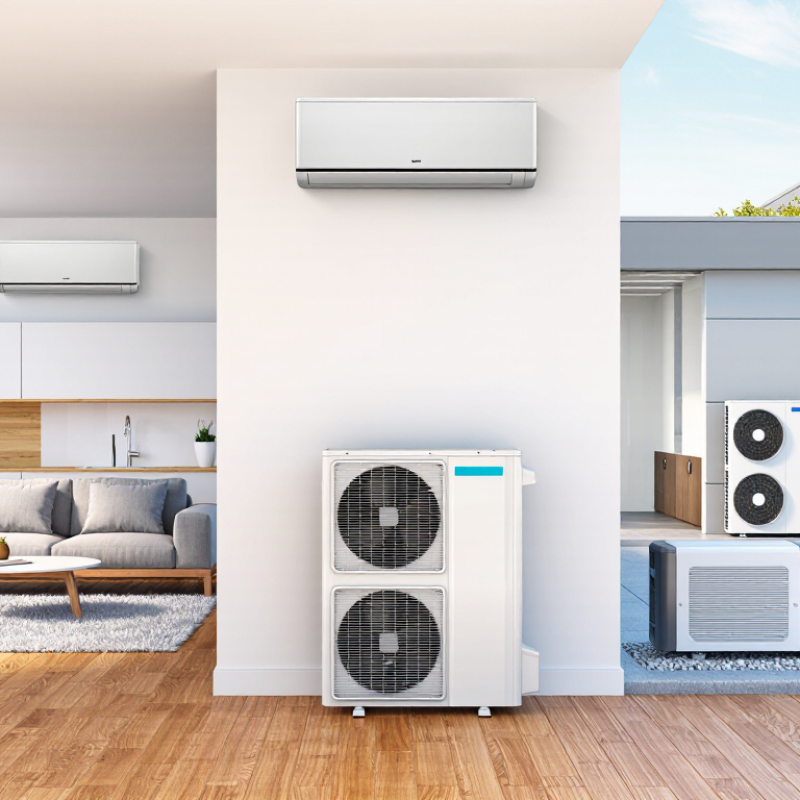
Ductless heating systems use an outdoor heat pump and one or more indoor air handlers. A refrigerant line connects these units through a small wall opening. In heating mode, the outdoor coil absorbs available heat from outdoor air. The compressor raises the refrigerant’s temperature, then the indoor coil releases warmth into the room.

A wall-mounted unit uses a fan to move heated air across the space. Multi-zone systems connect several indoor units to one outdoor unit, allowing separate room settings. Some models include a reversing valve, which changes the refrigerant direction for cooling. During very cold weather, the system may enter a defrost cycle. You may notice a brief pause, steam, or a change in fan sound. That is normal. Still, performance depends heavily on correct sizing and installation. No setup is perfect. Oversized equipment can cycle too often, while undersized equipment may run continuously.

Tips: Keep indoor filters clean, usually every few weeks during heavy use. Do not block the indoor outlet with furniture or curtains. Check that the outdoor unit has clear space around its coil. A technician should inspect refrigerant connections, drainage, airflow, and electrical safety. In my experience, neglected airflow causes more comfort complaints than homeowners expect. A simple temperature test between the room and supply air can reveal unusual performance, but it cannot replace professional testing.

Single-Zone Mini-Split Heat Pumps

Single-zone mini-split heat pumps provide heating and cooling for one room or open area. An outdoor unit connects to an indoor air handler through a narrow line set. This layout avoids large ducts and can reduce heat loss inside walls. It suits additions, workshops, bedrooms, and homes with uneven temperatures.

Performance depends on accurate sizing, not simply choosing the largest capacity. An oversized system may cycle frequently, leaving a room clammy and wasting electricity. A qualified technician should check insulation, window area, ceiling height, and local winter temperatures.

In colder climates, confirm the system maintains output below freezing. Defrost cycles are normal, but frequent or lengthy cycles deserve inspection. The indoor fan is usually quiet, though airflow can still disturb light sleepers.

Tips: Keep the indoor filter clean, and leave clear space around the outdoor coil. Set a steady temperature instead of making large daily adjustments. Ask for measured airflow and commissioning records after installation. I would also question vague efficiency claims; published ratings do not predict every home. A shaded outdoor unit may operate differently from one exposed to drifting snow. Small details matter. Maintenance should include electrical checks, coil cleaning, and refrigerant leak inspection by qualified personnel.

Multi-Zone Mini-Split Heating Systems

A multi-zone mini-split heating system uses one outdoor unit connected to several indoor units. Each indoor head serves a separate zone, such as a bedroom, office, or living room. During a winter morning, the living room can feel warm while an unused guest room stays cooler. This avoids heating every space equally.

Performance depends on design, not just equipment size. An experienced installer should assess room dimensions, insulation, window exposure, and local winter temperatures. Each indoor unit needs a clear airflow path. Poor placement can leave a cold corner near a desk or exterior wall. Outdoor units also need stable support and enough clearance for snow and airflow. In my view, zoning works best when household schedules differ. It can feel less convenient when controls are confusing.

Modern systems can provide steady heat with quiet operation. Many continue working in cold weather, but heating capacity may decrease as outdoor temperatures fall. Ask for published low-temperature performance data, not vague promises. Keep filters clean, and arrange professional inspection when airflow weakens or ice builds repeatedly. A small mistake matters. Oversized equipment may cycle poorly, while undersized zones can run constantly. Careful commissioning remains essential, even after installation appears complete.

Ductless Multi-Split Heat Pumps

Ductless Multi-Split Heat Pumps

Ductless multi-split heat pumps connect several indoor units to one outdoor compressor. Each room can receive heating or cooling without bulky ductwork. Wall-mounted, ceiling cassette, and concealed indoor units suit different layouts. A bedroom may stay at 19°C while a sunny living room needs less heat. In practice, this zoning can improve comfort and reduce wasted energy. However, proper sizing matters. An oversized system may cycle often and create uneven temperatures.

Tips: Ask a qualified installer to calculate room-by-room heat loss. Check the outdoor unit’s low-temperature performance. Confirm line-set lengths, condensate drainage, and electrical capacity before installation. Keep filters clean every few weeks during heavy use. Small details affect reliability.

Multi-split systems work well in renovated homes, extensions, and rooms far from existing heating equipment. They can also reduce disruption because walls usually need only small openings for refrigerant lines and cables. Cold-weather models may run defrost cycles, briefly pausing indoor heat. That pause can feel uncomfortable if the system is poorly selected. Noise levels deserve attention too, especially near bedrooms. I would not assume one outdoor unit always offers the best solution. Longer pipe runs, different room sizes, and simultaneous demand can reduce performance. A careful design review may reveal that two smaller systems work better.

Choosing the Right Ductless Heating System for Your Home

Choosing a ductless heating system starts with your rooms, insulation, and winter temperatures. Ductless systems are not all alike. A single-zone mini-split heats one room, such as a bedroom or converted garage. A multi-zone system connects several indoor units to one outdoor unit. Variable-refrigerant-flow systems suit larger homes with different heating demands. The U.S. Department of Energy reports that heat pumps can deliver two to four times more heat energy than the electricity they consume. That efficiency matters. However, laboratory ratings do not perfectly predict comfort in an older, drafty house.

Match capacity to the room’s measured heating load, not its floor area alone. An oversized unit may cycle frequently and leave corners chilly. A certified cold-climate model can maintain useful output during freezing weather. Ask an installer about low-temperature capacity, defrost behavior, sound levels, and backup heat. The ENERGY STAR Product Finder can help compare verified efficiency ratings. Still, efficiency is only one part of the decision. A quiet indoor unit placed above a sofa may blow warm air directly at people. That design is efficient, but not pleasant.

The U.S. Energy Information Administration’s 2020 Residential Energy Consumption Survey found that space heating represented about 42% of household energy use. Reducing heating waste can therefore affect both comfort and bills. Check window leakage, ceiling insulation, and electrical service before choosing equipment. In coastal homes, corrosion protection deserves attention. In snowy areas, raise the outdoor unit above expected drift levels. I would also request a room-by-room load calculation. It takes more effort, but guessing here can become an expensive mistake.