7 Home AC Tune Up Tips for Better Cooling?
A reliable home AC tune up begins before the first dangerously hot afternoon. The U.S. Energy Information Administration’s Residential Energy Consumption Survey reports that air conditioning accounts for about 8% of household energy use. That percentage can rise in older homes, especially with leaky ducts, clogged filters, or poor insulation.
ENERGY STAR recommends regular HVAC maintenance, including filter replacement, coil cleaning, and professional inspection. These small actions can improve airflow and reduce unnecessary strain. In the field, technicians often find a thin layer of dust covering the outdoor coil. It looks harmless. It is not.
HVAC educator and contractor Jim Cika offers a practical reminder: “Maintenance is cheaper than replacement.” That simple sentence deserves attention. A home AC tune up should check refrigerant performance, electrical connections, drain lines, blower operation, and thermostat accuracy. It should also reveal problems before they become expensive failures.
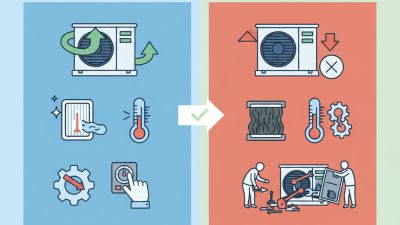
Still, maintenance is not magic. A tune-up cannot correct undersized equipment, damaged ductwork, or a poorly insulated attic. It may also expose issues that homeowners would rather postpone. That is uncomfortable, but useful.
The following seven tips focus on realistic improvements: cleaner filters, safer condensate drainage, stronger airflow, and more consistent room temperatures. Some tasks are homeowner-friendly. Others require a qualified HVAC professional. Knowing the difference protects both the equipment and the people inside the home.
Check and Replace the Air Filter
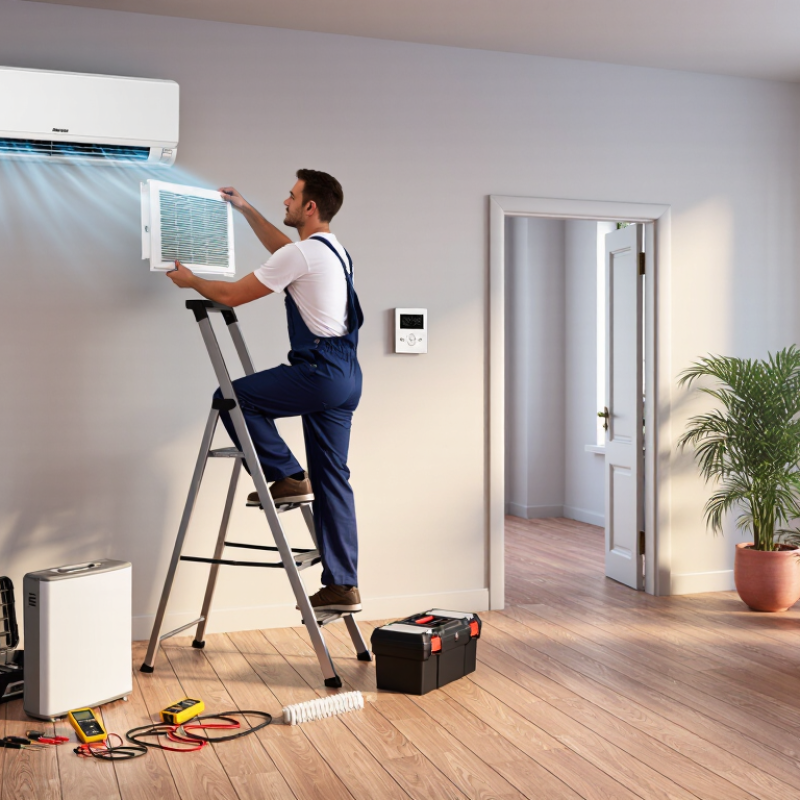
A clean air filter is the simplest home AC tune-up, yet it is often forgotten behind a return-air grille. The U.S. Department of Energy reports that heating and cooling use about 48% of energy in a typical American home. A blocked filter makes the blower work harder and restricts airflow across the indoor coil. Cooling then becomes slower, uneven, and more expensive. Check the filter every month during heavy summer use. Hold it near a window. If dust covers the surface or light barely passes through, replace it.
Choose the correct size and an efficiency rating suited to your system. A filter that is too dense can reduce airflow, even when it captures more particles. The U.S. Environmental Protection Agency recommends following the equipment manufacturer’s replacement schedule, while ENERGY STAR advises checking filters monthly and replacing them at least every three months. Homes with pets, renovations, or allergy concerns may need shorter intervals. Write the installation date on the filter frame. Small habit, useful evidence. I once treated a gray filter as “still acceptable,” but the upstairs rooms stayed warm for days. That judgment was poor. Turn off the system before removal, slide the new filter in according to the airflow arrow, and confirm the grille closes without gaps. If airflow remains weak, the filter was not the whole problem; a qualified technician should inspect the coil, ductwork, and blower.
Clean the Outdoor Condenser Unit
A clean outdoor condenser helps an air conditioner release indoor heat efficiently. The U.S. Department of Energy reports that heating and cooling use about 48% of energy in a typical American home. That makes this small maintenance task worth attention.
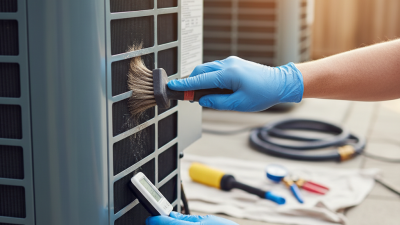
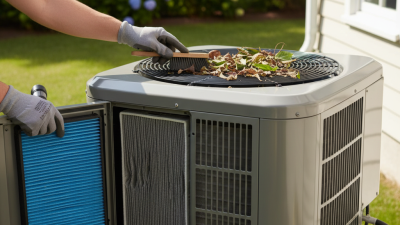
Turn off the thermostat, then shut off power at the outdoor disconnect. Remove leaves, grass, and paper from around the cabinet. Keep roughly two feet of open space around the unit. A garden hose works better than a pressure washer. Rinse the aluminum coil gently from the inside outward, when access allows. This pushes dirt away instead of deeper into the fins. Avoid spraying the electrical box. Straighten only badly bent fins with a fin comb, and work slowly.
Small details matter.
The U.S. Energy Information Administration reported that air conditioning used about 19% of household electricity in 2020. A blocked condenser can make the compressor run longer, although cleaning alone cannot fix every cooling problem. I have found that homeowners often clean the visible top and ignore the lower coil, where cottonwood and dust collect. That shortcut is understandable, but incomplete. If the coil remains matted, the fan sounds strained, or the system blows warm air after cleaning, stop troubleshooting. A qualified technician should inspect airflow, electrical components, and refrigerant levels. Never open sealed refrigerant lines yourself.
Inspect Indoor and Outdoor Coils
Indoor and outdoor coils are the quiet workhorses of cooling. The indoor evaporator coil absorbs heat from room air. The outdoor condenser coil releases that heat outside. When dust blocks either surface, airflow and heat transfer suffer. This can increase runtime, create noise, and leave rooms unevenly cool. The U.S. Department of Energy reports that heating and cooling use about half of a typical home’s energy. Coil condition is not a minor cleaning detail.
The U.S. Energy Information Administration’s 2020 Residential Energy Consumption Survey found that 88% of U.S. homes use air conditioning. Turn off power before inspecting anything. Check the indoor coil for dust, water stains, biological growth, and crushed fins. A clogged filter may be the real cause. Do not blame the coil too quickly.
Outside, remove leaves and grass from the condenser cabinet. Keep at least two feet of clearance around it. A soft brush and low-pressure water usually work better than aggressive spraying. Bent fins reduce airflow, so a fin comb can restore passage carefully.
A proper tune-up also measures performance. The Air Conditioning Contractors of America recommends checking airflow, temperature change, electrical readings, and refrigerant-related conditions during service. A colder vent does not prove a healthy system. I have seen clean outdoor coils paired with weak indoor airflow. That mistake wastes time. If the coil is deeply contaminated, access is restricted, or ice appears, use a qualified technician. Refrigerant pressure should never be guessed from surface temperature alone.
Test the Thermostat and Airflow
A reliable home AC tune-up starts with the thermostat. Set it to cooling mode, then lower the temperature three degrees below the room temperature. The system should start within a few minutes. If it does not, check the batteries, schedule, and circuit breaker. Do not repeatedly reset the breaker. That can hide an electrical problem.
Next, test airflow at each supply vent. Hold a tissue near the grille and watch for steady movement. Weak airflow may indicate a clogged filter, closed damper, blocked duct, or dirty indoor coil. Check the return grille too. It needs clear space around it. Keep doors open between rooms, unless each room has a proper return path. Measure the air temperature at the return and supply vents with a clean thermometer. A noticeable difference is useful, but it does not prove the system is fully healthy.
I once blamed poor cooling on low refrigerant. That assumption was wrong. A heavily loaded filter had restricted the airflow. After replacing it, the room cooled more evenly. Filters should fit firmly, but airflow ratings can be confusing. Follow the equipment instructions or ask a qualified technician for guidance. Never open sealed refrigerant lines or electrical panels without proper training. If the thermostat works but airflow remains weak, arrange professional service. Take notes about temperatures, noises, and room conditions before the visit. Those details can make diagnosis faster.
Schedule a Professional AC System Check
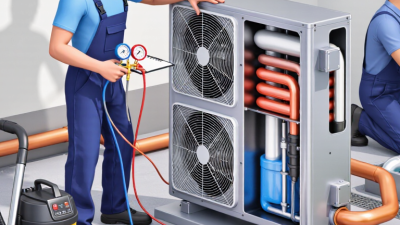
A professional AC system check can improve cooling before hot weather arrives. Schedule it before the first sustained heat wave, when technicians often have fewer openings. A qualified technician should inspect the thermostat, electrical connections, blower motor, fan capacitor, and safety controls. Loose wiring can create uneven cooling or cause sudden shutdowns.
The inspection should include cleaning the outdoor coil and checking indoor airflow. Dust packed between coil fins acts like a blanket, while a clogged filter can weaken airflow across the home. The technician should measure supply and return temperatures, inspect duct connections, and test the condensate drain. Small noises matter. A rattling panel or slow drain may reveal a problem before water reaches the floor.
Refrigerant pressure also deserves professional attention. Low readings can indicate a leak, not simply a need for more refrigerant. Do not guess or handle refrigerant without proper training and legal authorization. Ask for the measured readings and a written explanation of recommended repairs. I once ignored a faint buzzing sound because the system still cooled the room. That decision cost more later. A seasonal inspection is useful, but it is not magic; neglected filters, blocked vents, and poor insulation can still limit comfort. Check those details between service visits, even when the equipment seems reliable.