China Top 10 WiFi Air Conditioner Manufacturers?

China’s air-conditioning industry has moved beyond basic cooling. Many factories now combine inverter compressors, smart sensors, mobile applications, and energy-saving controls. This article introduces ten leading Chinese manufacturers associated with the wifi air conditioner market. It focuses on practical evidence rather than attractive product claims.

The evaluation considers manufacturing scale, engineering capability, export experience, and after-sales support. It also examines cooling performance, heating stability, noise levels, energy efficiency, and application reliability. Factory certifications, laboratory testing, and compliance with international safety requirements matter. So does compatibility with common smart-home platforms. A polished app cannot compensate for weak service or inconsistent temperature control.

Real-world details often reveal more. A hotel operator may need centralized control across fifty rooms. A homeowner may care more about stable Wi-Fi after a router restart. Installers may prioritize accessible wiring, clear manuals, and dependable spare parts. These differences make a single “best” manufacturer difficult to identify. No ranking is perfectly permanent. Product lines, ownership structures, and export capabilities can change quickly.

This overview therefore presents a balanced starting point for importers, distributors, contractors, and informed buyers. It does not treat factory size as proof of product quality. Independent testing and local verification remain necessary. Some public information is incomplete, especially regarding long-term failure rates and software security. That limitation deserves attention. Readers should compare warranty terms, refrigerant choices, service networks, and total operating costs before making a purchase. The strongest wifi air conditioner supplier is not always the most famous name. It is the partner that performs consistently after installation.

China Top 10 WiFi Air Conditioner Manufacturers?

China’s WiFi Air Conditioner Manufacturing Industry Overview

China’s WiFi air conditioner manufacturing industry has grown from basic remote control to connected home climate systems. Manufacturers now combine compressors, sensors, mobile applications, and cloud platforms in one product. Major production clusters support plastic molding, electronic assembly, testing, and export logistics. This supply chain helps shorten development cycles and control costs.

In practical factory evaluations, buyers should inspect WiFi stability, cooling performance, noise levels, and energy data. A reliable unit should reconnect after a router restart and respond quickly to temperature changes. Testing should also cover humid rooms, weak signals, and long operating periods. Some published specifications look impressive, but real household performance may differ. That gap deserves honest attention.

Tips: Request sample testing before large orders. Check electrical certifications for the target market. Confirm application language, data handling, warranty procedures, and spare-part availability. Ask for factory quality records, not only product brochures. A useful test includes a bedroom, a thick wall, and several days of continuous operation. WiFi convenience means little when the compressor is noisy. Oversight remains necessary, because smart features can distract from airflow design and service quality.

How to Evaluate China’s Top WiFi Air Conditioner Manufacturers

Evaluating China’s top WiFi air conditioner manufacturers requires more than comparing prices. A reliable assessment begins with factory experience, engineering depth, and documented quality controls. Ask how long the manufacturer has produced connected air conditioners. Review compressor testing, energy performance data, and temperature stability under heavy use. Factory photos are helpful, but an independent audit is stronger evidence.

Examine the WiFi system closely. Confirm compatibility with common networks, clear pairing instructions, and stable operation after router changes. The mobile application should show temperature, power status, schedules, and fault alerts. Data protection also matters. Request information about encryption, software updates, user permissions, and server locations. Check regional safety, electrical, radio, and energy certifications before placing an order. A sample unit should run through cooling, sleep, restart, and remote-control tests. Do not trust a perfect demonstration alone. I once found a smooth sample experience less convincing after repeated network interruptions.

Tips: Request production records, inspection reports, warranty terms, and spare-parts policies. Compare the promised response time with actual support during technical questions. Visit the facility when possible, or use a qualified third-party inspector. Check whether software support continues after installation. A low purchase price may become expensive when replacement boards are unavailable. Also test noise at night, not only during a busy daytime visit. Small details often reveal practical quality.

Top 10 China WiFi Air Conditioner Manufacturers by Product Strength

China Top 10 WiFi Air Conditioner Manufacturers

A strong top-ten ranking should focus on product strength, not advertising volume. Chinese manufacturers with advanced production lines often offer efficient compressors, stable inverters, and precise temperature control. Their stronger models also support dual-band WiFi, app scheduling, voice integration, and fault alerts. However, smart features mean little if the cooling performance is inconsistent.

Product testing should examine performance in humid rooms, noisy bedrooms, and large living spaces. Look for clear energy data, durable outdoor units, and filters that are easy to remove. Factory quality systems, laboratory testing, export experience, and responsive technical support also show professional capability. Installation guidance matters more than many buyers expect. A powerful unit can still perform poorly after careless installation.

Tips: Compare cooling capacity with room size, not appearance. Check WiFi compatibility before purchase. Ask for noise levels, warranty terms, spare-parts availability, and service response times. Read installer feedback from similar climates. A ranking is never perfect. Some manufacturers publish impressive specifications, but long-term reliability needs real usage evidence. Buyers should compare independent test results with factory claims, because both may leave out inconvenient details. Regular filter cleaning and stable network access also affect the smart experience. Product strength is built through engineering, testing, and support—not only through a polished mobile application.

Smart Features and Connectivity Standards in Chinese WiFi ACs

China Top 10 WiFi Air Conditioner Manufacturers?

When comparing leading Chinese WiFi air conditioner manufacturers, connectivity matters as much as cooling capacity. Most current models support 2.4 GHz WiFi through 802.11 b/g/n standards. Some also offer Bluetooth for faster pairing during installation. In a concrete apartment, the indoor unit may lose signal behind thick walls. I have seen this happen. A stable router location still matters more than a long feature list.

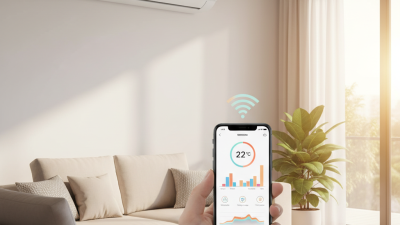
Useful smart functions include remote start, weekly schedules, sleep temperature control, energy monitoring, and filter-cleaning alerts. Many systems provide self-diagnosis through a mobile application. Some send fault codes before a service visit, which can reduce inspection time. Voice control is convenient, but regional language support varies. Users should check this detail before purchasing. OTA firmware updates can improve security and performance, yet updates may temporarily interrupt remote access. That weakness deserves attention.

Compatibility is another important test. Buyers should confirm support for WPA2 or WPA3 encryption, IPv4 or IPv6 networks, and the required application region. Newer products may support Matter or other smart-home standards, but availability is not consistent across models. A reliable unit should continue basic cooling when the internet fails. Cloud dependence can become frustrating during router maintenance. Energy readings also need verification, because estimated data may differ from a household meter. Technical specifications, warranty terms, installer training, and local service response provide stronger evidence than app screenshots.

How to Select a Reliable Chinese WiFi Air Conditioner Supplier

Selecting a reliable Chinese WiFi air conditioner supplier requires more than comparing prices. A capable supplier should provide a stable working sample, clear technical drawings, and test records for cooling performance, noise, and energy use. Test it live. Connect the unit to WiFi from different rooms, restart the router, and check whether remote commands respond within a few seconds.

Factory verification also matters. Request the business license, production capacity, quality-control procedures, and relevant safety certifications for your target market. Ask for evidence. A serious supplier can explain compressor options, refrigerant specifications, app compatibility, firmware updates, and data-protection practices without avoiding details. Visit the factory when possible, or arrange a live video inspection of assembly lines, aging-test areas, and spare-parts storage.

After-sales support often separates a dependable partner from a cheap seller. Confirm the warranty period, replacement-part availability, response time, installation guidance, and technical training. Put these points into a written agreement, including acceptable defect rates and delivery responsibilities. A polished showroom can mislead. No checklist is perfect. During one evaluation, a supplier passed sample testing but struggled to answer basic questions about software updates. That weakness deserved attention, even though the unit performed well. Choose a supplier that communicates consistently, accepts reasonable product changes, and shares realistic lead times instead of making impressive promises. A small pilot order can reveal packaging problems, connection failures, and support delays before larger commitments.