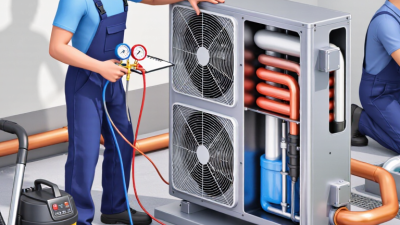
A reliable ac tune up service is more than a quick glance at the outdoor unit. It is a careful inspection of airflow, electrical safety, refrigerant performance, and drainage. Small details matter. A clogged filter can darken a ceiling vent. A loose wire can create a sharp electrical smell. A blocked condensate line can leave water near the furnace.
Bryan Orr, an HVAC educator and refrigeration professional, explains, “The best maintenance is the maintenance that prevents the call-back.” His point is practical. Buyers should not accept vague promises or a rushed checklist. They should ask what the technician measured, what was cleaned, and which problems require attention now. Photos, temperature readings, and clear invoices provide useful evidence.
These seven service tips focus on what homeowners can see, question, and document. They cover filter condition, coil cleaning, blower operation, thermostat accuracy, refrigerant checks, electrical connections, and drain-line testing. Some companies include every item. Others do not. That difference deserves attention.
A tune-up cannot make an old system new. It may also reveal damage that was already developing. That can be disappointing. Still, honest findings are safer than a polished but incomplete visit. Look for licensed professionals, transparent pricing, and recommendations supported by measurements. Ask about the system’s age and likely repair value, too. A perfect checklist does not exist. Careful questions usually expose the difference between real maintenance and a ten-minute sales pitch.

An AC tune-up is more than a quick filter change. A qualified technician should inspect the thermostat, electrical connections, capacitors, contactor, blower motor, coils, refrigerant circuit, and condensate drain. They should also measure temperature split, airflow, voltage, and operating current. These readings reveal problems that a visual inspection can miss.
The U.S. Department of Energy reports that heating and cooling use nearly half of a typical home’s energy. Dirty filters and restricted airflow can make the system work harder. The technician should check the filter condition and explain its replacement schedule. The ENERGY STAR maintenance guidance recommends professional air-conditioning service before the cooling season. That timing helps identify weak components before extreme heat arrives.
Ask for a written service report. It should list measured values, discovered defects, cleaning performed, and recommended repairs. Ask for numbers. “Looks good” is not enough. The technician should also test the condensate safety switch and inspect the drain for algae or standing water. A proper tune-up does not automatically mean higher efficiency. It cannot correct undersized equipment, damaged ductwork, or poor insulation.
Some uncertainty remains. Even careful technicians can miss an intermittent electrical fault. That is why operating measurements and service history matter. If refrigerant is low, request leak testing instead of accepting repeated top-offs. The Air Conditioning Contractors of America standards emphasize documented procedures and verified system performance, but service quality still varies between providers. Expect clear evidence, not confident promises.
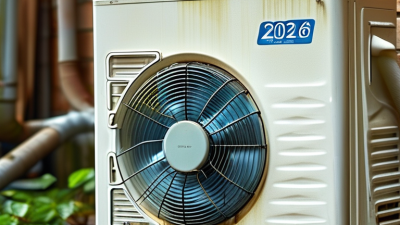
During a proper AC tune-up, a technician does more than glance at the outdoor unit. The inspection begins with the thermostat, air filter, wiring, disconnect, and electrical connections. Power is switched off before panels are removed. A meter helps verify safe conditions. Safety comes before speed.
The technician then checks airflow, fan operation, and temperature differences between supply and return vents. Coils are cleaned carefully, because packed dirt can restrict heat transfer and raise energy use. A soft brush or approved vacuum protects delicate fins. The condensate drain is flushed and checked for standing water. Small details matter. Refrigerant readings should be taken after airflow problems are ruled out. Otherwise, a correct charge may appear incorrect. The technician may also inspect the blower wheel, listen for unusual vibration, and look for worn insulation or loose components. I have seen clean cabinets hiding clogged coils inside. A visual check alone is not enough. Even experienced technicians can overlook a weak connection when the system runs normally. Photos, measured readings, and clear service notes make the inspection more reliable.
A reliable tune-up should examine more than temperature output. The technician should measure refrigerant pressure, inspect for leaks, and compare readings with manufacturer specifications. The U.S. Environmental Protection Agency explains that improper refrigerant handling can reduce efficiency and increase environmental harm. Ask for measured results, not “looks fine.” That phrase is convenient, but weak.
Electrical testing deserves equal attention. The technician should inspect capacitors, contactors, wiring, disconnects, and voltage under load. Loose connections may create heat before failure becomes obvious. The U.S. Department of Energy recommends regular maintenance because neglected systems can lose efficiency and reliability. However, a basic visual inspection cannot reveal every electrical fault. Buyers should request a written record of tested values.
Airflow problems often hide in ordinary places. A loaded filter, crushed duct, dirty evaporator coil, or blocked return can make a room feel warm. ASHRAE guidance connects proper airflow with comfort, equipment performance, and indoor air quality. The service should include filter condition, temperature split, blower operation, drain flow, thermostat accuracy, and safety controls. The International Energy Agency reports that cooling demand could more than triple globally by 2050, making efficient operation increasingly important. I would also ask for photos and follow-up advice. Technicians can miss details. Careful documentation helps expose that.
A quality AC tune-up begins with measurements, not a quick spray and signature. Ask whether the technician checks airflow, electrical connections, thermostat accuracy, condensate drainage, coils, and refrigerant indicators. Ask for proof. The U.S. Energy Information Administration reports that air conditioning represents about 9% of household energy use. Small performance problems can therefore affect comfort and monthly costs. However, technicians should avoid promising a fixed savings percentage without inspecting your system.
Request an itemized quote before work begins. It should separate the service fee, labor, replacement parts, refrigerant, disposal charges, and possible emergency surcharges. Compare two or three written estimates, but do not choose only by price. The U.S. Bureau of Labor Statistics reported a median annual wage of $57,460 for heating, air-conditioning, and refrigeration mechanics in May 2023. Labor quality has a real cost. A suspiciously cheap visit may exclude testing, documentation, or safe cleanup.
Check licensing, insurance, training, and refrigerant-handling certification. EPA Section 608 certification is a useful quality signal for technicians working with regulated refrigerants. Request before-and-after readings, photographs, and a clear explanation of defects. Good technicians explain urgency without pressure. That matters. A perfect checklist does not exist, and even experienced technicians can miss developing problems. I would also ask about the callback policy, warranty limits, and whether unused parts can be returned. That last detail is easy to overlook.
Schedule an AC tune-up in early spring, before daily temperatures become uncomfortable. A qualified technician should inspect airflow, electrical connections, refrigerant pressure, drainage, and thermostat accuracy. Ask for a written report with measured readings, not vague assurances. Clean filters monthly during heavy use, especially in homes with pets or dusty rooms. A restricted filter can make the system work harder and raise energy costs.
Have the technician check the evaporator coil and condenser coil for dirt. Inspect the blower wheel, drain pan, and condensate line for blockage. Test the capacitor and contactor for wear, overheating, or weak performance. Listen for grinding, buzzing, or repeated cycling. Small sounds matter. Replace a filter when it looks gray, damaged, or difficult to breathe through. Replace a capacitor, contactor, belt, or motor only when testing shows failure or unsafe wear. Cheap parts are not always sensible parts.
Refrigerant should not be added automatically. Low pressure may indicate a leak, which requires proper diagnosis and repair. If the coil is heavily corroded, compare repair costs with the system’s age and expected reliability. A tune-up cannot prevent every breakdown. That limitation deserves honest discussion. Even careful inspections can miss an intermittent electrical fault. Before approving work, request part specifications, labor details, warranty terms, and photographs of serious defects.
Personally, I would question any recommendation made without measurements or clear evidence.