How to Choose the Best Ductless Heat Pump System for You?
Choosing the right ductless heat pump system is crucial for optimal home comfort. According to the U.S. Department of Energy, ductless systems can improve energy efficiency by 30% compared to conventional heating methods. With rising energy costs, selecting an efficient system is more important than ever.
Ductless heat pump systems offer flexibility and zoned heating. They are suited for homes without ductwork, making installation easier. However, the choices can be overwhelming. Not all systems are created equal. Some may lack features that ensure reliable performance or energy savings.
Understanding your specific needs is vital. A poorly chosen system can lead to discomfort and higher energy bills. Reviews and professional feedback can provide insights into which ductless heat pump systems perform best in your area. A thoughtful approach will help in finding a balance between comfort and cost-efficiency.
Understanding Ductless Heat Pump Systems: An Overview
Ductless heat pump systems are gaining popularity for residential heating and cooling. They offer flexibility and efficiency. According to the U.S. Department of Energy, ductless systems can reduce energy costs by up to 30%. This is significant when you consider the average energy expenditure of households, which can exceed $2,000 annually.
These systems consist of an outdoor unit and one or more indoor units. They use refrigerant to transfer heat between indoor and outdoor areas. The lack of ducts means less energy loss. Homeowners can enjoy personalized comfort, adjusting temperatures in different rooms. However, installation requires professional assessment to ensure optimal placement and performance.
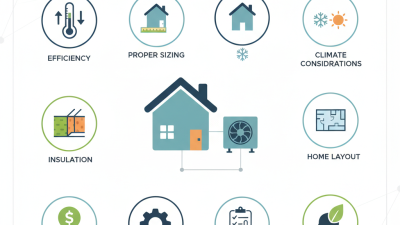
When selecting a ductless heat pump, consider your home’s size and insulation. It’s important to calculate your heating and cooling needs accurately. An undersized unit may struggle to maintain comfort levels, while an oversized unit could lead to increased energy costs.
Reflect on your lifestyle and preferences. If you have specific temperature preferences in different areas, ductless systems can cater to that. Regular maintenance is crucial for efficiency; neglect can lead to reduced performance. Staying informed about energy savings and system advancements is also beneficial.
Key Factors to Consider When Choosing a Ductless Heat Pump
When selecting a ductless heat pump system, several key factors can significantly affect your decision. Consider energy efficiency ratings, which are critical to minimizing energy costs. According to the U.S. Department of Energy, systems with higher Seasonal Energy Efficiency Ratios (SEER) and Heating Seasonal Performance Factors (HSPF) can save households about 30%-40% on their heating and cooling bills compared to less efficient models.
Another essential aspect is the sizing of the unit. An improperly sized system can result in energy waste. The Air Conditioning Contractors of America (ACCA) suggests using Manual J calculations to determine the correct tonnage for your space. This step is often overlooked, leading to poor performance and excess wear on components.
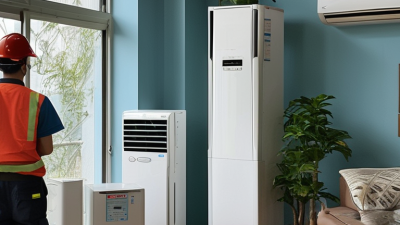
Installation quality also plays a significant role. A poorly installed unit can underperform and lead to higher energy bills. Engaging a qualified technician ensures that the system is set up correctly. Many professionals emphasize the importance of proper refrigerant charging and airflow adjustments. By paying attention to these details, homeowners can avoid common pitfalls and ensure reliable performance over time.
Evaluating Energy Efficiency Ratings for Optimal Performance
When choosing a ductless heat pump system, energy efficiency is key. Understanding energy efficiency ratings can significantly impact your long-term costs and comfort. Look for systems with high SEER and HSPF ratings. These ratings gauge cooling and heating performance, respectively. A higher rating means better efficiency, which translates to lower utility bills.
Installing the right system is crucial. Different homes have distinct heating and cooling needs. A smaller home may not require as powerful a unit as a larger space. Consider the size of rooms, insulation quality, and local climate when selecting your heat pump. These factors will influence the system's efficiency.
Regular maintenance is important for optimal performance. Clean or replace filters monthly. Schedule professional inspections yearly to ensure everything runs smoothly. This not only keeps the system efficient but also prolongs its lifespan. Energy efficiency is not just about the initial choice. It involves ongoing care and adjustments to maximize its benefits.
Assessing Installation and Maintenance Requirements
When selecting a ductless heat pump system, installation and maintenance requirements are crucial. Understanding these factors can impact your long-term satisfaction and energy efficiency. Studies show that improper installation can reduce system efficiency by up to 30%. It's essential to hire trained professionals to ensure proper placement and proper refrigerant levels.
Maintenance is another vital aspect of ductless systems. Regular cleaning of the filters can enhance airflow and maintain comfort levels. According to the U.S. Department of Energy, a well-maintained heat pump can last up to 15 years. Neglecting maintenance can lead to higher utility bills and reduced lifespan. Moreover, users often overlook the importance of scheduling annual professional check-ups, which can identify potential issues before they escalate.
Homeowners should also consider their local climate. In areas with extreme temperatures, the type of installation will differ from milder climates. Reflecting on your specific needs ensures the best performance. Evaluating the installation complexity and maintenance commitment is essential for achieving energy efficiency and comfort throughout the seasons.
Comparing Costs and Budget Considerations for Ductless Systems
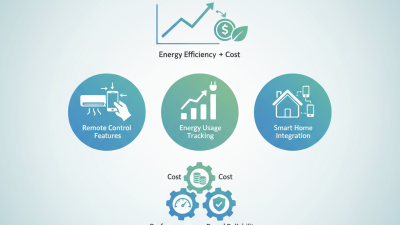
When considering a ductless heat pump system, costs can vary significantly. Installation expenses often range from $3,000 to $6,000 per unit, depending on the complexity of the setup. According to the Department of Energy, homeowners can save up to 30% on energy bills with these systems. This statistic highlights the potential for long-term savings, but initial investment remains a critical factor.
Budget considerations also encompass maintenance costs, which typically range from $150 to $500 annually. Regular upkeep maximizes efficiency and extends the system's lifespan. It's essential to factor this into your decision. Some reports indicate that neglecting maintenance can decrease efficiency by 5% annually. If you don't address these issues, you may face higher long-term costs.
Financing options can help manage these expenses. Many contractors offer payment plans or financing to ease the upfront burden. It's wise to explore these alternatives. A thorough analysis of your specific needs can lead to more informed choices, reducing guesswork. Collecting multiple quotes is also beneficial, as it ensures you find the best fit for your budget and requirements.
Comparing Costs and Efficiency of Ductless Heat Pump Systems