What Is a Home AC Tune Up and Why Does It Matter?
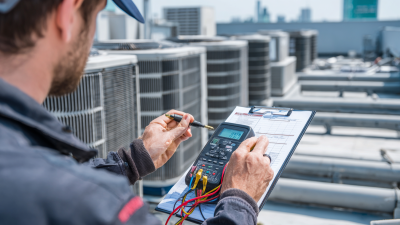
A home ac tune up is a professional inspection and adjustment of your air conditioning system. It usually happens before the cooling season begins. A trained HVAC technician checks airflow, electrical connections, filters, coils, drain lines, and refrigerant-related performance. They may also measure temperature differences between supply and return vents. These readings reveal problems that may remain invisible during a quick thermostat test.
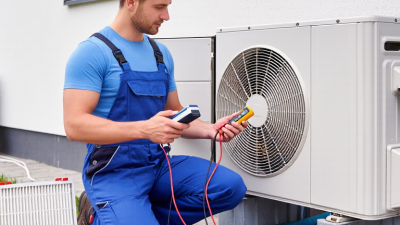
Picture a technician opening the outdoor cabinet on a warm spring morning. Dust covers the condenser coil, one wire terminal feels loose, and water sits near the drain pan. Each detail matters. Cleaning the coil can improve heat transfer. Tightening approved electrical connections can support safer operation. Clearing a restricted drain may help prevent indoor water damage. Technicians should follow manufacturer instructions and local requirements, not rely on guesswork.
A home ac tune up may improve comfort, efficiency, and equipment reliability, but it is not a guarantee against breakdowns. Older systems can still fail unexpectedly. Some contractors also recommend unnecessary repairs, so homeowners should request written findings, measured results, and clear pricing. Ask whether the work includes a system performance report and which parts require immediate attention. My view is simple: preventive service is useful when evidence supports it. A clean filter and steady airflow may solve a minor issue, while unusual noises, weak cooling, or repeated cycling deserve professional evaluation. The appointment takes time, but ignoring small warning signs can cost more later.
What a Home AC Tune-Up Covers: Core HVAC Inspection and Service Steps
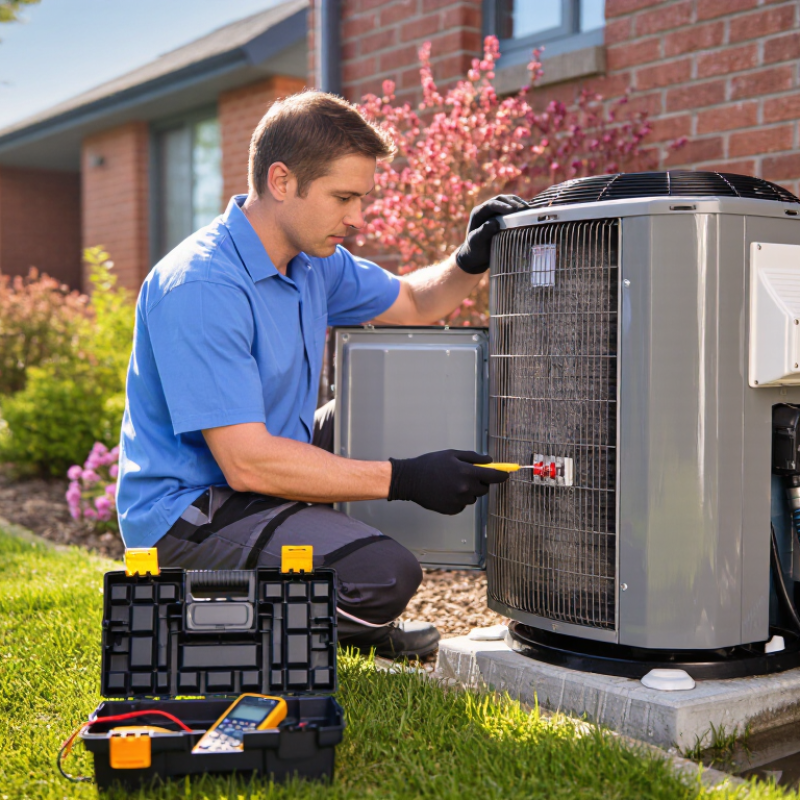
A home AC tune-up is a hands-on inspection before heavy cooling begins. The technician checks the thermostat, air filter, blower, evaporator coil, condenser coil, and condensate drain. They also inspect wiring, capacitors, contactors, and safety controls. Small electrical defects can create bigger problems during a hot afternoon.
Airflow testing matters. The technician measures supply and return temperatures, checks duct restrictions, and compares system performance with manufacturer specifications. Refrigerant pressure and connections receive careful attention. Refrigerant should not be added automatically; low levels may indicate a leak. Only qualified professionals should handle refrigerants and sealed-system repairs.
The U.S. Department of Energy reports that air conditioning uses about 6% of U.S. electricity and costs households roughly $29 billion annually. The Energy Information Administration’s Residential Energy Consumption Survey also shows air conditioning is used in most U.S. homes. That makes preventive service more than a comfort upgrade. It can support stable airflow and reduce avoidable strain, although no tune-up guarantees lower bills. That assumption needs checking.
A practical visit should leave records. The technician should document measured temperatures, electrical readings, filter condition, coil cleanliness, and recommended repairs. Homeowners can help by replacing dirty filters and keeping outdoor units clear of leaves. It is not glamorous work. It often prevents an inconvenient failure.
When to Schedule Service: ENERGY STAR’s Annual Preseason Recommendation
A home AC tune-up is a professional inspection and adjustment performed before heavy cooling begins. ENERGY STAR recommends scheduling this service annually, before the preseason demand arrives. That timing gives a technician space to find small problems before they become expensive repairs.
The visit usually includes checking refrigerant levels, electrical connections, airflow, filters, coils, and thermostat operation. The technician may also clean debris from outdoor components and test the system under load. A weak capacitor can cause hard starts. A blocked filter can reduce comfort and increase energy use. These details are easy to overlook.
Preseason scheduling matters because repair calendars fill quickly during the first hot weeks. An early appointment may also reveal aging parts that need monitoring, not immediate replacement. Still, a tune-up is not a guarantee of perfect performance. I have seen clean systems struggle because insulation was poor or ductwork leaked. That is why homeowners should share unusual sounds, uneven room temperatures, and rising utility bills with the technician. Keep the service record, too. It can show patterns that a single visit cannot.
Efficiency Evidence: DOE Reports 5–15% Savings from Clean Filters
What Is a Home AC Tune Up and Why Does It Matter?
A home AC tune-up is a trained technician’s inspection of the system before heavy cooling begins. The visit usually includes checking airflow, electrical connections, thermostat accuracy, condensate drainage, coils, and refrigerant performance. These details affect comfort and operating costs. A clogged filter can make the blower work harder and keep rooms unevenly cool. Small detail. Big effect.
The U.S. Department of Energy reports that replacing dirty, clogged filters can reduce an air conditioner’s energy use by 5–15%. That estimate is useful, but it is not a promise for every home. Savings depend on filter condition, duct leakage, equipment age, and local weather. The DOE also explains that restricted airflow can reduce system efficiency and damage equipment over time. In practice, I have seen a dusty filter create weak airflow within a single cooling season. Still, a filter alone cannot fix a failing compressor or leaking ductwork.
Tips: Check the filter monthly during active cooling. Hold it near a bright window; heavy gray dust means replacement may be overdue. Ask the technician to record supply-air temperature, airflow concerns, and refrigerant readings. Keep that record for comparison next year. The U.S. Environmental Protection Agency also recommends following the equipment manual and maintaining filters regularly. Do not select a filter solely by its highest rating; an overly restrictive filter may reduce airflow in some systems.
Refrigerant and Electrical Checks: Key Reliability and Safety Measures
A home AC tune-up is more than cleaning a filter and wiping the outdoor cabinet. Refrigerant and electrical checks often reveal problems before they become expensive failures. An experienced technician measures system pressure, supply-air temperature, and return-air temperature. These readings help identify low refrigerant, airflow restrictions, or a developing leak. Guesswork is not enough.
It is easy to miss.
Low refrigerant may cause weak cooling, frost on the coil, or longer running cycles. A technician should inspect accessible tubing and connections for oil marks or damage. Refrigerant should never be added without finding the cause of the loss. Electrical safety deserves equal attention. Loose terminals, scorched wires, weak capacitors, and unstable voltage can damage the compressor or create serious hazards. The service disconnect and grounding should also be checked carefully. I have seen a unit run quietly while its capacitor was already failing. The noise was normal; the electrical readings were not. A reliable tune-up includes measured results, noted concerns, and clear explanations based on the equipment’s specifications. Some inspections are limited by sealed panels or poor access, and that uncertainty should be stated honestly. Homeowners can help by reporting unusual odors, repeated short cycles, or breakers that trip unexpectedly. Those details may guide a safer, more accurate inspection.
What Is a Home AC Tune-Up and Why Does It Matter?
A tune-up combines routine cleaning, airflow checks, refrigerant-system inspection, and electrical testing. The schedule below reflects common residential HVAC maintenance guidance; actual timing depends on equipment condition, climate, and manufacturer requirements.
Replace or inspect air filters every 1–3 months, while professional refrigerant and electrical checks are commonly performed at least annually. Refrigerant readings must be evaluated against the equipment’s specifications, and electrical components should be tested by a qualified technician because incorrect voltage, loose connections, and failing capacitors can create reliability and safety risks.
Choosing a Technician: EPA Section 608 Certification and Service Records
A home AC tune-up usually includes checking airflow, cleaning accessible components, and testing system controls. Choosing the right technician matters just as much. In the United States, EPA Section 608 certification is required for technicians who handle regulated refrigerants. Ask whether the person doing that work holds the appropriate certification. A tune-up is not a guarantee against breakdowns, but careful service can catch issues such as a clogged filter or loose electrical connection before they grow.
Tips: Request the technician’s certification details and a written service record. It should note the visit date, work performed, measurements taken, and any recommended repairs. Keep the record with your system’s model and installation information. If a recommendation seems urgent or costly, ask what evidence supports it. A clear explanation should refer to observable findings, not pressure you to decide on the spot.
Records help you compare changes over time, though they are only useful when details are specific. “Checked system” tells you very little. A note about a dirty coil, unusual temperature difference, or airflow concern is more useful. I’d also ask what was not inspected; service visits can vary, and access or time may limit the work.