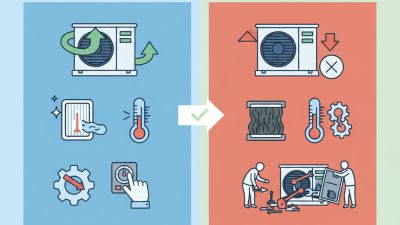
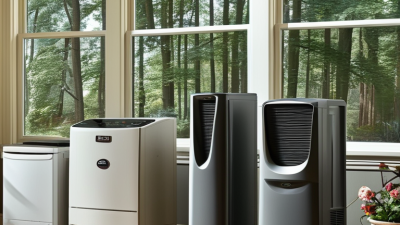
An HVAC system quietly shapes daily comfort, from cool bedrooms on humid afternoons to steady warmth during cold mornings. When airflow weakens or rooms feel uneven, the cause may be simple, but guessing can waste time. Regular hvac system maintenance helps keep equipment cleaner, identify developing problems, and support reliable operation. It also gives homeowners a clearer sense of when a task is safe to handle and when a trained technician should inspect the system.
Small details matter. A clogged filter can restrict airflow, while leaves crowding an outdoor unit may limit ventilation. Check the filter according to the manufacturer’s instructions, keep the area around the outdoor equipment clear, and watch for unusual noises, odors, or water near the indoor unit. These observations do not replace professional service. They can, however, help you describe a problem accurately. Easy to overlook.
Maintenance needs vary with equipment, household conditions, and local climate, so one schedule will not fit every home. Follow the system’s manual, and ask a qualified HVAC professional about inspection intervals, cleaning, and components that require specialized care. Never ignore a persistent change just because the system still runs. That assumption can be costly. This guide explains practical upkeep, warning signs, and sensible service choices, while recognizing that some advice may need adjustment for your specific equipment. A little uncertainty is useful; it encourages checking the manual instead of relying on a guess.
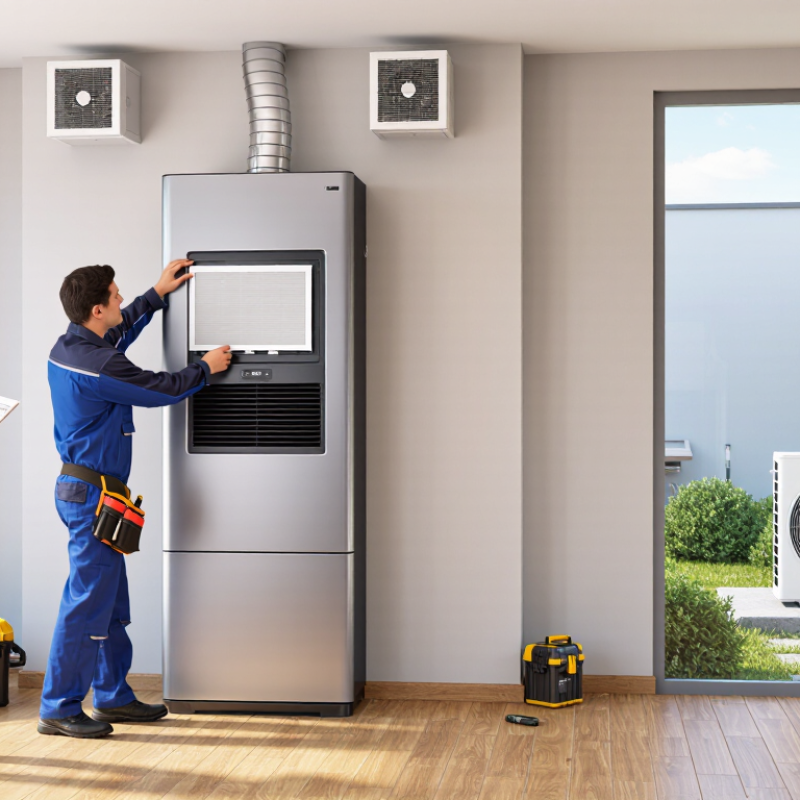
An HVAC system moves heated or cooled air through several connected components. The thermostat sends temperature requests to the equipment. Inside, the air handler or furnace contains a blower that pushes air through ductwork. A replaceable filter catches dust before it reaches the blower and indoor coil. Outdoors, a condenser or heat pump releases or collects heat. Knowing these parts makes unusual sounds, weak airflow, or a clogged filter easier to describe to a technician.
Safety comes before inspection. Turn the system off at its thermostat and electrical disconnect before changing a filter or cleaning around equipment. Keep hands and tools away from fan blades, wiring, and refrigerant lines. Do not open electrical panels or remove service covers; capacitors may retain a charge even after shutdown. Stop if you notice burning odors, damaged wires, or water near electrical parts, and contact a qualified HVAC professional. A quick look can help, but it cannot confirm every fault.
Tips: Check the filter monthly and replace it when visibly dirty, following its airflow arrow. Keep leaves and stored items clear of outdoor equipment, but do not spray water into openings. Note the date and any change in noise or airflow. Maintenance reminders are useful; still, I sometimes forget to record what I checked, so a simple note by the thermostat can help.
Air filters protect HVAC equipment by catching dust, lint, and other airborne particles before they reach internal components. A clogged filter can restrict airflow, make rooms feel uneven, and cause the system to work harder. Check the filter about once a month, especially during heavy heating or cooling seasons. Replace it according to its condition and the manufacturer’s guidance; some homes need more frequent changes because of pets, renovation dust, or frequent use. It is easy to assume every filter lasts the same amount of time. It doesn’t.
Tips: Switch off the system before changing the filter. Check its size and airflow arrow, then fit it snugly without bending the frame. Write the replacement date on the filter edge.
A quick visual check can reveal gray buildup, trapped hair, or a surface that is difficult to see through. These signs suggest it may be time to replace the filter, even if the calendar says otherwise. Use the filter type and rating recommended for your equipment. A filter that seems more efficient is not always a better fit if it reduces airflow. If the filter becomes dirty unusually fast, look for nearby dust sources or ask a qualified HVAC technician to inspect the system. One check may miss something. That is worth remembering.
Dust on return grilles and supply vents can restrict airflow and spread particles through the home. Wipe grille surfaces with a damp cloth, then vacuum reachable vent openings gently. Avoid pushing debris deeper into the ductwork. The U.S. Department of Energy’s Energy Saver guidance reports that replacing a dirty, clogged air-conditioner filter with a clean one can reduce energy use by 5% to 15%. Vents are not filters, but keeping both clean supports unobstructed airflow. Small steps matter.
Tips: Turn the system off before cleaning. Clear leaves, grass clippings, and lint from around the outdoor unit, following the clearance in its manual. Rinse accessible coil surfaces gently with a garden hose; never use a pressure washer, which can bend delicate fins. Keep water away from electrical panels. If the coil is heavily soiled or fins are damaged, arrange professional service.
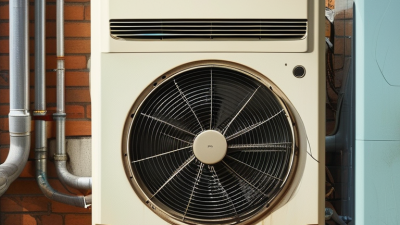
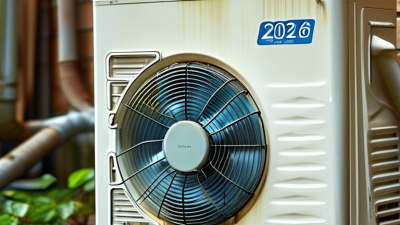
The shaded side of the outdoor unit is easy to forget. Check it after mowing and after windy weather, when leaves can collect against the cabinet. Do not stack tools or planters nearby. For indoor coils, avoid removing access panels unless you are trained to do so. A careful visual check can catch buildup, though it cannot reveal every airflow problem.
A clear condensate drain helps prevent water from backing up near the indoor unit. Check the visible drain outlet during cooling season; steady dripping outside is usually normal. Standing water, a musty smell, or dampness around the unit deserves attention. If the pan is full, turn the system off and contact a qualified technician rather than reaching into equipment or forcing a blockage clear. Small leaks can become expensive before they look dramatic.
Thermostat settings work best when they match how the home is used. Keep the device away from direct sunlight, supply vents, and heat-producing appliances, which can skew its reading. Check the batteries if the display fades or the system stops responding. Large, frequent setting changes may not cool a room faster. A modest schedule is often easier to maintain, though household routines rarely follow a perfect schedule.
Airflow depends on more than the thermostat. Inspect the air filter regularly and replace it according to its instructions; a visibly loaded filter may need attention sooner. Keep supply registers open and clear of rugs, curtains, and furniture. Listen for new whistling or unusually weak airflow. Those clues can point to a dirty filter, blocked return, or another issue that needs professional diagnosis. A monthly reminder sounds simple. Busy homes still miss it.
| Maintenance Area | Suggested Frequency | What to Check | Good Condition | Action if There Is a Problem |
|---|---|---|---|---|
| Air filter | Check monthly; replace as needed | Look for visible dust buildup or a clogged filter. Follow the filter and system instructions for replacement intervals. | The filter is clean enough to allow air to pass through freely and is installed in the correct direction. | Replace a dirty filter with the correct size and type. A clogged filter can restrict airflow. |
| Condensate drain line | Inspect during the cooling season; frequency depends on system use and conditions | Check for standing water, a visible blockage, leaks, or water around the indoor unit. | Water drains away without overflowing or leaking around the equipment. | If the drain appears blocked or water is leaking, switch off the system if necessary to prevent water damage and contact a qualified technician. |
| Thermostat settings | Check when seasons change and whenever comfort or scheduling needs change | Confirm the selected mode, set temperature, schedule, and batteries if the thermostat uses them. | The mode matches the season, the schedule reflects occupancy, and the system responds to adjustments. | Correct the mode or schedule. If the display is blank or the system does not respond, check the thermostat instructions and arrange service if needed. |
| Supply and return vents | Check monthly and after rearranging furniture | Make sure vents and return-air grilles are not blocked by rugs, furniture, curtains, or stored items. | Air can move freely through the open vents and return grilles. | Remove obstructions. Avoid closing multiple vents, as this can affect system airflow. |
| Indoor and outdoor equipment | Visual check every few months; keep the area clear year-round | Look for unusual noise, visible damage, or debris restricting airflow around the outdoor unit. | The equipment is unobstructed and operates without unusual sounds or visible leaks. | Clear loose debris around the unit without opening equipment panels. Ask a qualified technician to investigate damage or abnormal operation. |
| Professional system inspection | At least annually, with timing adjusted to the equipment and usage | Have a qualified technician inspect system operation, electrical components, coils, drain components, and airflow. | The system operates safely and according to its specifications, with maintenance needs identified. | Follow the technician’s recommendations and address safety issues or performance problems promptly. |
Note: Maintenance intervals vary with equipment, household conditions, and manufacturer instructions. Turn off power before any task that requires access to equipment panels; leave electrical and internal repairs to a qualified technician.
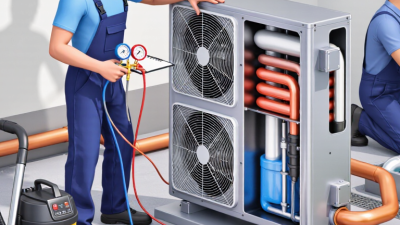
Schedule a professional HVAC inspection before the heavy-use season, not after the system starts struggling. Before summer, a technician can check cooling performance, electrical connections, condensate drainage, and refrigerant-related concerns. Before winter, ask for a heating-system check, including burners or heat-pump operation, safety controls, and airflow. The exact tasks depend on your equipment. Ask the technician to explain any recommended repair and show you the relevant finding, such as a clogged drain line or a worn belt. Keep the service record; dates and measured readings can make changes easier to spot next time.
Seasonal service works best alongside simple checks at home. Replace or clean filters as directed for your system, and keep supply vents clear of rugs or furniture. A filter packed with gray dust can restrict airflow, but a new filter will not fix every cause of weak heating or cooling. That distinction is easy to miss. I used to assume a seasonal visit meant every part had been checked; it is worth asking what was inspected and what was not. If you notice burning smells, repeated shutdowns, unusual rattling, or water near the indoor unit, contact a qualified professional rather than waiting for the next appointment. Service intervals vary with equipment, household use, and local conditions.