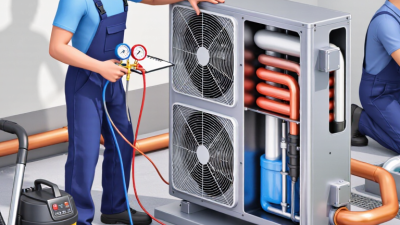
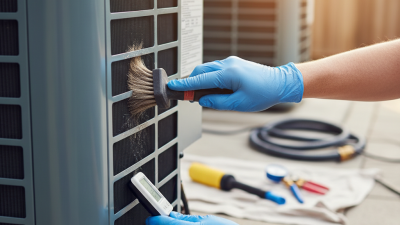
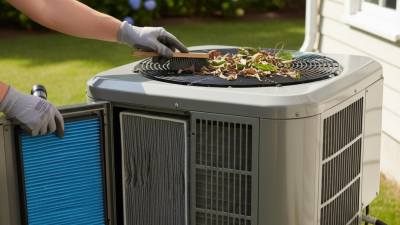
China’s vast air-conditioning market makes reliable maintenance more than a seasonal convenience. The National Bureau of Statistics of China reported 244.87 million air conditioners produced in 2023. That figure measures production, not installed units, but it signals the scale of the equipment needing care. A home ac tune up can help identify blocked filters, dirty coils, loose electrical connections, and weak airflow before peak summer heat arrives.
The U.S. Department of Energy says replacing a dirty filter with a clean one can reduce an air conditioner’s energy use by 5% to 15%. Actual savings vary with the system and its condition. HVAC educator Bryan Orr’s practical maintenance message is to check airflow and system performance before assuming a costly fault. That is sound advice, though a short visit cannot guarantee lower bills or prevent every breakdown. Small details matter. A technician should inspect the equipment, explain findings, and distinguish urgent repairs from optional work.
This guide introduces ten companies serving China’s home AC tune-up market. It considers service coverage, technician qualifications, inspection scope, pricing clarity, and customer support. Company claims alone are not proof of quality. Ask what the visit includes, whether parts cost extra, and how follow-up work is handled. The comparison is a starting point, not a substitute for checking local credentials and recent customer feedback. A clean filter helps; a careful diagnosis matters more.
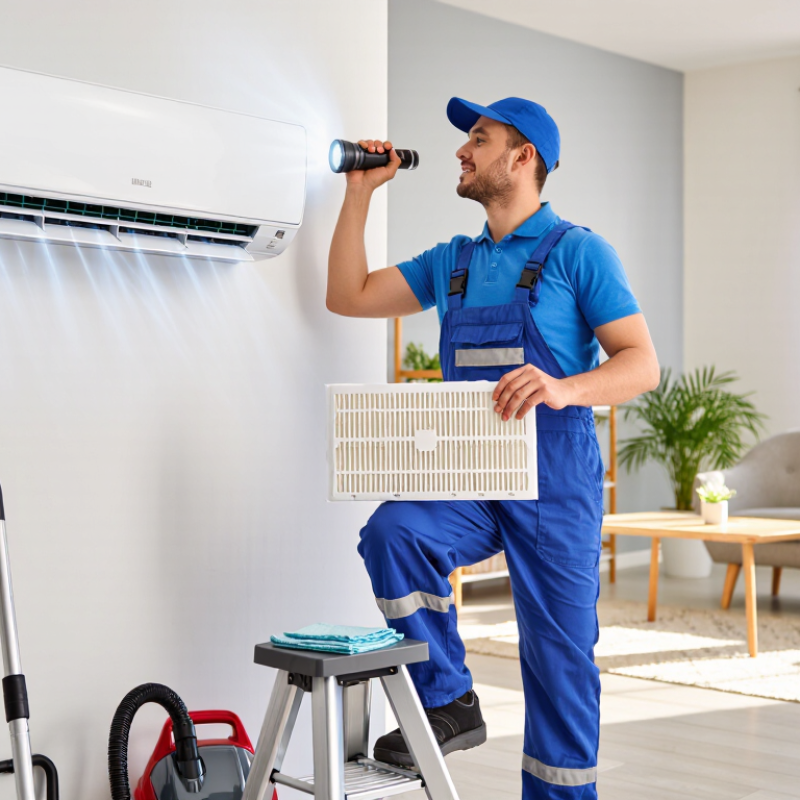
Understanding home AC tune-up services in China starts with the home’s climate and usage. Coastal humidity can encourage drain blockage, while dust in busy urban areas may quickly load filters. A careful visit usually includes checking airflow, cleaning accessible components, inspecting the condensate drain, and testing thermostat response. The technician may also check electrical connections and look for signs of refrigerant trouble. Small details matter.
Tips: Ask what the service includes before booking. Request a written explanation of any extra repair and its cost. Keep the outdoor unit clear of leaves, and note unusual smells, rattles, or weak airflow before the visit. These observations help the technician investigate specific symptoms instead of relying only on a standard checklist.
A tune-up is preventive care, not a guarantee that an older system will avoid breakdowns. Results depend on the unit’s condition, maintenance history, and how thoroughly the work is performed. Ask the technician to explain findings in plain language and show you dirty filters or blocked drains when practical. If a recommendation feels unclear, pause and seek a second assessment. Even a routine visit can miss an intermittent fault, so monitor cooling after service and record any recurring problems.
Ranking China’s leading AC tune-up companies requires more than comparing advertised prices. The International Energy Agency’s 2018 report, The Future of Cooling, estimates that cooling uses about 10% of global electricity. That makes energy performance a useful ranking measure, but not a guarantee of savings. Scores should consider technician training, documented inspection procedures, and whether reports include actual readings, such as supply-air temperature and refrigerant pressure.
Service quality matters in the field. A strong provider checks filters, coils, drainage, electrical connections, and airflow, then explains any recommended work before charging for it. Rankings should also weigh transparent call-out fees, appointment availability, follow-up support, and independently verifiable customer feedback. Give more credit to measured results than broad promises. One limitation: public reviews can be uneven, and a tidy scoring table may miss the quality of a technician’s work inside a home.
Tips: Ask for a written checklist and before-and-after readings. Keep the invoice. Compare similar visits, not just the lowest quote. A short visit is not automatically a poor one, but skipped measurements deserve a question.
China’s home AC tune-up market includes providers with different strengths. These ten anonymous profiles are illustrative, not an audited ranking of named firms. A northern-city operator may focus on seasonal checks, measuring airflow before summer starts. A coastal service team might prioritize coil cleaning, where damp weather can encourage residue buildup. A large-city provider could offer scheduled visits and written inspection records. Useful records show what was checked, not just that a visit occurred. A smaller local crew may stand out for flexible appointments and clear explanations. Details matter.
Another profile is a technician-led company that checks filters, drain lines, electrical connections, and temperature differences. A maintenance-focused provider may explain which issues need attention now and which can wait. A residential specialist could handle split systems in compact apartments, where access to indoor units is limited. A rural service firm may cover wider areas but require longer booking windows. An energy-conscious operator might discuss airflow and thermostat settings without promising fixed savings. The final profile is a customer-service-focused team that provides itemized estimates before repairs. Ask whether inspection findings are documented, whether fees are explained in advance, and whether the technician checks the unit after cleaning. Standards vary, and a tidy visit alone does not prove good maintenance.
China’s home air-conditioning service market is substantial. The International Energy Agency’s 2018 report, The Future of Cooling, estimated that China had about 570 million air conditioners in use in 2016. For a top-ten service comparison, coverage should mean more than city names on a map. Check whether technicians reach your district, how soon they can visit, and whether evening appointments are available. Coverage is not just a map.
Pricing comparisons need equal care. Ask whether the quoted visit fee includes inspection, filter cleaning, drain clearing, and basic performance checks. Refrigerant, replacement parts, and difficult-access work may cost extra. Request an itemized estimate before approving repairs, then compare the same tasks across providers. Public price lists are inconsistent, so a precise nationwide price ranking would be misleading. Ask for proof: a dated work order and a written record of findings.
Maintenance options also differ. A one-time tune-up suits an immediate problem, while scheduled visits can help households track recurring faults and seasonal performance. Useful checks include airflow, unusual vibration, water leaks, and the outdoor unit’s clearance. Keep the service record; it makes repeat issues easier to explain. Yet maintenance plans are not automatically better value. Review visit limits, excluded parts, cancellation terms, and response times, and compare them with how often your household actually needs service.
Typical estimated consumer price ranges by service type (CNY). This service-level comparison is not a ranking of named companies; actual prices vary by city, unit type, and service scope.
Basic cleaning generally covers accessible filters and surfaces; deep cleaning may include additional internal components. Refrigerant service is diagnostic and equipment-dependent, so confirm what is included in any quote.
Choosing a home AC tune-up provider takes more than comparing prices. Ask what the visit includes: checking filters, cleaning accessible coils, inspecting drainage, and testing airflow. A technician should explain findings in plain language and request approval before adding work. Details matter. Check recent customer feedback, business credentials, and whether the provider gives a written service record. A uniform or polished website alone proves little.
Tips: Request an itemized quote and confirm any call-out fee before booking. Ask whether the technician will inspect both the indoor and outdoor units. Keep the service notes; they help you compare future performance. If a company promises a guaranteed energy-bill reduction, ask how it measures that claim.
A thorough tune-up should leave you with clear observations, not pressure to replace equipment immediately. Listen for practical specifics, such as restricted airflow or a partially blocked drain line. No checklist catches everything, and a basic service may not resolve a deeper fault. That can be frustrating, but a reliable provider should say when further diagnosis is needed and explain the cost before proceeding.