China Top 10 Ductless Heat Pump Manufacturers 2026
China’s ductless heat pump sector includes established appliance groups, export-focused factories, and specialist HVAC brands. In 2026, buyers need more than a polished catalog or a low quoted price. A useful comparison considers product range, inverter control, published efficiency data, operating-temperature limits, noise levels, installation guidance, and replacement-part availability. Details matter. A wall-mounted unit in a compact apartment has different demands from a multi-zone system serving several rooms. Factory scale can indicate production capacity, but it does not prove consistent quality or responsive support. That distinction is easy to miss.
This guide to China’s top 10 ductless heat pump manufacturers in 2026 offers a starting point for importers, distributors, contractors, and project planners. It looks at each company’s technical documentation, product applications, manufacturing capabilities, and after-sales resources. When public information is limited, verify specifications directly and request current test reports, warranty terms, and service details for your destination market. No ranking replaces an equipment assessment. Model availability, performance, and support can vary by region and product series. Even a strong manufacturer may not suit every project. Compare the exact model, not just the brand name; that is where better decisions begin.
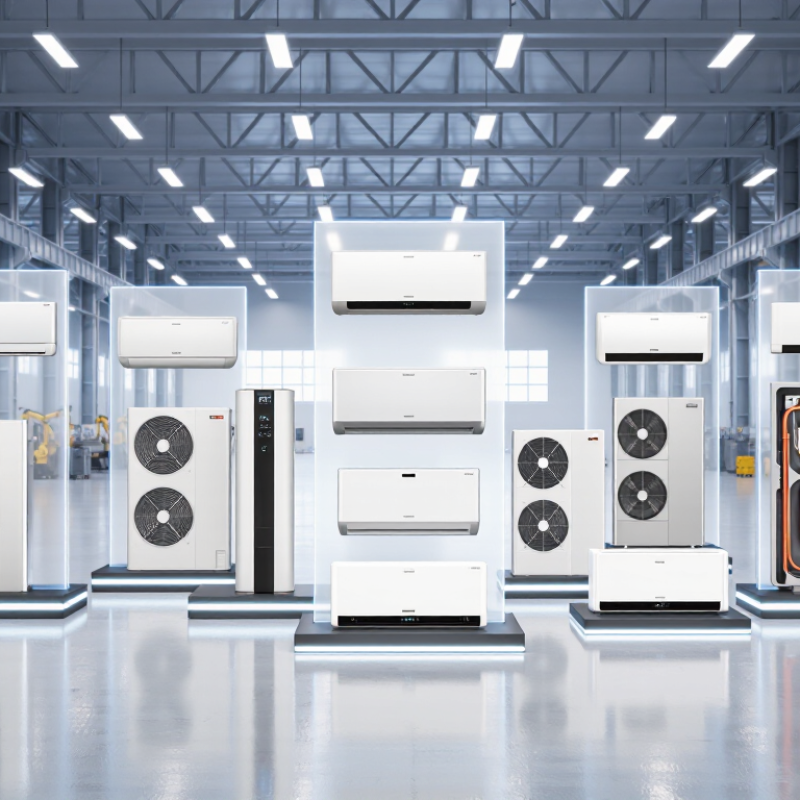
What Ductless Heat Pumps Are and How They Work
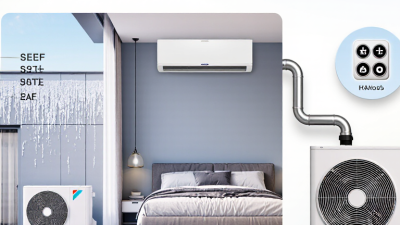
A ductless heat pump moves heat rather than creating it through combustion. Its outdoor unit absorbs heat from outside air, even on chilly days, and a refrigerant carries that energy indoors. An indoor head then releases the heat into the room. In summer, a reversing valve changes the refrigerant’s direction, moving indoor heat outside. No ducts are needed. Small refrigerant lines connect the indoor and outdoor units through a wall opening, while a fan circulates room air. The U.S. Department of Energy says heat pumps can use about 50% less electricity for heating than electric-resistance systems. Actual performance depends on climate, installation, and the home’s insulation.
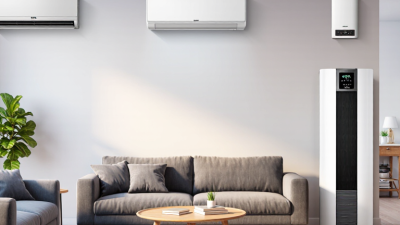
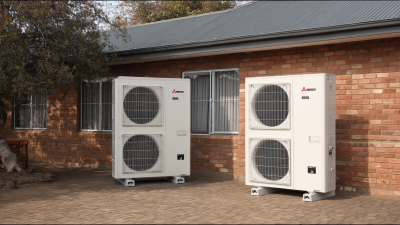
A ductless system can have one indoor head or several, each serving a separate zone. That makes room-by-room temperature control possible, though poor placement can leave corners unevenly warm. During cold weather, output may fall, and the unit may briefly pause to defrost its outdoor coil. The International Energy Agency’s 2022 report, The Future of Heat Pumps, estimates these systems could provide at least 20% of global heating needs by 2030 under announced government pledges, compared with about 10% today. Those figures describe a global scenario, not a guarantee for each home. Correct sizing matters. Too large can mean short, inefficient cycles; too small may struggle on the coldest nights. Sizing is not always straightforward.
China’s Ductless Heat Pump Manufacturing Landscape in 2026
China’s ductless heat pump manufacturing landscape in 2026 is built on deep HVAC supply chains. Compressors, copper tubing, inverter controls, and formed metal parts can often be sourced within the same industrial regions. This supports flexible production, but it does not guarantee consistent performance. That matters.
Manufacturers are refining low-temperature heating, defrost control, and quieter indoor units. These details show up in real homes: a frosted outdoor coil, a narrow balcony, or a bedroom where fan noise carries at night. The IEA’s 2022 report, The Future of Heat Pumps, estimates that heat pumps could reduce annual global CO2 emissions by at least 500 million tonnes by 2030. The figure reflects wider deployment, not China alone.
For buyers and importers, the useful comparison is not just rated capacity. Check seasonal efficiency, heating output at low outdoor temperatures, sound data, and spare-parts availability. IEA analysis also points to supply-chain concentration as a clean-energy manufacturing risk. A less comfortable point: published test figures cannot fully capture installation quality or local service.
The gap can be real. A capable factory still needs clear documentation and feedback from field technicians to improve the next production run.
How to Evaluate China’s Leading Ductless Heat Pump Manufacturers
Evaluating China’s leading ductless heat pump manufacturers requires evidence beyond catalog ratings.
Compare heating capacity, seasonal efficiency, and operating limits at low outdoor temperatures. Ask for independent test reports and confirm that test conditions match your intended climate. Check defrost behavior, sound levels, control options, and whether replacement parts are readily available.
A brochure can look convincing. It is not proof.
The International Energy Agency’s 2022 report, The Future of Heat Pumps, says global heat pump sales grew nearly 15% in 2021, about twice the previous decade’s average. That growth raises the stakes for careful supplier checks, but it does not verify any individual factory. Review production quality records, warranty terms, and references from installations with similar weather conditions. If possible, inspect a running unit and note vibration, airflow, and outdoor-unit icing. I would also question unusually strong performance claims; published data may not reflect real homes. No single metric settles the decision.
A clear, traceable test record is a better starting point than a polished sales pitch.
Profiles of 10 Major Chinese Ductless Heat Pump Manufacturers
China’s ductless heat pump sector spans high-volume OEM producers, inverter-focused factories, and export-oriented assemblers. These ten profiles compare manufacturers by product focus, engineering capability, and production strengths, rather than by brand recognition. The distinctions matter.
Some profiles emphasize compact wall-mounted systems for apartments. Others focus on multi-zone equipment, where installers need to connect several indoor units to one outdoor unit. Further profiles cover cold-weather performance, integrated controls, component manufacturing, and private-label production. These are useful comparison points, not guarantees of performance. Buyers should verify published capacity, sound levels, operating temperatures, and local service arrangements.
The International Energy Agency’s The Future of Heat Pumps reported that global heat pump sales grew by 15% in 2021. That figure signals market momentum, but it does not establish the quality of any individual supplier. A factory visit or technical audit can reveal practical details: coil-fin consistency, refrigerant-line protection, and end-of-line testing. Sometimes, the smallest details tell the real story. Product data and export experience also deserve scrutiny; public information can be incomplete, and this overview should not replace independent checks.
Comparing Products, Certifications, and After-Sales Support
A useful comparison of China’s ductless heat pump manufacturers starts with the equipment itself. Check heating capacity at low outdoor temperatures, not only the headline rating. Ask for operating ranges, noise data, and performance tables for the exact indoor and outdoor units. A quiet showroom model proves little. Small details matter.
Certifications deserve careful checking. Confirm that documents match the model numbers being quoted, and verify whether they apply to your destination market. Product safety and energy requirements vary by market, so a general certificate may not answer every purchasing question. Request recent test reports, clear warranty terms, and details about factory quality controls. Paperwork can look tidy. The model code still matters.
After-sales support can shape the real cost of ownership. Ask how quickly technical staff respond, which parts are stocked locally, and whether installers can access service manuals and diagnostic tools. A written response-time target is more useful than a broad promise of support. Clarify who handles a warranty claim and what evidence is required. In practice, delays sometimes happen, even with capable suppliers. That possibility should be discussed before an order is placed. Compare support arrangements in writing, alongside product specifications and certification records.