How to Choose the Right HVAC Maintenance Services?

Choosing the right HVAC maintenance service begins with evidence, not a polished sales promise. The International Energy Agency’s Buildings 2023 report states that buildings consume about 30% of global energy. Heating, cooling, and ventilation form a significant share of that demand. Poor maintenance can turn a clean filter, loose belt, or weak capacitor into higher costs and uncomfortable rooms.

A practical provider should inspect airflow, refrigerant performance, electrical connections, condensate drainage, controls, and safety components. Ask for measured readings, not vague claims. ENERGY STAR recommends regular filter replacement and professional system checks to protect efficiency and equipment life. The U.S. Department of Energy also emphasizes that routine maintenance supports reliable HVAC operation and can prevent avoidable repairs. Results vary by climate, equipment age, building use, and installation quality. That matters.

HVAC educator and contractor Matt Akins explains, “A maintenance plan should be based on the equipment, the building, and the occupants.” This principle is easy to overlook. A small office does not need the same schedule as a crowded restaurant or medical facility. Request a written checklist, technician credentials, emergency response terms, and clear pricing. Confirm whether the agreement includes seasonal visits, documentation, and replacement recommendations.

Cheap service is not always economical. Neither is the most expensive contract. Look for consistent records, transparent measurements, and technicians who explain findings beside the rooftop unit or indoor coil. The right HVAC maintenance partner should reduce uncertainty, not merely sell inspections. An honest evaluation may reveal that your current plan needs revision. That is useful information.

How to Choose the Right HVAC Maintenance Services?

Measure HVAC Needs Against DOE’s 48% Home Energy-Use Benchmark

How to Choose the Right HVAC Maintenance Services?

Measure HVAC Needs Against DOE’s 48% Home Energy-Use Benchmark

The U.S. Department of Energy reports that heating and cooling can represent about 48% of household energy use. Use this figure as a warning sign, not a diagnosis. Compare twelve months of utility bills, indoor temperatures, and system runtime. A summer afternoon tells a useful story. Rooms should feel stable, not damp or uneven. A qualified technician should inspect filters, coils, ductwork, airflow, insulation, and thermostat accuracy. They should also explain each finding with measurements, not vague promises.

Tips: Request a written inspection report. Ask for supply and return temperature readings. Check whether ducts leak near the attic or crawl space. Confirm that the technician follows local licensing and refrigerant-safety requirements. Ask how often maintenance is recommended for your equipment and climate. A low price may omit important testing. That matters.

Choose services that connect maintenance to energy performance. For example, a dirty coil can restrict airflow and increase runtime. A loose electrical connection may create safety concerns. Short cycling can also signal poor sizing, blocked airflow, or a failing control. The benchmark will not reveal which problem exists. My first assumption could be wrong. Good service allows room for correction. Keep invoices, repair notes, and monthly energy data. After maintenance, compare comfort and usage over several billing cycles. One lower bill proves little. Patterns provide stronger evidence.
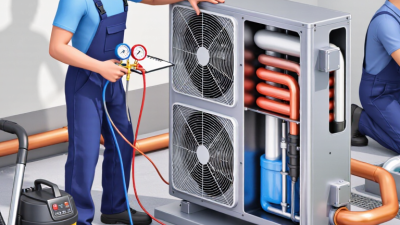
Verify Technicians Through ACCA Standards and Industry Credentials

How to Choose the Right HVAC Maintenance Services?

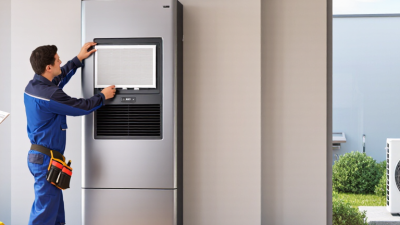
Verify technicians through ACCA standards and relevant industry credentials. ACCA procedures emphasize documented maintenance, correct airflow, refrigerant handling, and safe system testing. Ask whether the technician follows these practices, not merely whether they mention them. A certificate is useful, but it is not magic. Experience still matters. The U.S. Bureau of Labor Statistics projects 9% employment growth for heating, air-conditioning, and refrigeration mechanics from 2023 to 2033. That growth increases the need for careful credential checks.

Request proof of current training, insurance, and refrigerant-handling certification. Then ask for a written service report. It should record temperature readings, electrical measurements, filter condition, airflow concerns, and recommended repairs. Industry guidance from the U.S. Department of Energy connects regular maintenance with better equipment performance and longer operating life. Still, promised savings should be treated carefully. A technician should explain the evidence behind each recommendation, rather than guarantee a fixed percentage.

Tips: Check the credential number with the issuing organization. Ask who will perform the work. Confirm whether the technician tests before replacing parts. Watch for vague estimates or pressure to approve expensive repairs immediately. A reliable professional can explain a failed capacitor beside the outdoor unit, using plain language and measured results. I would also keep the report and compare readings over time; one visit rarely tells the whole story.

How to Choose the Right HVAC Maintenance Services? – Verify Technicians Through ACCA Standards and Industry Credentials

Evaluation Dimension What to Verify Relevant Standard or Credential Acceptable Evidence Suggested Importance
Technician licensing Confirm that technicians meet the licensing or registration requirements applicable to the service location. State, provincial, or local HVAC licensing rules Current license number, expiration date, issuing authority, and scope of work Very High
Refrigerant handling Verify that anyone who handles regulated refrigerants has the legally required certification. Applicable refrigerant-handling regulations; in the United States, EPA Section 608 requirements Credential type, certificate number, technician name, and verification source Very High
Load calculation Ask whether equipment recommendations are based on a documented heating and cooling load calculation rather than floor area alone. ACCA Manual J residential load calculation methodology, where applicable Written calculation showing building envelope, orientation, insulation, windows, occupancy, and design conditions Very High
Equipment selection Check that selected equipment capacity, airflow, efficiency, and operating conditions match the calculated building requirements. ACCA Manual S equipment-selection principles, where applicable Selection report listing capacity at design conditions, efficiency ratings, and approved operating limits High
Ductwork and airflow Determine whether duct sizing, balancing, insulation, and leakage control are included in the maintenance or improvement plan. ACCA Manual D duct design methodology, where applicable Duct layout, airflow readings, static-pressure measurements, and balancing report High
Quality installation and commissioning Confirm that the service includes measured start-up checks instead of visual inspection alone. ACCA quality-installation practices and manufacturer installation requirements Commissioning checklist covering temperature split, airflow, refrigerant circuit readings, electrical values, and controls Very High
Preventive maintenance scope Compare whether the plan covers filters, coils, drains, electrical connections, motors, controls, safety devices, and operating measurements. Manufacturer service instructions and applicable safety codes Itemized checklist showing task frequency, inspection results, measured values, and corrective actions High
Safety and code compliance Check procedures for electrical isolation, combustion safety, condensate management, ventilation, and safe refrigerant recovery. Applicable mechanical, electrical, fuel-gas, and occupational-safety codes Safety checklist, documented test results, permits when required, and corrective-action records Very High
Insurance and liability protection Verify that the service provider carries appropriate coverage for property damage, workplace injuries, and vehicle-related risks. Coverage requirements applicable to the jurisdiction and contract Current certificate of insurance with policy dates and coverage types High
Service documentation Require clear records that allow future technicians to understand system condition, repairs, measurements, and recommended follow-up. Documented maintenance and commissioning best practices Date-stamped service report with equipment identification, readings, photos, replaced parts, and next-service date Medium

Note: Licensing, refrigerant certification, permits, and code requirements vary by location. Verify credentials with the relevant licensing or regulatory authority before approving work.

Compare Maintenance Plans With ASHRAE Standard 180 Requirements

Choosing HVAC maintenance services requires more than comparing visit counts. Compare each plan against ASHRAE Standard 180, which defines minimum inspection and maintenance practices for commercial HVAC systems. The standard organizes tasks by equipment type, operating conditions, and risk. A credible provider should show a task matrix, not just promise “regular service.” Ask whether technicians inspect filters, belts, coils, drains, dampers, controls, and safety devices. Request sample service records.

Energy use makes this review practical. The U.S. Energy Information Administration’s 2018 Commercial Buildings Energy Consumption Survey reported that space heating used 32% of commercial building energy. Cooling used another 13%. Poor maintenance can make those loads more expensive. A strong plan records airflow, temperature differences, refrigerant conditions, electrical readings, and control faults. It should also identify abnormal trends before a tenant notices a warm office or a flooded mechanical room.

Experience matters here. I would compare actual technician notes with the Standard 180 task frequency, then check response times and escalation procedures. Cheap plans often look efficient. They may omit detailed measurements. That is a warning sign. Still, Standard 180 is a baseline, not a guarantee of perfect performance. Local climate, occupancy, equipment age, and indoor-air requirements may justify more frequent work. The honest question is simple: does the plan prove what was checked, when it was checked, and why the next interval is appropriate?

Confirm Filter Service Every 1–3 Months and Seasonal Tune-Ups

Choosing HVAC maintenance services starts with a clear filter schedule. ENERGY STAR recommends checking filters monthly and replacing them every three months. Homes with pets, renovations, or allergy concerns may need monthly replacement. A clogged filter can restrict airflow, strain the blower, and reduce comfort.

The U.S. Department of Energy reports that heating and cooling use about 48% of a typical American home’s energy. Small airflow problems can therefore become expensive. During a service visit, ask the technician to measure airflow, inspect the filter rack, and check for uneven room temperatures. A filter should fit tightly, without visible gaps.

Seasonal tune-ups deserve equal attention. Schedule cooling maintenance before hot weather and heating maintenance before winter. The technician should inspect electrical connections, refrigerant performance, drainage, belts, and safety controls. ENERGY STAR identifies routine professional maintenance as part of efficient HVAC operation. However, a tune-up is not a guarantee of lower bills. Equipment age, duct leakage, insulation, and thermostat habits also matter.

The one-to-three-month rule is useful, but not perfect. A filter can look clean while airflow remains weak. Ask for measured readings, not vague assurances. Keep invoices, filter sizes, and service dates in one folder. That simple record makes future decisions more reliable.

Evaluate Providers Using Airflow, Refrigerant, Safety, and Energy Data

How to Choose the Right HVAC Maintenance Services?

Evaluate Providers Using Airflow, Refrigerant, Safety, and Energy Data

Choosing an HVAC maintenance provider requires more than checking hourly rates. Ask for measurable inspection results. A qualified technician should test airflow at supply vents, filters, coils, and return grilles. Weak airflow may signal blocked ducts, a failing blower, or poor system balance. Numbers make vague claims easier to challenge.

Refrigerant checks also require care. Technicians should record pressure, temperature, and evidence of leakage before recommending any adjustment. Refrigerant is not a simple refill item. A reliable provider explains the cause, documents the work, and follows local handling requirements. Request calibrated instruments and clear service records. Keep the paperwork.

Safety data deserves equal attention. Ask whether the visit includes electrical connections, combustion areas, drainage, and carbon monoxide testing where applicable. The technician should identify damaged wiring, unusual heat, and unsafe exhaust conditions. In my experience, small warning signs are often dismissed during busy seasons. That is a mistake.

Energy performance can reveal longer-term value. Compare operating readings, thermostat behavior, runtime, and seasonal consumption. A sudden rise in energy use may indicate dirty coils, duct leakage, or incorrect controls. However, one visit cannot explain every increase. Weather and building occupancy matter too. I once trusted a neat checklist that missed a partially blocked return grille. Good maintenance needs data, practical experience, and the humility to question incomplete results.