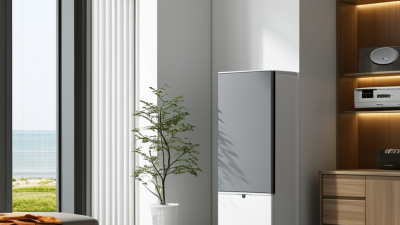
Top Types of Split Heating and Cooling Systems

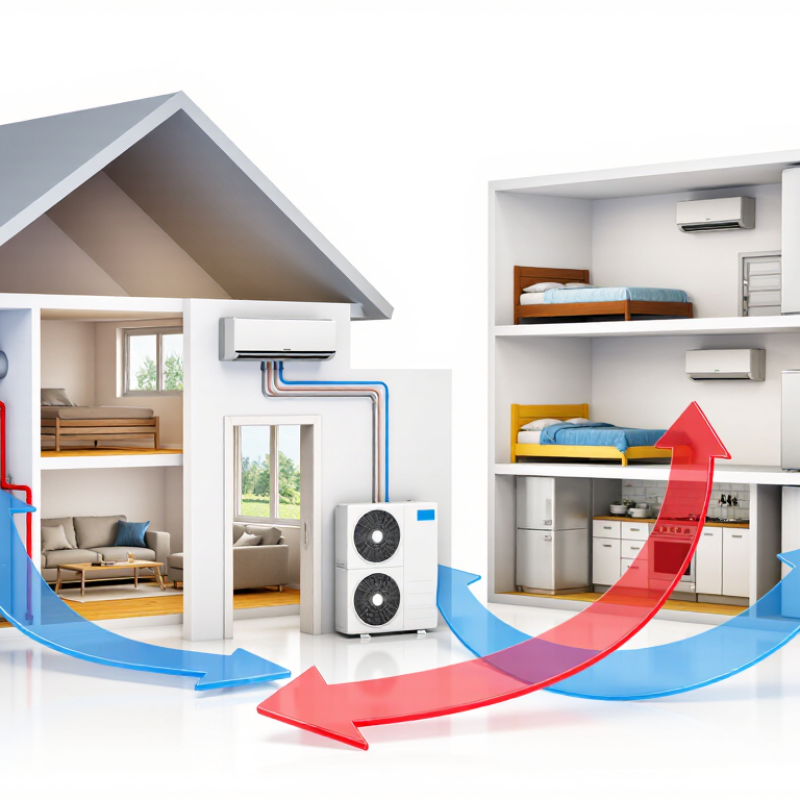
Split heating and cooling systems pair indoor equipment with an outdoor unit, but their designs vary widely. The right choice depends on the home, climate, insulation, and existing ductwork—not just a product label. A compact ductless head above a living-room doorway solves a different problem than a central air handler serving every room.

HVAC educator and technician Bryan Orr often stresses matching equipment to the building. Paraphrased, his practical advice is: “Choose the system that fits the home’s actual needs, not the one with the longest feature list.” That distinction matters. An oversized unit may cycle frequently, while a poorly placed indoor head can leave a bedroom uncomfortable. A licensed professional can assess sizing, airflow, and installation conditions before recommending equipment.

This guide compares the main types of split heating and cooling systems, including conventional ducted systems, ductless mini-splits, multi-zone setups, and heat pumps. It explains where each design tends to work well, what trade-offs homeowners should consider, and which details deserve closer inspection. The labels can blur. Some systems combine features, and real homes rarely match a perfect diagram. Use these descriptions as a starting point, then weigh them against your rooms, comfort priorities, and budget.
Top Types of Split Heating and Cooling Systems

Ductless Mini-Split Systems

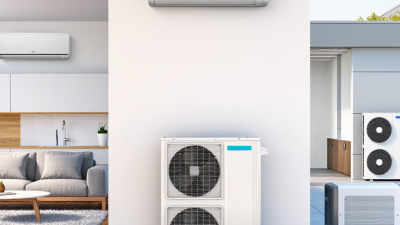
Ductless mini-split systems provide heating and cooling without a network of ducts. A typical setup connects an outdoor unit to one or more indoor air handlers. Refrigerant carries heat between them, so the system can warm or cool a room as needed. Each indoor unit usually has its own controls. That can help when bedrooms and living areas have different comfort needs.

Placement matters. An indoor unit needs clear airflow, while the outdoor unit needs stable support and room around its coil. A qualified installer can assess room size, insulation, window exposure, and local climate before recommending capacity. An oversized system may cycle too often; an undersized one may struggle during extreme weather. Details count. In colder regions, check the model’s documented heating performance at low temperatures rather than relying on a broad efficiency claim.

Mini-splits can suit additions, converted garages, or homes where duct installation would be difficult. They still need routine care: clean or replace filters as directed, keep the outdoor coil free of leaves, and arrange service if performance changes. It is easy to focus on the equipment and overlook placement or maintenance. That judgment can be imperfect, especially in an older home with uneven insulation, so a careful site assessment is worthwhile.

Ducted Split Systems

A ducted split system uses an outdoor unit and an indoor air handler connected to a network of ducts. Conditioned air travels through ceiling or floor vents, keeping equipment out of most living spaces. This can create a tidy appearance and even temperatures, when the system is designed well. Quiet, too.

Performance depends on more than the equipment. A contractor should calculate the home’s heating and cooling needs, inspect insulation, and size the ducts for suitable airflow. Poorly sealed ducts can waste energy in an attic or crawlspace. That detail is easy to overlook. Ask where the return-air grille and filter will sit; a blocked or hard-to-reach filter can reduce airflow. Zoning may help rooms with different sun exposure, but dampers and controls need careful setup. Not every home needs it. Regular filter checks and professional maintenance can help the system run reliably, though maintenance cannot fix undersized ducts or poor installation.

Top Types of Split Heating and Cooling Systems - Ducted Split Systems

System Type Typical Configuration Air Distribution Best Suited For Main Advantages Key Considerations
Standard Single-Zone Ducted Split One outdoor unit connected to one concealed indoor air handler. Conditioned air travels through ducts to multiple supply outlets, usually controlled as one zone. Homes or small commercial spaces needing consistent temperature across a connected area. Conceals most equipment and provides a central, whole-area heating and cooling solution. Rooms may have different heating or cooling needs; balancing and suitable duct design are important.
Inverter Ducted Split A ducted indoor unit paired with an outdoor unit that varies compressor speed. Uses conventional ductwork; system output adjusts to changing heating or cooling demand. Spaces with changing loads or occupants seeking steadier operation and temperature control. Variable-capacity operation can reduce temperature swings and avoid frequent full-capacity starts. Efficiency depends on correct sizing, installation, controls, and duct performance.
Multi-Zone Ducted Split One outdoor unit serves a ducted indoor unit with zone dampers and compatible controls. Dampers regulate airflow to separate areas or rooms according to their zone settings. Homes with distinct occupancy patterns or areas that need different temperature schedules. Allows separate zone control while using concealed ducted air distribution. Requires compatible zoning controls and careful airflow design; not every system supports every zoning arrangement.
Low-Profile (Slim-Duct) System A compact, concealed indoor unit connected to an outdoor unit. Shorter or space-conscious duct runs serve one or more outlets, depending on the design. Renovations and buildings with limited ceiling or service-space depth. Can fit where a larger air handler or extensive ductwork is impractical. Available static pressure and airflow capacity vary by model; duct lengths and outlet count must be designed accordingly.
High-Static Ducted System A ducted indoor unit designed to deliver air against greater duct resistance. Can serve longer duct runs or more complex layouts when designed within the unit’s rated limits. Larger buildings or layouts with longer, more involved duct routes. Offers greater flexibility for demanding duct configurations than many low-static designs. Higher fan pressure does not replace proper duct sizing; fan energy, noise, and balancing should be considered.

System labels and performance vary by manufacturer and region. Correct equipment sizing, duct design, insulation, airflow balancing, and professional installation are essential for comfort and efficiency.

Single-Zone Split Systems

Single-Zone Split Systems

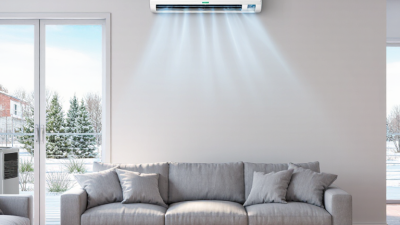
A single-zone split system connects one outdoor unit to one indoor air handler. It serves a single room or open-plan area, making it useful when ductwork is absent or uneven temperatures persist. A wall-mounted unit can quietly warm a chilly office or cool a sunlit bedroom. Its own thermostat gives that space separate control. Simple, but not universal.

ENERGY STAR reports that certified ductless mini-split heat pumps can use up to 60% less energy for heating than standard electric resistance systems. That comparison matters: savings depend on the equipment being replaced, local weather, installation quality, and operating habits. A single-zone system will not solve temperature problems behind closed doors in several distant rooms. I have seen sizing treated as an afterthought; that can lead to short cycling, drafts, or disappointing comfort. Ask a qualified HVAC professional to assess the room’s heat loss and gain before selecting capacity.

Tips: Keep the indoor unit’s air path clear, clean its filter as directed, and avoid placing it above curtains or bulky furniture. Check the outdoor unit after heavy leaf fall or snowfall. A little routine care helps. Don’t guess the size.

Multi-Zone Split Systems

Multi-zone split systems use one outdoor unit to serve several indoor units, often in separate rooms or living areas. Each indoor unit can have its own thermostat, so a sunny upstairs bedroom may need cooling while a shaded office needs less. That flexibility can reduce the need to heat or cool unused spaces. Quiet wall-mounted units are common, though ceiling or floor-mounted options may suit particular layouts.

A good design starts with room-by-room heating and cooling calculations, not just the home’s total floor area. Window size, insulation, ceiling height, and local climate all affect demand. The outdoor unit has a limit, too: running several indoor units at once does not mean each can always deliver its maximum output. Line length, indoor-unit placement, drainage, and electrical capacity need careful planning and commissioning. Small details matter.

Multi-zone layouts can be costly, and a poorly sized system may cycle often or struggle during extreme weather. It is tempting to assume more zones always mean better comfort. That assumption can be wrong. A rarely used room may not justify its own unit, and filters still need regular cleaning. Ask an experienced installer to explain the proposed capacity, zoning plan, and maintenance needs in plain language.

Top Types of Split Heating and Cooling Systems: Multi-Zone Split Systems

A multi-zone split system connects one outdoor unit to multiple indoor units, allowing separate areas to be conditioned independently. These examples show the number of indoor units—and corresponding zones—in common configurations.

Illustrative configurations, not market-survey data. In these examples, each indoor unit serves one zone. The number of indoor units supported depends on the system’s design and capacity.

Heat Pump and Cooling-Only Split Systems

Split systems use an indoor unit and an outdoor unit to condition separate rooms or zones. A heat pump split system can cool in summer and heat in winter by moving heat between indoors and outdoors. In cooling mode, it also removes some indoor moisture, which can make a humid room feel more comfortable. Quiet, but not silent.

A cooling-only split system works similarly during warm weather, but it does not provide heating. Homes with this setup need another heat source, such as a furnace or electric baseboard heaters. That distinction matters when comparing installation costs: a lower equipment price may not reflect the cost of heating the space through winter.

Performance depends on correct sizing, installation, and regular care. An oversized unit may cycle on and off too often, while an undersized one can struggle during extreme weather. Keep filters clean, and make sure the outdoor coil has room for airflow. Heat pump output can also decrease in very cold conditions, depending on the system and climate. The terminology can be confusing, and a heat pump is not automatically the best choice for every home. A qualified contractor can assess insulation, room layout, and local temperatures before recommending a system.